


Introduction
Hey there, Australian small business owners, importers, and e - commerce sellers! Container shipping to Australia can be a real game - changer for your business. But in 2026, there are some pitfalls that could cost you time, money, and a whole lot of stress. I've been in the thick of cross - border logistics between China and Australia for years, dealing with all sorts of situations from the docks of Shanghai to the ports of Sydney. Let me share some common mistakes and how you can steer clear of them.
I. Customs Declaration Errors
In 2026, Australian Border Force (ABF) has tightened its rules on customs declarations. I remember a client back in 2024 who was an apparel importer based in Melbourne. They were shipping a large container of Chinese - made clothes. Instead of accurately listing the materials and the cost of production, they used general terms like "fabric goods."
The problem is that proper customs valuation is crucial. ABF uses the declared value to calculate duties and taxes. When they found the inaccurate declaration, the container was held up at Port Botany for over 14 days. The importer had to pay additional fees for the storage at the port and face late delivery penalties from their local customers.
To avoid this, make sure to use the correct HS codes for your goods. For example, if you're importing 3C electronics, look up the specific HS code that matches the exact model and features. Provide detailed descriptions of the goods, including quantity, value, origin, and materials. And don't forget to declare all samples, gifts, or promotional items included in the shipment because they might still be subject to duty and taxation.
II. Ignoring Biosecurity Requirements
Australia has some of the strictest biosecurity laws in the world, and in 2026, they've become even more stringent. A home goods seller in Brisbane once shipped a container filled with plant - based products like wooden furniture and bamboo baskets. They didn't realize that some of the wood had traces of pests, and the bamboo hadn't been properly treated.
The Department of Agriculture, Fisheries and Forestry (DAFF) intercepted the container at the Port of Melbourne. The goods had to be either fumigated at a high cost or, in some cases, destroyed. This incident not only cost the seller a fortune but also damaged their reputation as they couldn't fulfill their orders on time.
Before shipping, check DAFF's official website for the latest biosecurity requirements. If your goods are made from wood, ensure they have the proper phytosanitary certificates. For food products, be aware that there are strict rules on ingredients, packaging, and labeling. And always clean your containers and pallets to remove any dirt, debris, or organic matter.
III. Incorrect Freight Forwarder Selection
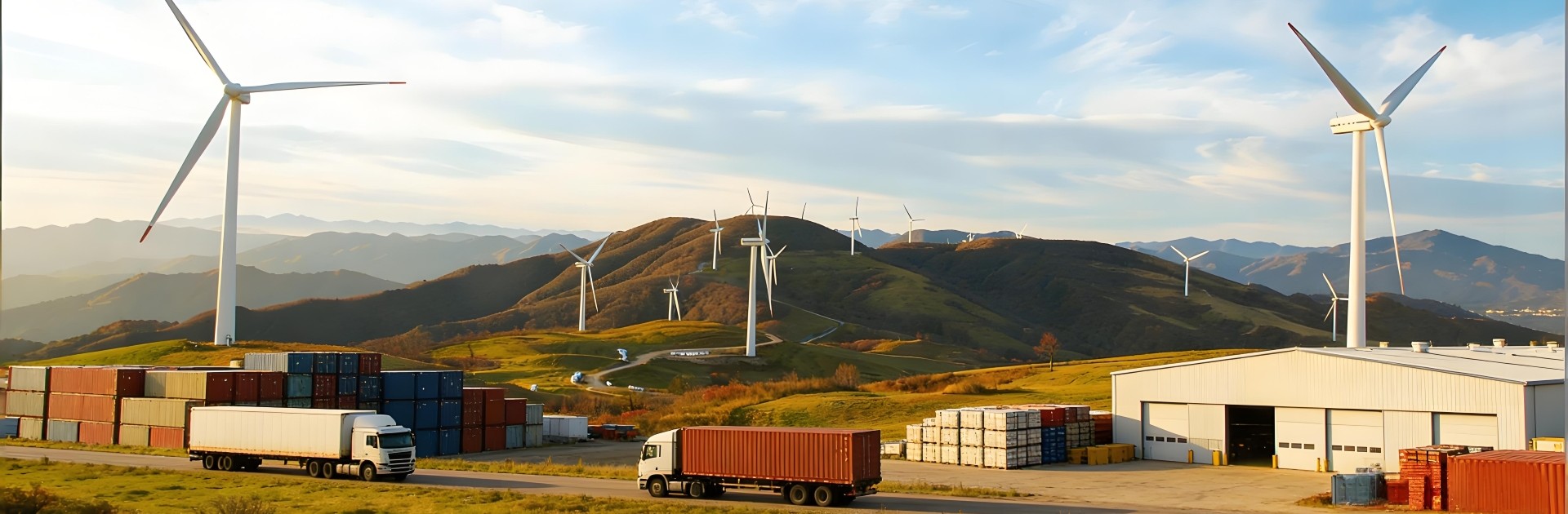
Choosing the wrong freight forwarder can be a disaster. I've seen many small business owners go for the cheapest option without doing proper research. A 3C electronics seller in Sydney once hired a little - known forwarder because of the low price. The forwarder promised a delivery time of 20 days, but due to their lack of experience and connections, the shipment was delayed by almost a month.
The forwarder had problems booking the right shipping lines and handling the documentation. The seller lost sales opportunities, and their customers were unhappy.
When selecting a freight forwarder, look for experience, especially in the China - Australia route. Check their reviews and ask for references. A reliable forwarder like [Oriental Star Shipping] can be a great choice. They have 13 years of experience in the cross - border logistics between China and Australia. They also offer services like free 180 - day storage, accurate shipping schedules, and professional customs clearance support. They'll help you choose the right shipping method based on your goods' nature, volume, and delivery time requirements. Their service network covers about 95% of Australia's deliverable postcode areas, including Sydney, Melbourne, and Brisbane.
IV. Improper Packaging and Labeling
Improper packaging and labeling can lead to damaged goods and delays. An apparel importer in Melbourne shipped a container of clothes without proper protection. During transit, the boxes got wet due to a leak in the container, and many clothes were ruined.
In addition, if the labels on the goods and containers are incorrect or unclear, it can cause problems at customs and during delivery. For example, if the destination address on the label is misspelled or incomplete, the shipment might be sent to the wrong place.
Use high - quality packaging materials that can withstand the rigors of long - distance shipping. If you're shipping fragile items, use extra padding and shock - absorbing materials. Make sure all labels are clear, accurate, and include necessary information such as the sender's and recipient's addresses, contact information, and a detailed description of the goods.
V. Not Planning for Transit Delays
Shipping to Australia from China is subject to various factors that can cause delays. Bad weather, port congestion, and labor strikes can all slow down your shipment. A trade factory in Brisbane once planned their production and sales based on a fixed delivery time but didn't account for possible delays.
When their container was delayed by a week due to a typhoon in the South China Sea, they couldn't meet their local market demands. This led to lost sales and a strain on their business relationships.
To avoid this, add a buffer time to your delivery schedules. Take into account the usual shipping times and also the potential for unforeseen delays. You can also stay in touch with your freight forwarder to get real - time updates on the shipping status and make adjustments to your business plans accordingly.
FAQ
What if I'm not sure about the HS code for my goods? Well, it can be a bit tricky, but you can start by looking at DAFF's and ABF's official websites. They have detailed guides on HS codes. You can also ask your freight forwarder. For instance, [Oriental Star Shipping] has a team of experts who can help you determine the correct HS code for your products so you don't run into any customs issues.Can I ship food products to Australia easily? Not really. Australia has very strict rules on food imports. You need to check the ingredients, packaging, and labeling requirements on DAFF's website. You'll likely need to provide detailed documentation about the food's origin, production process, and ingredients. It's best to work with a freight forwarder who has experience in handling food shipments, like [Oriental Star Shipping], which can guide you through the whole process and ensure everything is compliant.
What should I do if my shipment gets held up at customs? Don't panic. First, reach out to your freight forwarder immediately. They'll be able to find out what the problem is and help you resolve it. For example, if it's a customs declaration issue, they can assist you in providing the correct information. If it's a biosecurity concern, they can work with you to meet the necessary requirements. [Oriental Star Shipping] has a team that specializes in handling customs clearance exceptions and will keep you informed throughout the process.
How can I reduce the cost of shipping to Australia? One way is to choose the right shipping method based on your needs. If you're not in a hurry, ocean freight can be more cost - effective. You can also try to group your shipments together to get a better rate. And don't forget to take advantage of the free storage services offered by some freight forwarders, like the 180 - day free storage provided by [Oriental Star Shipping]. This allows you to optimize your shipping schedule and potentially reduce costs.
Are there any additional fees I should be aware of? Yes, there are several potential additional fees. You might face storage fees if your goods are held up at the port. There could also be biosecurity inspection fees if DAFF decides to inspect your shipment. And if there are any customs declaration errors, you'll probably have to pay fines. Always ask your freight forwarder for a detailed breakdown of all possible fees before shipping to avoid any surprises.