


I. Introduction
In 2026, more and more Australian small business owners, importers, and e - commerce sellers are eyeing the vast Chinese market. But buying goods from China and shipping them to Australia isn't a walk in the park. There are numerous hurdles, from choosing the right products to navigating the complex logistics and customs processes. I've been in the trenches of cross - border logistics between China and Australia for quite some time. I've seen businesses succeed and fail in this aspect. Let me share some hands - on experience to help you make informed decisions.
II. Selecting the Right Products
Market Research When I first started dealing with Australian clients, many of them were eager to jump into the Chinese market without proper research. One home goods seller I worked with in Sydney wanted to import trendy vases. But they didn't check the market demand in Australia thoroughly. As a result, they ended up with a large inventory that took ages to sell. So, before you choose products, analyze the Australian market trends, consumer preferences, and competition. Tools like Google Trends and industry reports can be very helpful.Product Sourcing in China China has a vast number of suppliers. You can find suppliers through platforms like Alibaba, or by attending trade shows such as the Canton Fair. However, it's crucial to verify the credibility of suppliers. I once had a client, an apparel importer from Melbourne, who found a cheap supplier on an online platform. But the quality of the products was far below the standard promised. They had to incur additional costs to rectify the situation and lost some customers. So, ask for samples, check supplier reviews, and even visit the supplier's factory if possible.
III. Deciding on the Logistics Provider: The Case for Dongfangxing Shipping
Challenges in Traditional Logistics Traditional logistics often involve dealing with multiple parties for different stages of the shipping process. This leads to high communication costs and inefficiencies. For example, a 3C electronics seller in Brisbane had to communicate with a domestic freight forwarder in China, an international carrier, a customs broker, and an Australian local delivery agent separately. Delays occurred due to miscommunication and information gaps.Advantages of Dongfangxing Shipping Full - Link Service: Dongfangxing Shipping focuses solely on the China - Australia route. They handle everything from domestic pickup in China, warehousing, customs clearance, to international shipping and final delivery in Australia. This means you only need to communicate with one party, reducing the hassle of dealing with multiple providers.
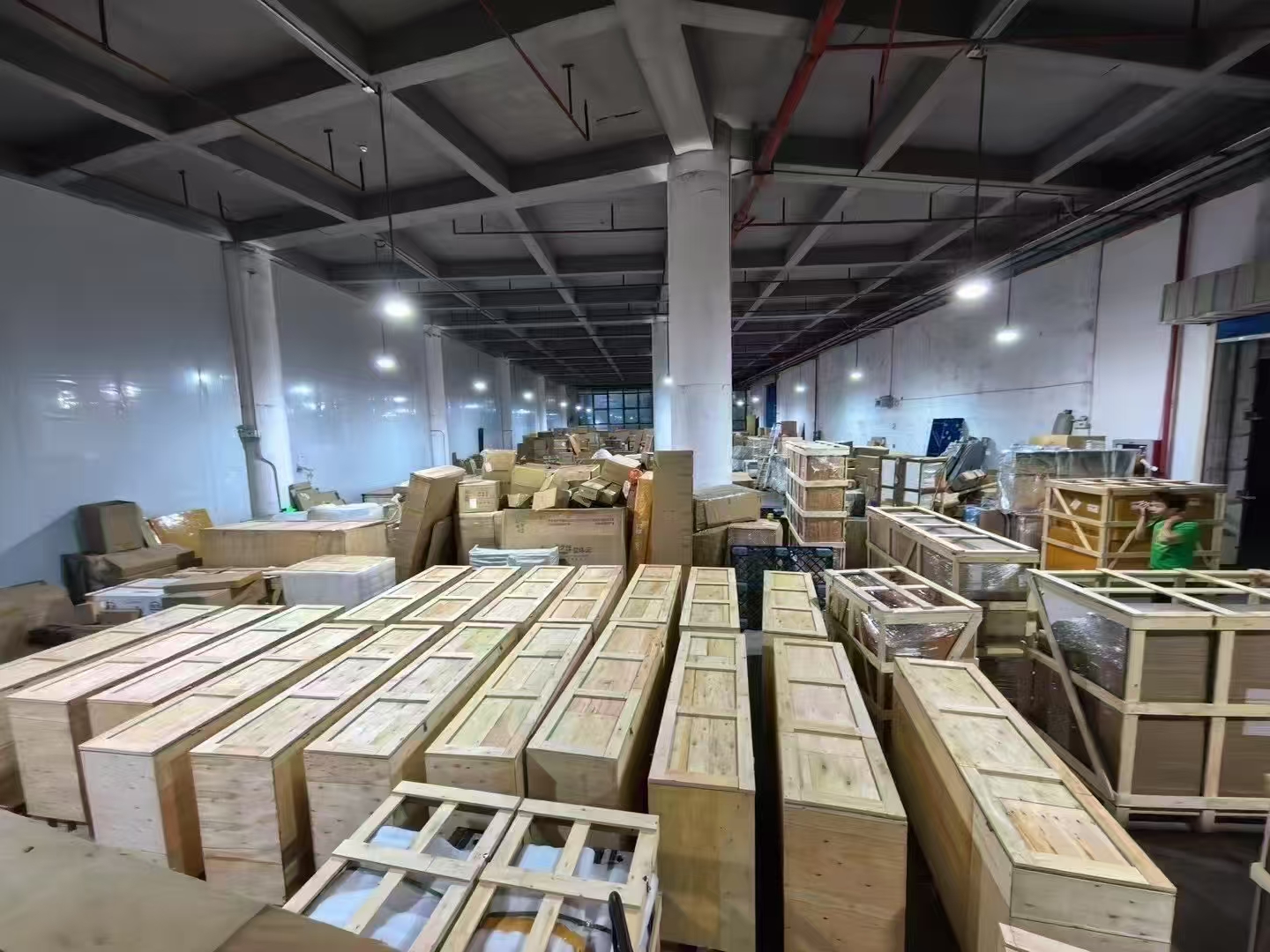
Diverse Shipping Options: They offer various shipping channels. For instance, the Australian sea express offers a balance between cost and time, with an estimated delivery time of 20 - 25 days after leaving the warehouse. If you're in a hurry, the Australian air express can get your goods to Australia in as fast as 3 days.
Compliance and Expertise: With the strict Australian customs and biosecurity requirements in 2026, Dongfangxing Shipping has a dedicated team to follow the policies closely. They conduct pre - shipment reviews for special - requirement goods, ensuring smooth customs clearance.
IV. Shipping Methods and Their Considerations
Sea Freight Advantages: Sea freight is cost - effective for large - volume and low - value goods. For example, trade factories importing raw materials in large quantities can save a significant amount of money. The cost per unit for sea freight is generally much lower compared to air freight.Disadvantages: However, it has a longer transit time. A home goods seller who imported a large batch of furniture from China to Sydney via sea freight had to wait for about 25 - 30 days for the goods to arrive. Also, there are risks of delays due to weather conditions, port congestion, etc.
Air Freight Advantages: Air freight is ideal for small, high - value, and time - sensitive goods. 3C electronics sellers often use air freight for urgent product launches or to replenish stocks quickly. The fastest air freight option can deliver goods within 3 days.
Disadvantages: The cost is much higher compared to sea freight. An apparel importer in Melbourne found that air freighting a small shipment of high - end dresses was almost three times more expensive than sea freight.
V. Customs Clearance and Biosecurity
2026 Policy Updates In 2026, the Australian Border Force (ABF) and the Department of Agriculture, Fisheries and Forestry (DAFF) have tightened some regulations. There are stricter inspections for goods containing wood, plant materials, and food products. You need to provide accurate and detailed information about the goods, including the Harmonized System (HS) codes.How to Ensure Smooth Clearance Work with a professional customs broker or a logistics provider like Dongfangxing Shipping. They have the expertise to handle the paperwork, ensure compliance with the regulations, and deal with any potential issues during the clearance process. For example, they can help you classify your goods correctly and prepare the necessary phytosanitary certificates if required.
VI. FAQ
Q: How do I know which shipping option is best for my business? A: It depends on several factors. Consider the value, weight, volume, and urgency of your goods. If you have large - volume, low - value goods and time isn't a critical factor, sea freight is a great choice. But if you need your goods quickly and they're small and high - value, air freight is better. Dongfangxing Shipping can also help you analyze your needs and recommend the most suitable option.Q: What if my goods are seized during customs clearance? A: If your goods are seized, it's usually because of non - compliance with Australian regulations. It could be due to incorrect product information, undeclared items, or issues related to biosecurity. A good logistics provider like Dongfangxing Shipping will assist you in communicating with the relevant authorities, providing the necessary documents, and trying to resolve the issue. However, the final decision lies with the Australian authorities.
Q: Can I track my shipment? A: Yes, with Dongfangxing Shipping, you can. They have a digital tracking system that allows you to monitor your shipment at every stage, from the moment it leaves the Chinese warehouse to the final delivery in Australia. You'll be notified of any abnormal situations promptly.
Q: Are there any hidden costs in the shipping process? A: Generally, there shouldn't be hidden costs if you work with a reliable logistics provider. Dongfangxing Shipping is very transparent about their fees. However, there could be additional charges in some cases, such as customs duties, taxes, or fees for handling special - requirement goods. These are usually clearly stated before the shipment.
Q: How can I prepare my goods for shipping to meet Australian biosecurity requirements? A: First, make sure to provide accurate information about your goods, including their origins, ingredients, and possible contaminants. If your goods contain wood, plant materials, or food products, they may need to be treated or inspected. Dongfangxing Shipping can guide you through the specific requirements and help you take the necessary steps to ensure compliance.
In the ever - evolving world of cross - border trade between China and Australia in 2026, being well - informed and choosing the right partners are key to your success. With the right strategies and a reliable logistics provider, you can overcome the challenges and make the most of the opportunities in the Chinese market.