


1. Introduction
Hey there, Australian small business owners, importers, and e - commerce sellers! I've been in the cross - border logistics game for quite a while, dealing with the ins and outs of shipping between China and Australia. In 2026, there are some significant changes and things to be aware of when it comes to sea freight from China to Hobart. I remember a client back in 2025 who was importing home goods from China. They didn't know about the new regulations at that time, and it caused a lot of delays and extra costs. So, let's dive into what you should really know.
2. 2026 Policy and Regulatory Updates
The Australian Border Force (ABF) and the Department of Agriculture, Fisheries and Forestry (DAFF) have tightened up some regulations in 2026. For instance, the biosecurity requirements are more stringent. Any goods that might carry pests or diseases, like wooden furniture or plant - based products, need to be thoroughly inspected. I had a client who was shipping a batch of bamboo handicrafts to Hobart. They didn't properly declare the bamboo material, and the shipment was held up at the Port of Melbourne for almost two weeks.
Another change is in the customs valuation. The ABF is now more strict about the declared value of the goods. You can't just under - declare to save on duties. If they find out, you'll face hefty fines. So, make sure you accurately declare the value of your goods.
3. Shipping Routes and Transit Times
When it comes to sea freight from China to Hobart, there are a few common routes. Most ships will first stop at major Australian ports like Port Botany or the Port of Melbourne and then make their way to Hobart.
The transit time can vary depending on the shipping line and the type of service you choose. For a regular sea freight service, it usually takes about 28 - 32 days from the departure port in China to Hobart. But if you opt for an expedited service, it might be reduced to around 20 - 24 days. However, these are just estimates. Weather conditions, port congestion, and other unforeseen circumstances can cause delays. I once had a shipment of 3C electronics that was supposed to arrive in 25 days but got delayed by a week due to a typhoon in the South China Sea.
4. Cost Breakdown (40% of the article length)
Understanding the cost of sea freight from China to Hobart is crucial for your business budget. There are several components to consider.
4.1 Freight Charges
The base freight charge depends on the volume or weight of your goods, whichever is higher (usually calculated in cubic meters or tons). For example, if you're shipping a small container (20 - foot equivalent unit), the freight charge can range from $1500 - $2200 in 2026. A 40 - foot container might cost between $2800 - $3500. These prices are subject to change based on market demand and shipping line policies.
4.2 Terminal Handling Charges
Both at the port of departure in China and the port of arrival in Hobart, there are terminal handling charges. At Chinese ports, these charges can be around $300 - $500 for a 20 - foot container and $500 - $700 for a 40 - foot container. In Hobart, the charges are similar, but they might be adjusted slightly depending on the port's infrastructure and handling capacity.
4.3 Customs Duties and Taxes
The Australian government imposes customs duties and Goods and Services Tax (GST) on imported goods. The duty rate depends on the Harmonized System (HS) code of your goods. For example, apparel usually has a duty rate of around 5% - 10%, while some 3C electronics might have a lower duty rate or even be duty - free in certain cases. The GST is set at 10% of the total value of the goods, including the freight and insurance cost.
4.4 Documentation and Brokerage Fees
If you use a customs broker (which is highly recommended), there will be brokerage fees. These can range from $200 - $400 per shipment, depending on the complexity of the documentation and the services provided by the broker. There are also costs associated with preparing the necessary documentation, like the bill of lading, commercial invoice, and packing list.
Let's take an example of a home goods seller in Hobart who is importing a 20 - foot container of furniture from China. The freight charge is $1800, terminal handling charges at both ports add up to about $600, the customs duty is 8% of the goods' value (let's say the goods are worth $10,000, so the duty is $800), the GST is $1000 (10% of the total value including freight and duty), and the brokerage fee is $300. The total cost for this shipment would be $1800 + $600+ $800 + $1000 + $300 = $4500.
5. Choosing the Right Shipping Partner
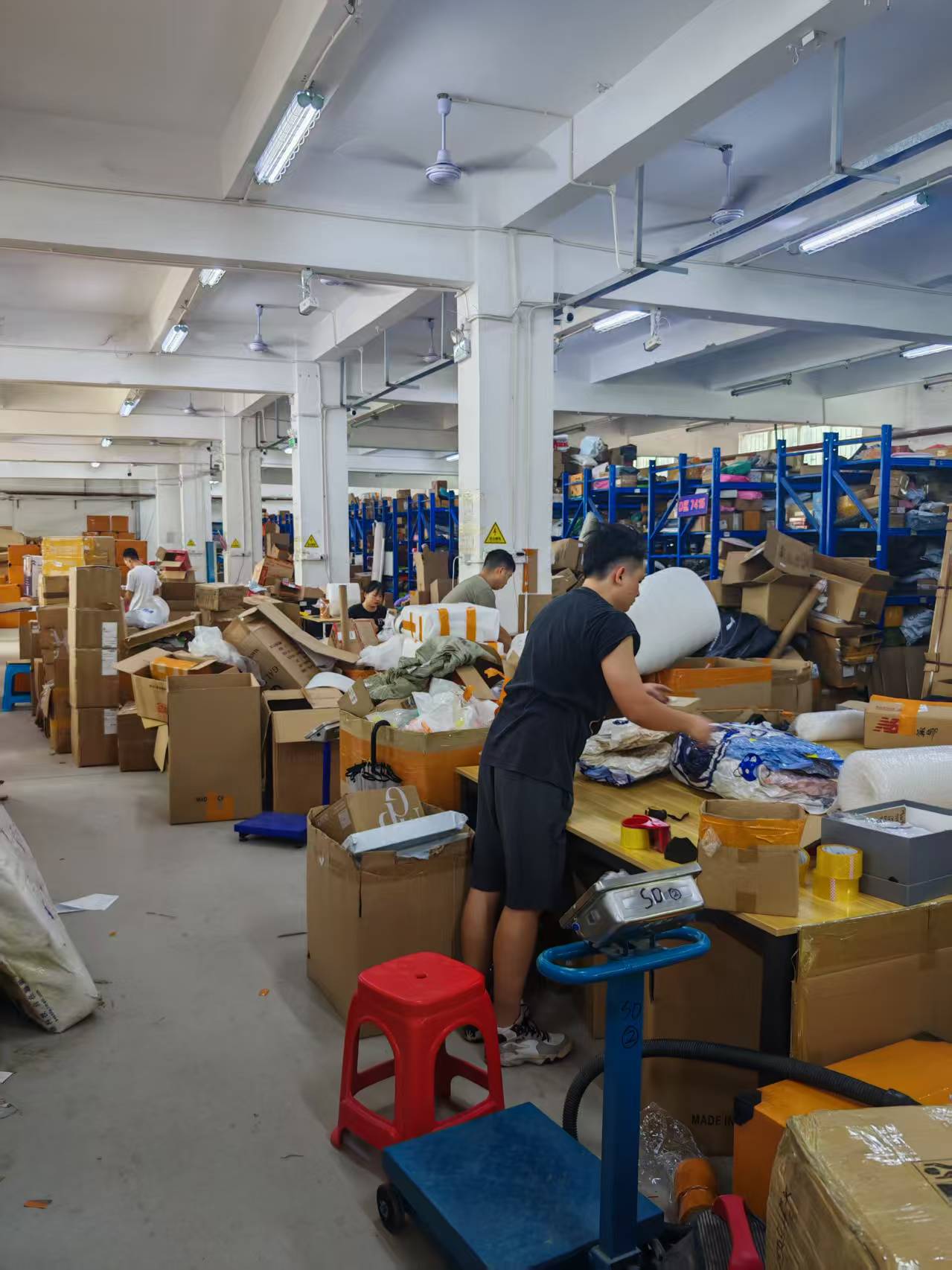
Selecting the right shipping partner is key to a smooth sea - freight process. You want a company that has experience in the China - Australia route, especially to Hobart.
东方星集运 is a great option. They've been around since 2024, and their core team has 13 years of experience in the logistics industry. They focus solely on the Australia route, which means they can offer a more in - depth and customized service. They provide long - term free storage (up to 180 days), which is perfect if you want to consolidate your goods before shipping. They also have excellent customer service, with a digital tracking system that allows you to monitor your shipment in real - time.
However, every shipping partner has its limitations. Some may have higher shipping costs, while others might not be as flexible with delivery schedules. It's important to do your research and compare different companies based on your specific needs.
6. FAQ
Question 1: How can I ensure my goods pass the biosecurity inspection in Hobart in 2026? Answer: You need to accurately declare all your goods, especially those that fall under the biosecurity - sensitive category. Make sure they are clean and free from pests and diseases. For example, if you're shipping wooden items, they should be properly treated. It's also a good idea to work with a professional customs broker who knows the latest biosecurity requirements.
Question 2: What if my shipment is delayed at the port? Answer: Delays can happen due to various reasons like bad weather, port congestion, or customs inspections. If your shipment is delayed, first check the shipping line's or your logistics provider's tracking system for updates. Most reliable companies, like 东方星集运, will proactively inform you of any delays and do their best to resolve the issue.
Question 3: Can I track my shipment from China to Hobart? Answer: Yes, most shipping companies and logistics providers offer tracking services. For example, 东方星集运 has a digital tracking system. You can usually track your shipment from the time it leaves the warehouse in China until it arrives at the destination in Hobart. You'll need the bill of lading number or a tracking reference provided by the company.
Question 4: Are there any restrictions on the types of goods I can ship to Hobart? Answer: Yes, there are restrictions. Australia has strict rules on importing food, drugs, weapons, and certain types of plants and animal products. You must comply with the Australian government's regulations and accurately declare your goods. If you're unsure about a particular item, it's best to consult with a customs broker or your logistics provider.
Question 5: How do I choose between a 20 - foot and a 40 - foot container? Answer: It depends on the volume of your goods. If you have a small - to - medium - sized shipment, a 20 - foot container might be sufficient. But if you have a large volume of goods, a 40 - foot container will be more cost - effective in the long run. Also, consider the storage space at your destination in Hobart. Make sure you can handle the size of the container when it arrives.
In summary, shipping goods from China to Hobart in 2026 requires a good understanding of the new policies, transit times, costs, and how to choose the right shipping partner. By keeping these points in mind, you can ensure a smoother and more cost - effective shipping process. Do your due diligence and always stay updated on the latest regulations!