


I. Introduction
Let me tell you, I've been in the cross - border logistics game for quite some time, and every year brings its share of surprises. As we edge closer to 2026, there's a lot of buzz among Australian small business owners, importers, and e - commerce sellers about shipping household goods from China to Australia. I remember a few years back when new regulations suddenly popped up, and many clients were left scrambling. So, it's crucial to understand what might change and how to navigate these waters.
The year 2026 is set to bring some significant shifts, mainly due to the new regulations from the Australian Border Force (ABF) and the Department of Agriculture, Fisheries and Forestry (DAFF). These changes will impact every step of the shipping process, from packing to final delivery.
II. Current Shipping Landscape
Currently, when shipping household goods to Australia, there are a few well - established channels. The most common ones are sea freight and air freight.
1. Sea Freight
This is the go - to option for larger and heavier household items. It's cost - effective, especially for bulk shipments. For example, if you're an importer bringing in a large quantity of furniture, sea freight is your best bet. There are two main types: full container load (FCL) and less than container load (LCL). FCL is ideal for larger shipments that can fill an entire container, while LCL is for smaller quantities. One of my clients, a home goods seller in Melbourne, used FCL to ship a large order of sofas from China. The process was straightforward, and the cost per item was quite reasonable. However, sea freight has its drawbacks. It's slow, with an average transit time of 25 - 30 days, and there's always a risk of delays due to bad weather or port congestion.
2. Air Freight
Air freight is the opposite of sea freight in terms of speed. It's incredibly fast, with some shipments arriving in as little as 3 days. This makes it perfect for high - value, time - sensitive items like electronics or high - end home decor. But it comes at a price. It's much more expensive than sea freight. I once had a client in Sydney who needed to restock a popular line of smart home devices quickly. He chose air freight, and the products were on the shelves within a week. However, the high cost cut into his profit margins significantly.
III. 2026 Policy Changes and Their Impact (Deep - Dive, 40% of the Article)
In 2026, the ABF and DAFF are implementing stricter regulations to protect Australia's environment and biosecurity. This is going to have a huge impact on the shipping of household goods.
1. Biosecurity Checks
One of the biggest changes will be in biosecurity checks. Australia is very protective of its unique ecosystem, and the new regulations will be even more stringent. When shipping wooden furniture, for instance, it will need to meet higher standards for treatment to prevent the introduction of pests like termites. I expect that there will be a detailed inspection process at both the origin and destination ports. This means that shippers will need to provide more documentation to prove that the goods meet the biosecurity requirements. For example, a household goods seller planning to import a batch of wooden cabinets from China in 2026 will have to obtain a phytosanitary certificate, which wasn't always mandatory before. Failure to comply could result in the goods being held at the port, fined, or even destroyed.
2. Customs Valuation
The ABF is also tightening up on customs valuation. This means that accurate and detailed declarations of the value of the goods will be even more crucial. Currently, some shippers try to undervalue their goods to pay less in tariffs. But in 2026, the ABF will have better tools to detect such discrepancies. For example, if an importer is shipping a set of high - end dinnerware and declares a value that is significantly lower than the market price, they're likely to face an investigation. This could lead to penalties and additional duties. So, importers will need to ensure that they're providing honest and accurate valuation information.
3. Documentation Requirements
Documentation requirements are set to become more complex in 2026. Alongside the standard bill of lading, commercial invoice, and packing list, shippers may need to provide additional documents related to biosecurity and product origin. For example, if shipping food - related household items, such as kitchen utensils made from bamboo or cutting boards, shippers may need to provide certificates showing that the materials are safe and meet Australian food contact standards. This will require more time and effort in the pre - shipping phase.
IV. Choosing the Right Shipping Channel in 2026
Given the upcoming changes, it's more important than ever to choose the right shipping channel.
1. Consider the Nature of the Goods
For household goods that are not time - sensitive and bulky, sea freight will still be a good option. However, due to the stricter biosecurity checks, it's essential to ensure that the goods are properly packed and treated. On the other hand, if you're shipping high - value, small - sized items that need to arrive quickly, air freight might be the better choice.
2. Evaluate the Cost
Cost is always a major factor. While air freight is faster, it's more expensive. Sea freight is cheaper but slower. Shippers need to balance the cost of shipping with the value of the goods and the potential cost of delays. For example, if you're shipping a high - end antique vase, the cost of a potential delay could be much higher than the extra cost of air freight.
3. Factor in the New Regulations
The new regulations in 2026 will affect both shipping channels. With sea freight, the longer transit time means that there's more time for potential issues to arise during biosecurity inspections. Air freight, while faster, may also face stricter checks due to the overall increase in regulations. Shippers need to be prepared to meet all the new requirements for both channels.
V. The Role of a Reliable Logistics Partner
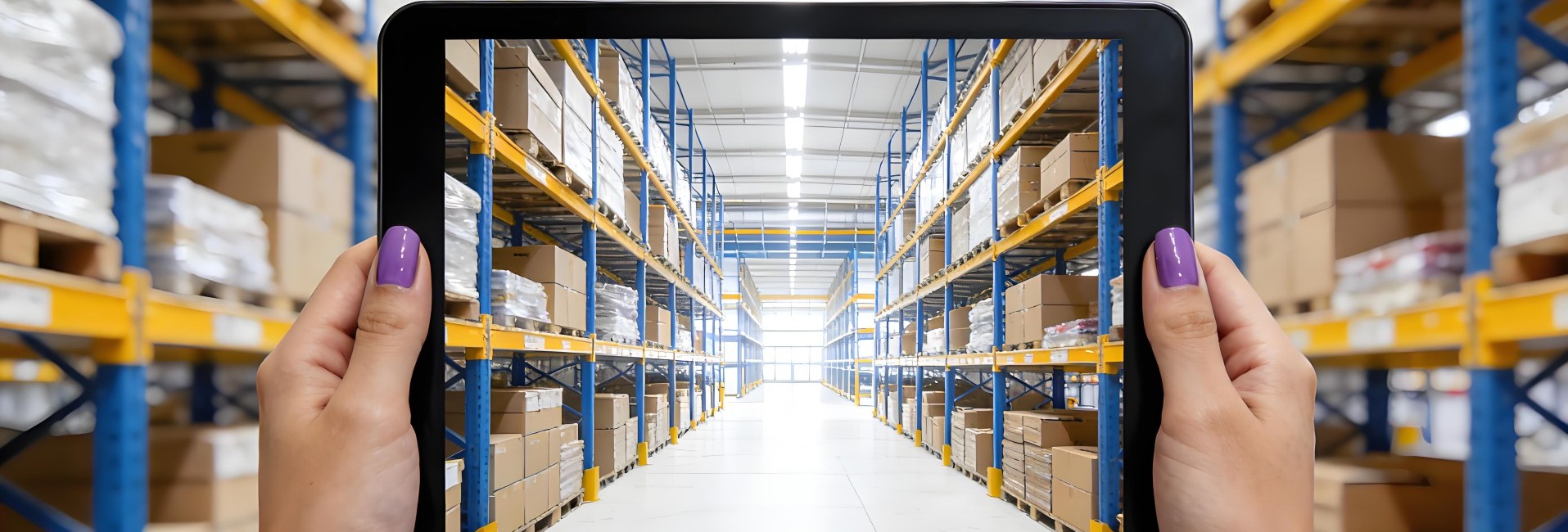
Navigating the new landscape of 2026 will be challenging, and that's where a reliable logistics partner comes in. A good partner, like [东方星集运], can make a huge difference.
1. Expertise in New Regulations
[东方星集运] has a team of experts who are constantly monitoring the new regulations. They can help you understand what's required and ensure that all your shipments are compliant. For example, they can assist with obtaining the necessary biosecurity certificates and ensuring that the customs valuation is accurate.
2. Multiple Shipping Solutions
The company offers a range of shipping solutions, including sea freight, air freight, and door - to - door services. This means that they can tailor the shipping plan to your specific needs. Whether you're a small business owner shipping a few items or a large importer with a full container load, they can find the right solution for you.
3. Transparent and Efficient Service
[东方星集运] provides transparent pricing and efficient service. They keep you informed at every step of the shipping process, from pick - up to delivery. I've had clients who have used their services, and they've always been happy with the level of communication and the smoothness of the process.
VI. FAQ
Q: How will the new biosecurity regulations in 2026 affect the shipping time? A: Well, the stricter biosecurity checks may cause some delays, especially for sea freight. The inspectors need more time to ensure that the goods meet the new standards. However, if you work with a logistics partner like [东方星集运], they can help expedite the process by ensuring that all the necessary documents are in order before shipping.Q: What should I do if my goods are held up at the port due to non - compliance with the new regulations? A: Don't panic! If you're using a reliable logistics partner like [东方星集运], they'll handle the situation for you. They'll work with the authorities to resolve the issue, which may involve providing additional documentation or arranging for treatment of the goods to meet the requirements.
Q: Are there any specific types of household goods that will be more affected by the 2026 regulations? A: Yes, goods made from natural materials like wood, bamboo, or leather are likely to be more affected. These materials can pose a higher risk to Australia's biosecurity, so they'll face more rigorous checks. Goods that contain food or food - related items will also be under closer scrutiny.
Q: How can I ensure that my customs valuation is accurate to comply with the new regulations? A: It's important to keep detailed records of the cost of your goods, including purchase price, shipping fees, and any other associated costs. You can also consult with a logistics expert like those at [东方星集运]. They have experience in customs valuation and can help you determine the correct value for your goods.
Q: Will the cost of shipping household goods increase significantly in 2026 due to the new regulations? A: It's possible that there will be some increase in cost. The additional documentation and compliance requirements may add some administrative costs. However, the exact impact will depend on various factors, such as the type of goods and the shipping channel. Working with a cost - effective logistics partner can help you manage these costs.
As we approach 2026, it's clear that the shipping of household goods to Australia will face some significant changes. But with the right knowledge and a reliable logistics partner, you can navigate these changes smoothly and continue to grow your business.