


I. Introduction
Hey there, Australian small business owners, importers, and e - commerce sellers! If you're involved in shipping goods from China to Australia, especially student household items, you might be wondering what changes 2026 will bring. I've been in the cross - border logistics game for years, dealing with the nitty - gritty of moving goods between these two countries. And let me tell you, there have always been surprises!
I remember back in 2024, a client who was shipping a large batch of household items for students in Sydney. They thought everything was going smoothly until they hit a roadblock at the Australian Customs. The goods were held up for days, and it caused quite a headache for everyone involved. This kind of incident is what led me to take a closer look at what might happen in 2026.
II. The Current State of Shipping Student Household Items
1. Shipping Channels
Currently, there are mainly two ways to ship student household items from China to Australia: sea freight and air freight. Sea freight is the more economical option, but it takes longer. For example, it can take roughly 25 - 30 natural days if you choose a regular sea freight service. Air freight, on the other hand, is much faster, with a minimum of around 3 days, but it's more expensive.
2. Customs and Regulations
Australia has strict customs regulations, especially when it comes to items of biological origin. Goods like wooden furniture, food items, and plants need to be carefully declared. The Australian Border Force (ABF) and the Department of Agriculture, Fisheries and Forestry (DAFF) are constantly monitoring these imports to protect the country's biosecurity.
III. Potential Changes in 2026 (40% of the article)
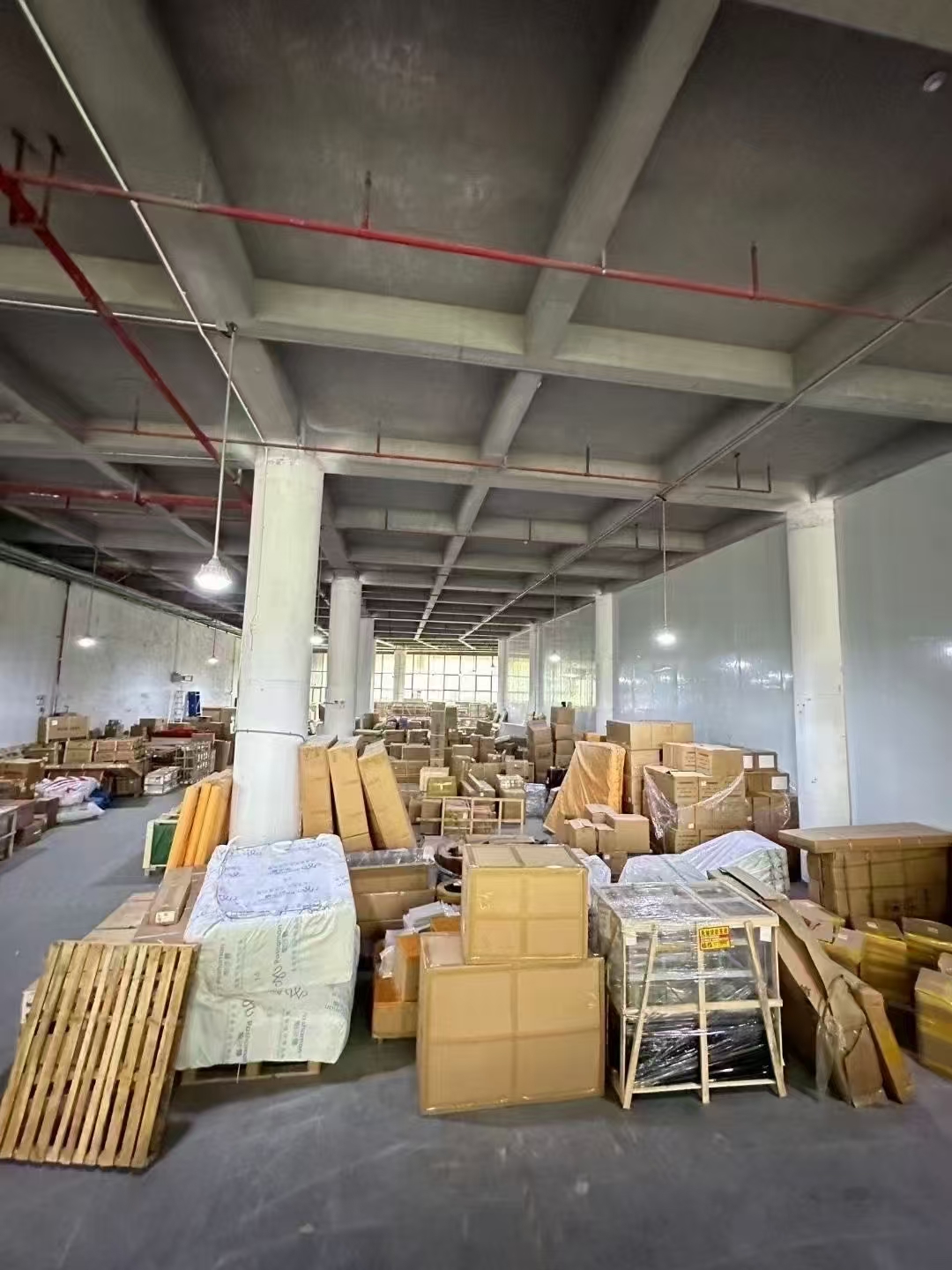
1. Policy Changes
The 2026 Australia ABF new policy is expected to have a significant impact on shipping. One of the major changes might be in the area of biosecurity. Australia has always been very protective of its unique ecosystem, and the new policy may further tighten the regulations on importing items that could pose a threat. For example, there might be more stringent inspection procedures for wooden furniture and textile products.
I had a recent experience with a shipment of bamboo furniture from a factory in China. The DAFF was very strict about checking the origin and treatment of the bamboo to make sure it was free from pests and diseases. In 2026, we can expect this kind of scrutiny to increase.
2. Shipping Costs
Shipping costs are also likely to change. Fuel prices, labor costs, and global economic conditions all play a role in determining the cost of shipping. With the increasing demand for green shipping and more sustainable practices, carriers may incur additional costs, which will, in turn, be passed on to the customers. For example, companies might invest in more fuel - efficient ships or cleaner energy sources, and these investments will be reflected in the shipping rates.
3. Shipping Routes and Transit Times
In 2026, we might see some changes in shipping routes. New ports or shipping lanes could be opened up to optimize transit times. For instance, if there are new infrastructure developments in some Chinese or Australian ports, it could potentially reduce the transit time of sea - freight shipments. However, these changes might also require shippers to adjust their logistics strategies.
IV. Dealing with the Potential Changes
1. Be Informed
Stay updated on the latest policy changes. Follow official announcements from the ABF and DAFF. You can also subscribe to industry newsletters or join relevant online forums to get the latest information.
2. Choose the Right Shipping Partner
It's crucial to work with a reliable shipping company. For example, [东方星集运] has been serving the cross - border logistics market between China and Australia for years. They have a deep understanding of the local policies and regulations. They offer a variety of shipping options, including sea freight, air freight, and door - to - door services, and can help you choose the most suitable one based on your needs and budget.
3. Properly Declare Your Goods
Make sure you accurately declare all your goods. Provide detailed information about the contents, quantity, and value. This will help avoid any delays or penalties at customs.
V. FAQs
Q: How much will the shipping cost increase in 2026? A: It's hard to give an exact figure as it depends on many factors like fuel prices and new regulations. However, you can expect a moderate increase. Shipping companies like [东方星集运] can give you a more accurate estimate based on your specific shipment.Q: What should I do if my shipment is held up at customs in 2026? A: If your shipment is held up, first, contact your shipping agent, like [东方星集运]. They have experience dealing with customs issues and can communicate with the relevant authorities on your behalf. Provide them with all the necessary documentation to speed up the clearance process.
Q: Will the new policy in 2026 affect all types of student household items? A: Not all items will be affected, but items that are more likely to pose a biosecurity risk, such as food, plants, and certain wooden products, will face more scrutiny.
Q: Can I still use sea freight for shipping student household items in 2026? A: Absolutely! Sea freight will still be a valid option. It might take a bit longer or cost a bit more due to potential policy changes, but it's still a cost - effective choice for large and non - urgent shipments.
Q: How can I ensure my goods comply with the new regulations in 2026? A: Work with a professional shipping company. [东方星集运] has a team that keeps track of the latest regulations and can guide you through the proper declaration and preparation of your goods.
In the face of the potential changes in 2026, being prepared and making informed decisions will be key to ensuring a smooth shipping process for student household items from China to Australia.