


I. Unveiling the Hidden Pitfalls of Door - to - Port Freight from China to Australia
As an importer, e - commerce seller, or small business owner in Australia relying on door - to - port freight from China, you're likely no stranger to the complexities and potential headaches this process can bring. I've been in the cross - border logistics trenches for years, and I've seen firsthand the numerous challenges that businesses face.
Let's start with a common scenario. I had a client back in 2024, a 3C electronics seller based in Sydney. They were importing a large batch of smartphones from a Chinese factory. The initial quote they received was quite reasonable, and they were eager to get the goods on their way. However, they didn't pay close attention to the fine print.
When the shipment arrived at Port Botany, they were hit with a series of unexpected fees. There were additional customs clearance charges due to incorrect HS code classification, which was a result of the lack of detailed product information provided during the booking process. On top of that, they had to pay for storage fees because the goods were held up in customs longer than expected. In the end, what seemed like a profitable import turned into a financial nightmare, significantly eating into their profit margins.
This is just one example of the many pitfalls that can occur in door - to - port freight from China to Australia. In 2026, there are new regulations and trends that you need to be aware of to avoid similar situations.
II. Navigating the 2026 Policy Landscape
The Australian Border Force (ABF) and the Department of Agriculture, Fisheries and Forestry (DAFF) have introduced several key changes in 2026 that directly impact door - to - port freight.
1. Tighter Biosecurity Checks
Australia has always been strict about biosecurity to protect its unique ecosystem. In 2026, the DAFF has tightened its regulations even further. For instance, all wooden packaging materials must now be treated and marked according to the international standards to prevent the introduction of pests. If you're shipping home goods with wooden components, you need to ensure that your suppliers in China are aware of these requirements. Failure to comply can result in your shipment being held at the port, incurring additional costs and delays.
2. More Stringent Customs Valuation
The ABF is cracking down on undervaluation of goods for customs purposes. They've implemented more sophisticated methods to determine the accurate value of imported products. This means that if your declared value is significantly lower than what the ABF deems reasonable, your shipment will be subject to further scrutiny. As a result, it's crucial to provide accurate and detailed information about the cost of goods, including transportation and insurance fees, to avoid any potential customs issues.
III. Exploring Different Freight Channels
1. Sea Freight
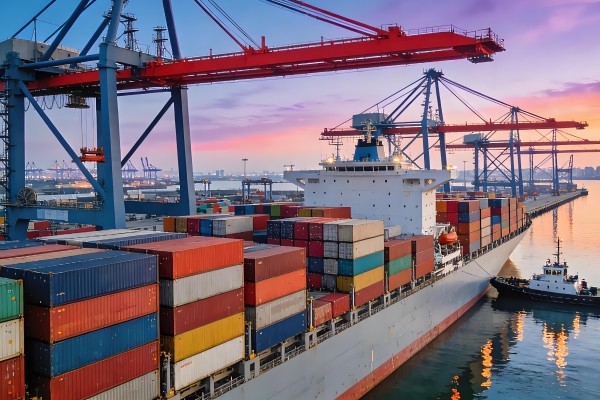
Sea freight remains the most cost - effective option for large - volume and non - time - sensitive shipments. There are two main types of sea freight: full container load (FCL) and less than container load (LCL).
FCL: This is suitable for businesses that have enough goods to fill an entire container. The advantage of FCL is that your goods are less likely to be damaged during transit as they're not mixed with other shipments. However, it can be more expensive upfront, especially if you don't fully utilize the container space.LCL: Ideal for small to medium - sized businesses that don't have enough goods to fill a container. You only pay for the space your goods occupy. But one drawback is that LCL shipments are more vulnerable to delays as they often need to wait for other goods to fill the container before departure.
2. Air Freight
Air freight is the go - to option for time - sensitive goods. It offers much faster transit times compared to sea freight. For example, an air shipment from a Chinese port to Sydney can take as little as 3 days. However, it comes at a higher cost. Air freight is typically recommended for high - value items, such as electronics or luxury goods, and for urgent restocking needs.
IV. The Role of a Reliable Logistics Provider
When it comes to door - to - port freight from China to Australia, choosing the right logistics provider is crucial. A good provider can help you navigate the complex regulatory environment, optimize your shipping costs, and ensure smooth delivery.
Take Oriental Star Shipping (东方星集运) as an example. They've been in the industry for years and have a deep understanding of the 2026 regulations. They offer a range of services, including customs clearance, cargo handling, and freight forwarding. They also provide up to 180 days of free storage, which is extremely beneficial for businesses that need to consolidate their shipments or manage inventory.
One of their clients, an apparel importer in Melbourne, was struggling with customs clearance issues due to the new biosecurity regulations. Oriental Star Shipping stepped in and helped them accurately classify their goods and ensure that all the required documentation was in order. Thanks to their expertise, the shipment was cleared smoothly, and the client was able to avoid any costly delays.
V. Frequently Asked Questions
1. What documents do I need for customs clearance?
You'll typically need a commercial invoice, a packing list, a bill of lading or airway bill, and a certificate of origin. If your goods are subject to special regulations, such as food or medical products, you may also need additional certificates. It's best to work with a logistics provider who can help you prepare the correct documents.
2. How can I avoid unexpected fees?
The key is to be fully transparent about your goods and their value from the start. Provide detailed information to your logistics provider, including the product description, quantity, price, and packaging materials. This will help them accurately estimate all the costs involved and avoid any surprises at the port.
3. What if my shipment is held up in customs?
First of all, don't panic. Your logistics provider should be able to assist you in communicating with the customs authorities. They can help you gather the necessary additional information or documentation to resolve the issue. In most cases, customs holds are due to minor discrepancies that can be easily fixed.
4. Can I track my shipment?
Yes, most reliable logistics providers offer shipment tracking services. With Oriental Star Shipping, you can track your shipment at every stage of the journey through their digital platform. This allows you to stay informed about the status of your goods and make necessary arrangements in advance.
5. How do I choose between sea freight and air freight?
It depends on your specific needs. If you have a large quantity of non - urgent goods and cost is your main concern, sea freight is the better option. However, if you need to get your goods to Australia quickly or if they're high - value items, air freight might be more suitable. Consider factors such as the value, volume, and urgency of your shipment when making a decision.
As you look to engage in door - to - port freight from China to Australia in 2026, keep these insights in mind. Make sure you're well - informed, choose the right logistics partner, and always be prepared for the unexpected twists and turns of the cross - border shipping process. This way, you can ensure that your business thrives and your goods arrive safely and on time.