


I. Introduction
Hey there, Australian small business owners, importers, and e - commerce sellers! Shipping used household goods from China to Australia in 2026 can be a bit of a minefield. I've been in the cross - border logistics game for a while, and I've seen firsthand the headaches and heartaches that can come with this process. Just the other day, I was talking to an importer who had a shipment of used furniture held up at Port Botany because of some incorrect documentation. It's scenarios like these that make me want to share my insights with you all.
II. 2026 Policy Updates
The Australian Border Force (ABF) and the Department of Agriculture, Fisheries and Forestry (DAFF) have tightened up the regulations regarding the import of used household goods. In 2026, there's a greater emphasis on biosecurity. For instance, any wooden items need to be free from pests and treated properly. I remember a client in 2024 who shipped a set of antique wooden chairs. They didn't realize the chairs had to be fumigated, and the whole shipment was delayed for nearly two weeks.
III. The Shipping Process
1. Preparation
First, you need to thoroughly clean all the used household goods. Greasy kitchenware, dirty mattresses, and clothes with stains can all raise red flags. Make an inventory list, including detailed descriptions, purchase dates, and values of each item. This will be crucial for customs clearance.
2. Choosing a Shipping Method
Sea Freight: It's cost - effective for large volumes. For example, if you're shipping a whole container of used household goods, sea freight might be your best bet. The shipping time for sea freight usually takes around 25 - 30 days, depending on the port of departure in China and the destination port in Australia.Air Freight: If you're in a hurry or shipping high - value, small - volume items, air freight could be a better option. It can take as little as 3 - 5 days, but it's significantly more expensive.
3. Documentation
Commercial Invoice: This should include the sender's and receiver's details, item descriptions, quantities, and values.Packing List: Break down what's in each box or container.
Certificate of Origin: Proves where the goods are from.
Biosecurity Certificates: For items like wooden furniture, you may need to provide certificates showing they've been treated for pests.
IV. Deep Dive: Biosecurity Risks and Mitigations
In 2026, biosecurity is a major concern for Australian authorities. Used household goods can carry all sorts of pests, fungi, and contaminants.
1. Common Risks
Wooden Items: Termites, wood borers, and fungi can hide in the wood. For example, a shipment of used wooden cabinets from a damp area in China might be infested with mold.Textiles: These can carry dust mites, bacteria, and even bed bugs.
Kitchenware: Food residues can attract pests and cause hygiene issues.
2. Mitigations
Pre - shipment Cleaning: As mentioned earlier, a good cleaning can eliminate many potential risks. For wooden items, sanding and treating with an approved pesticide can be effective.Inspection and Certification: Before shipping, have the goods inspected by a professional. They can issue certificates that show the goods meet Australia's biosecurity standards. I had a client shipping a set of used camping gear. They got it inspected and treated, and the shipment cleared customs smoothly.
V. Cost Breakdown
1. Transport Costs
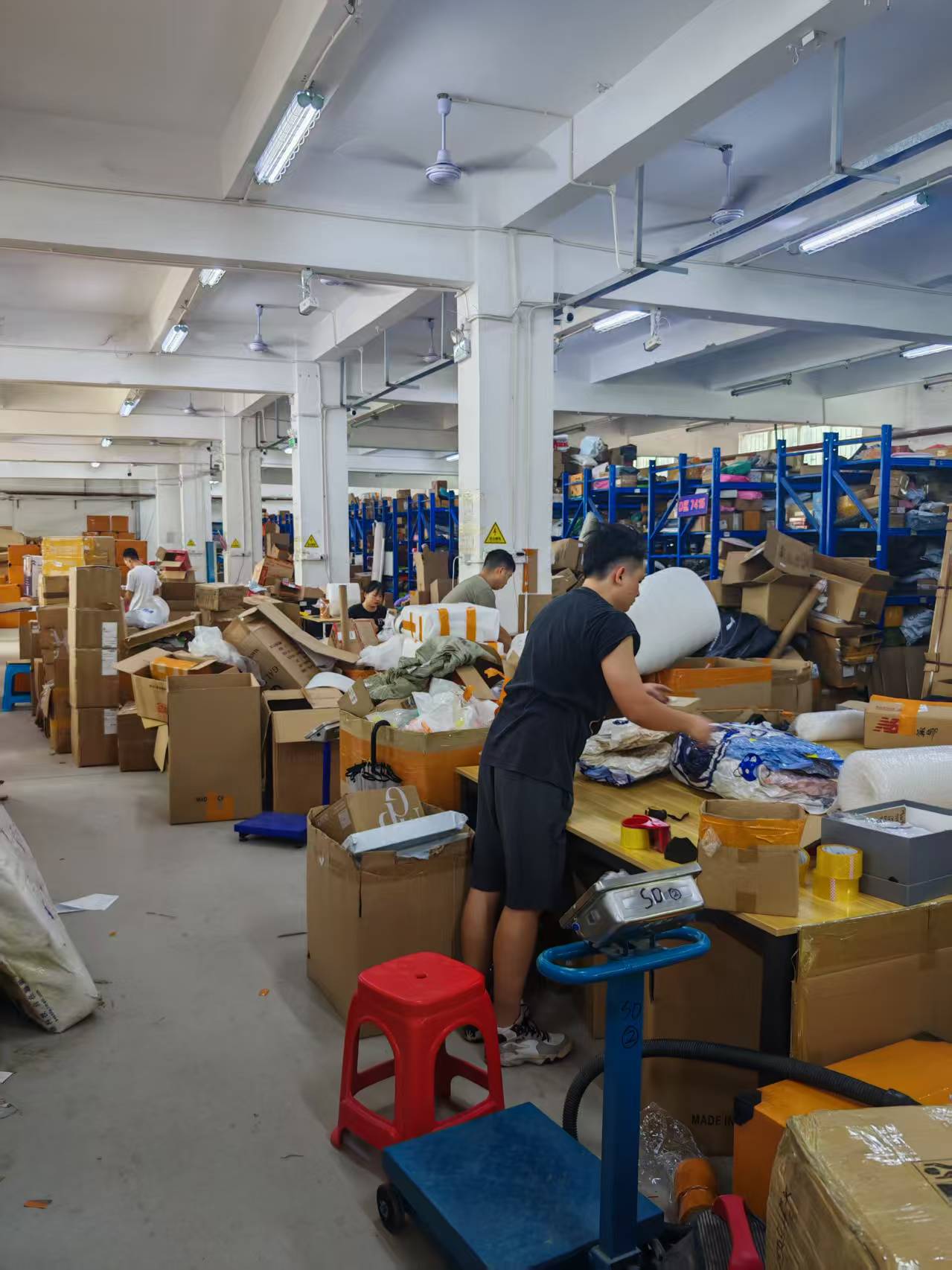
Freight Charges: This depends on the shipping method, volume, and weight of the goods. For example, shipping a 20 - foot container of used household goods by sea from Shanghai to Port Melbourne might cost around $3,500. Air freight for a small package could be around $5 - $10 per kilogram.Terminal Handling Charges: These are fees charged at the ports for loading, unloading, and storing the goods. They can vary from port to port but usually amount to a few hundred dollars per container.
2. Customs Duties and Taxes
The amount you'll pay depends on the value of the goods. Used household goods may be eligible for some exemptions, but it's important to check with the ABF.
VI. Choosing a Reliable Logistics Provider
Not all logistics providers are created equal. A reliable one will have experience in handling used household goods, be familiar with the 2026 regulations, and offer good customer service. For example, Eastern Star Shipping focuses on the China - Australia route. They have a team that can help you with documentation, handle any biosecurity issues, and track your shipment. They also provide up to 180 days of free warehousing, which is great if you need to store your goods before shipping.
VII. FAQ
What if my used household goods are held up at customs? Well, it could be due to incorrect documentation, biosecurity issues, or other reasons. A good logistics provider will help you figure out the problem. They'll work with you to supply any missing information or arrange for additional inspections or treatments. For example, if your wooden items are held because of pest concerns, they might help you get them re - treated and re - inspected.
Can I ship all types of used household goods? Not all items are allowed. There are restrictions on items like weapons, certain chemicals, and some types of food. Also, items that are in extremely poor condition or pose a significant biosecurity risk may be rejected. It's best to check with your logistics provider and the ABF before shipping.
How long does the shipping process usually take? For sea freight, it's around 25 - 30 days on average, but it can be longer if there are delays at the ports or due to customs clearance. Air freight is much faster, usually 3 - 5 days. However, these are just estimates, and actual delivery times can vary.
Do I need insurance for my shipment? It's a good idea. Mishaps can happen during transit, such as damage, loss, or theft. A reliable logistics provider like Eastern Star Shipping offers basic insurance with each shipment and allows you to increase the coverage if needed.
What's the best way to ensure my goods meet biosecurity requirements? Thoroughly clean your goods before shipping. Have them inspected by a professional to get the necessary biosecurity certificates. And always provide accurate information to your logistics provider and customs authorities. This way, you can avoid delays and potential fines.