


I. Introduction: The Complexity of Shipping Unaccompanied Personal Effects to Australia in 2026
Hey there, Australian small business owners, importers, and e - commerce sellers! You might be familiar with the hassle of shipping unaccompanied personal effects to Australia. In 2026, there have been some significant changes in policies and procedures. I remember back in 2024, a client of mine was shipping a large amount of home goods from China to Sydney. They didn't know about the strict regulations, and it ended up costing them extra time and money. So, let's break down what you need to know in this new year.
II. The 2026 Policy Changes and Their Impact
Biosecurity Updates The Department of Agriculture, Fisheries and Forestry (DAFF) has tightened its biosecurity measures. This includes stricter inspections of items made from plant or animal materials. For example, if you're shipping wooden furniture or leather goods, they need to be properly treated and declared. Failure to do so can result in hefty fines or even the seizure of your goods. I once had a client shipping hand - crafted wooden bowls from a trade factory in China to Melbourne. Due to lack of proper treatment certification, the goods were held at Port of Melbourne for almost 14 days, causing a significant delay in their business operations.Customs Declaration Requirements The Australian Border Force (ABF) has updated the customs declaration process. You must provide accurate and detailed information about your unaccompanied personal effects. This includes the value, origin, and description of each item. Using vague terms like "personal items" is no longer acceptable. In my experience, many importers underestimate the importance of this step. A 3C electronics seller I worked with shipped a batch of smartphones to Brisbane. They didn't properly declare the value of the accessories that came with the phones, and it led to an audit, causing unnecessary stress and administrative work.
III. Popular Shipping Channels and Their Suitability
Air Freight Advantages: Air freight is the fastest option. It can get your unaccompanied personal effects to Australia in as little as 3 - 5 days. This is ideal for small, high - value items like 3C electronics or important documents.Limitations: It's also the most expensive option. The cost per kilogram can be 4 - 5 times higher than sea freight. Also, there are weight and size restrictions, so it's not suitable for large items like furniture.
Sea Freight Full Container Load (FCL): If you have a large quantity of goods, FCL is a great option. You have the whole container to yourself, which means better security for your items. The shipping time is longer, roughly 20 - 30 days, but it's more cost - effective for bulk shipments.
Less than Container Load (LCL): For smaller shipments, LCL allows you to share a container with other shippers. It's a more affordable option compared to air freight but has a longer transit time. However, there's a risk of damage to your goods if not properly packed, as they'll be mixed with other items.
IV. Step - by - Step Guide to Shipping Unaccompanied Personal Effects
Pre - shipment Preparation Inventory and Documentation: Make a detailed inventory of all your items. Include information such as the item's name, quantity, value, and origin. You'll need this for your customs declaration. Also, gather any necessary certificates, such as treatment certificates for biosecurity - sensitive items.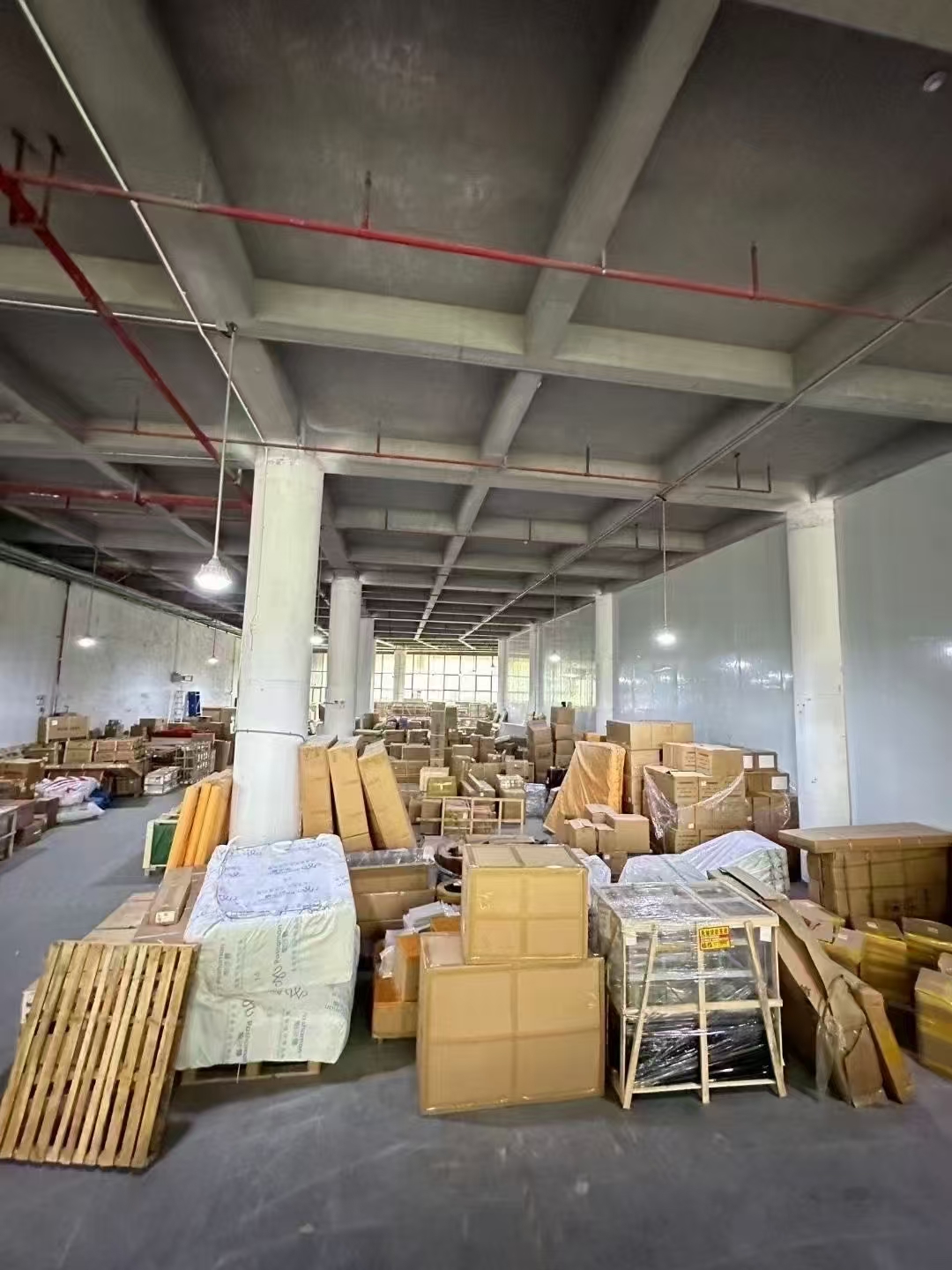
Selecting a Shipping Provider This is crucial. Look for a company with experience in shipping to Australia. Companies like DHL and FedEx are well - known, but for a more specialized service that focuses on the China - Australia route, I'd highly recommend Oriental Star Shipping. They have a team that's well - versed in the 2026 policies and can guide you through the whole process. They also offer a range of services, including free storage for up to 180 days, which can be a huge help if you're shipping multiple batches of goods.
Shipping and Delivery Once your goods are on the way, you can track them using the shipping provider's online tracking system. Oriental Star Shipping, for example, has a digital platform where you can get real - time updates on your shipment. Upon arrival in Australia, your goods will go through customs clearance. It's important to stay in touch with your shipping provider during this time, as they can assist with any issues that may arise.
V. Frequently Asked Questions
What if my goods are held at customs? If your goods are held at customs, it could be due to various reasons, such as incorrect documentation or biosecurity concerns. Your shipping provider can help you resolve the issue. For example, Oriental Star Shipping has a team that can work with the relevant authorities to provide the necessary information and get your goods released as quickly as possible.Can I ship food items as unaccompanied personal effects? Yes, you can, but you need to declare them accurately. The DAFF has strict rules regarding food items, especially those of plant or animal origin. You may need to provide additional documentation, such as a health certificate.
How much does it cost to ship unaccompanied personal effects to Australia? The cost depends on several factors, including the volume and weight of your goods, the shipping method (air or sea), and the distance. For a rough estimate, air freight can cost around $10 - $20 per kilogram, while sea freight can be as low as $1 - $3 per kilogram for LCL and around $1500 - $3000 for a 20 - foot FCL container.
Do I need to pay tax on my unaccompanied personal effects? It depends on the value and nature of your goods. There are thresholds below which you may not need to pay duty or tax. However, if your goods exceed the value of AUD 1000, you'll generally be required to pay import duties and taxes. It's best to consult your shipping provider or a customs broker for accurate information.
What should I do if my goods are damaged during transit? Most shipping providers offer some form of basic insurance. Oriental Star Shipping, for instance, provides free basic transportation insurance for each shipment. In case of damage, you should immediately contact your shipping provider, provide them with photos and details of the damage, and they'll guide you through the claims process.
In shipping unaccompanied personal effects to Australia in 2026, being well - informed and prepared is key. With the right knowledge and a reliable shipping partner, you can avoid many common pitfalls and ensure a smooth shipping experience.