


I. Introduction
Hey there, Aussie small business owners, importers, and e - commerce sellers! In 2026, the landscape of international furniture removal to Australia has seen significant changes. I've been in the cross - border logistics frontline for quite some time, and I've witnessed firsthand the challenges and opportunities in this industry. Just the other day, I was talking to a client who was completely lost when it came to shipping furniture from China to Sydney. He didn't know about the new policies, the right shipping methods, or how to avoid unnecessary costs. So, in this article, I'm going to share some in - depth knowledge to help you navigate this process smoothly.
II. New Policies and Regulations in 2026
The Australian Border Force (ABF) and the Department of Agriculture, Fisheries and Forestry (DAFF) have tightened up the regulations this year. For furniture, especially those made from wood or with natural materials, strict biosecurity checks are in place. I remember a shipment of wooden furniture last month that got held up at Port Botany. The reason? Some of the wood hadn't been properly treated to meet the new biosecurity standards.
Biosecurity Requirements: DAFF now requires all wooden furniture to be heat - treated or fumigated before shipment. You'll need to provide a valid treatment certificate. Non - compliant items can be subject to re - treatment, quarantine, or even destruction at the importer's expense.Customs Declaration: It's crucial to accurately declare the value, origin, and material of your furniture. Incorrect declarations can lead to delays and hefty fines. The ABF has been using advanced data analytics to detect discrepancies, so don't try to cut corners.
III. Choosing the Right Shipping Method
Selecting the appropriate shipping method is vital to ensure your furniture arrives safely and on time. Here are the main options:
Ocean Freight (Full Container Load, FCL): Advantages: Ideal for large quantities of furniture. It offers more space and protection for your items. Also, it's generally more cost - effective for bulk shipments. For example, a furniture importer in Melbourne who ordered a large consignment of sofas found that FCL was the most economical choice.Disadvantages: Longer transit times. A typical FCL shipment from a major Chinese port to Port of Melbourne can take roughly 25 - 30 days. Also, you need to have enough furniture to fill a container to make it cost - efficient.
Ocean Freight (Less than Container Load, LCL): Advantages: Suitable for smaller businesses or those with less furniture to ship. You only pay for the space your furniture occupies. I had a home goods seller in Brisbane who used LCL to ship a small batch of accent chairs.
Disadvantages: Higher risk of damage due to shared container space. There can also be more handling during transit, which might cause delays. Transit times are also slightly longer than FCL.
Air Freight: Advantages: Extremely fast. If you need to restock your furniture inventory urgently, air freight can get your items to Australia in as little as 3 - 5 days. This is great for high - end furniture pieces where timely delivery is crucial.
Disadvantages: It's significantly more expensive than ocean freight. The cost can be up to 5 - 10 times higher, depending on the weight and volume of your shipment.
IV. Packaging and Handling
Proper packaging is the key to ensuring your furniture arrives in good condition. I've seen too many cases where poorly packaged furniture got damaged during transit.
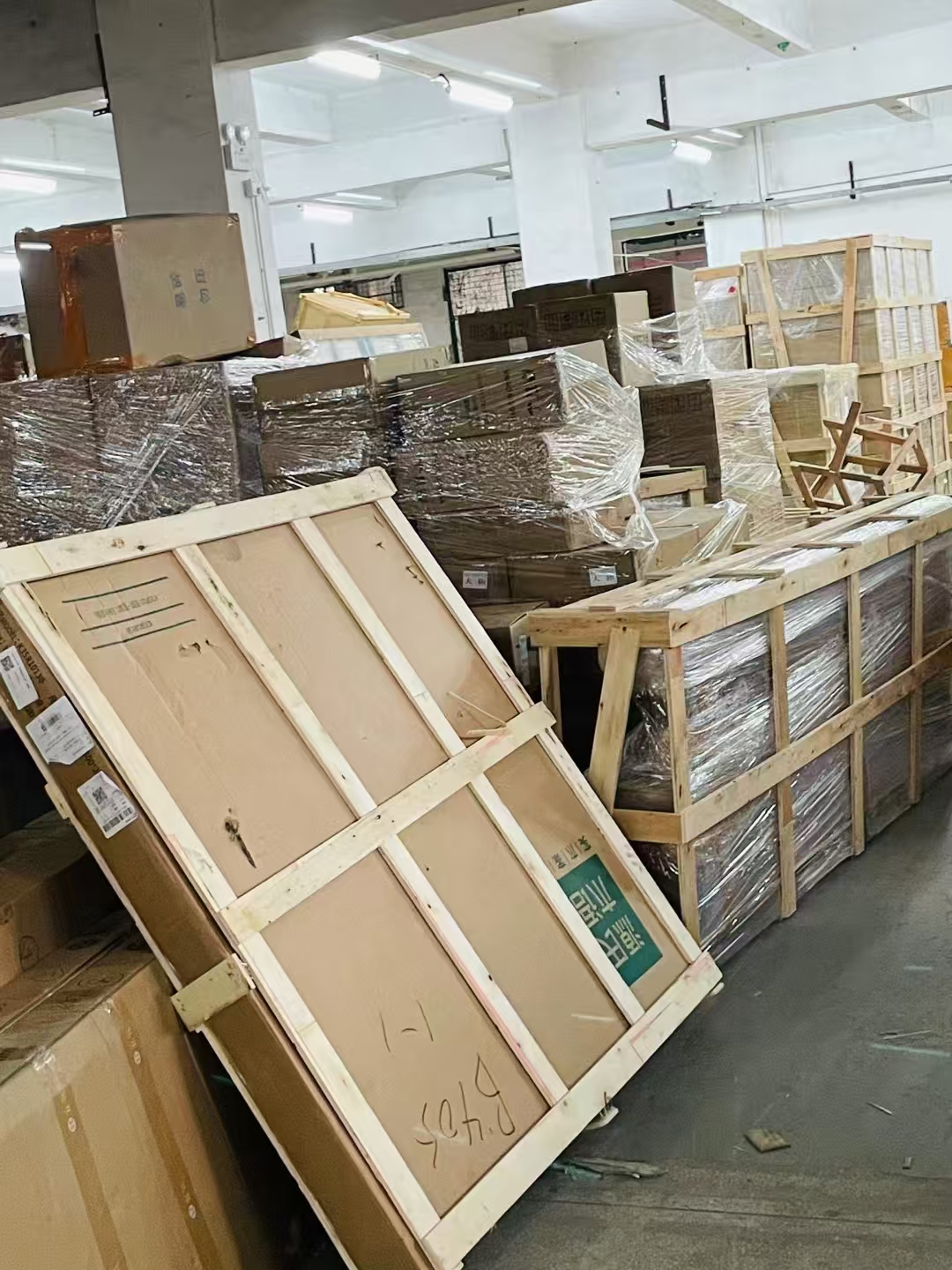
Custom - Made Crates: For fragile furniture, like glass - topped tables or antique pieces, custom - made wooden crates are the best option. They provide excellent protection and can be easily secured during shipping.Padding and Wrapping: Use high - density foam padding, bubble wrap, and stretch film to protect the surface of the furniture. This is especially important for items with painted or polished surfaces.
V. Cost Analysis
Let's break down the costs involved in international furniture removal to Australia.
| Cost Component | Details |
|---|---|
| Freight Charges | Vary depending on the shipping method, volume, and weight. For example, an FCL shipment might cost around $3,000 - $5,000 from a Chinese port to an Australian one. Air freight charges can be around $5 - $10 per kilogram. |
| Customs Duties and Taxes | Calculated based on the value of the furniture. You can use the Harmonized System (HS) codes to determine the applicable rates. |
| Biosecurity Fees | If you're shipping wooden furniture, there will be fees for treatment and inspection. These can range from $200 - $500 per shipment. |
| Packaging Costs | Custom - made crates can cost around $100 - $300 per piece, depending on the size and materials. |
VI. Working with a Reputable Logistics Provider
One of the best decisions you can make is to partner with a reliable logistics provider like Oriental Star Shipping.
Expertise: With over 13 years of experience in the industry, their core team really knows the ins and outs of shipping furniture. They can handle all the paperwork, customs clearance, and shipping arrangements efficiently. I had a client who was shipping a large quantity of furniture from a Chinese trade factory to Sydney. Oriental Star Shipping took care of everything, from arranging the right FCL shipping to ensuring all the biosecurity requirements were met.Wide Range of Services: They offer a variety of shipping options, including FCL, LCL, and air freight. They also provide warehousing services for up to 180 days, which is great if you need to store your furniture temporarily.
Good Customer Support: You'll get a dedicated person to handle your shipment, and they'll keep you updated on the status of your furniture at all times.
VII. FAQ
What if my furniture doesn't meet the biosecurity requirements? Well, if your furniture doesn't meet the biosecurity requirements, it can be held at the port. You'll then have to arrange for re - treatment, which can be costly and time - consuming. In some cases, non - compliant items might even be destroyed. It's super important to work with a logistics provider, like Oriental Star Shipping, who can help you ensure all the requirements are met before shipment.How can I estimate my customs duties and taxes? You can use the Harmonized System (HS) codes for your furniture to get an idea of the applicable customs duties and taxes. There are also online calculators available. However, the exact amount can vary depending on the value and origin of your furniture. Oriental Star Shipping can assist you in accurately calculating these costs.
Is it worth using air freight for furniture? It depends on your situation. If you need to restock your inventory quickly or you're shipping high - value, time - sensitive furniture, air freight might be worth it. But remember, it's much more expensive than ocean freight. So, if you have the time, ocean freight is usually a more cost - effective option.
Can I track my furniture shipment? Yes, if you choose a good logistics provider like Oriental Star Shipping, they'll offer a digital tracking system. You can monitor the progress of your shipment from the moment it leaves the warehouse in China until it reaches your destination in Australia. This way, you can stay informed and plan accordingly.
What should I do if my furniture gets damaged during transit? First, make sure you've purchased adequate insurance for your shipment. When the furniture arrives, document the damage thoroughly with photos and a detailed report. Then, contact your logistics provider right away. They'll help you file a claim and guide you through the process. Oriental Star Shipping offers basic insurance for each shipment and allows you to add extra coverage if needed.
In summary, when it comes to international furniture removal to Australia in 2026, it pays to be well - informed about the new policies, choose the right shipping method, and work with a trusted logistics partner. By following these tips, you can ensure a smooth and successful shipping process.