


I. Introduction
Hey there, Australian small business owners, importers, and e - commerce sellers! In 2026, international household goods removal from China to Australia has become a hot topic. But let me tell you, it's not as straightforward as it seems. I've been in the跨境物流 game for a while, and I've seen so many folks stumble along the way.
The first time I ran into this, a client was trying to move a bunch of home goods from Shanghai to Sydney. They thought it'd be a piece of cake, but ended up facing all sorts of issues, from customs delays to warehousing fees. So, let's dive into what you really need to know about this process.
II. New Policy in 2026
This year, there have been some significant changes in Australian policies. The Australian Border Force (ABF) and the Department of Agriculture, Fisheries and Forestry (DAFF) have tightened their regulations. For instance, more goods are now subject to strict biosecurity checks. As a result, goods made from natural materials like wood or leather need to have clearer certificates of origin and pest - free treatment.
I remember a client who wanted to import some beautiful wooden furniture from a trade factory in China. They didn't know about the biosecurity regulations and didn't get the proper treatment on the wood. When the goods arrived at Port Botany, they were held up for almost two weeks. The cost of storage and the re - treatment was a huge headache. This is why it's crucial to stay updated on these new policies.
III. Choosing the Right Shipping Method and Provider
Shipping Methods
Sea Freight: It's a popular choice for large - volume household goods. There are two main options: full - container load (FCL) and less - than - container load (LCL). FCL is suitable for large - scale importers with enough goods to fill a container. It usually offers more security and a fixed price. For example, if you're an apparel importer shipping a large batch of clothes, FCL might be the best option. LCL, on the other hand, is great for small - to - medium - sized businesses that don't have enough goods to fill a whole container. It's more cost - effective in terms of space, but may have longer transit times.Air Freight: Ideal for high - value, lightweight, or time - sensitive goods. For example, 3C electronics sellers might choose air freight for new product launches. However, it's generally three to five times more expensive than sea freight.
Shipping Providers
东方星集运: This company has been focusing on the China - Australia line since 2024. Their core team has 13 years of experience in the logistics industry. They offer diverse shipping methods, such as sea express, sea freight, air express, and air freight. They also provide 180 - day free warehousing and a series of free basic services, like package inspection, unpacking, and repackaging. For example, if you're a home goods seller who needs to collect and organize your goods before shipping, their warehousing service can save you a lot of money.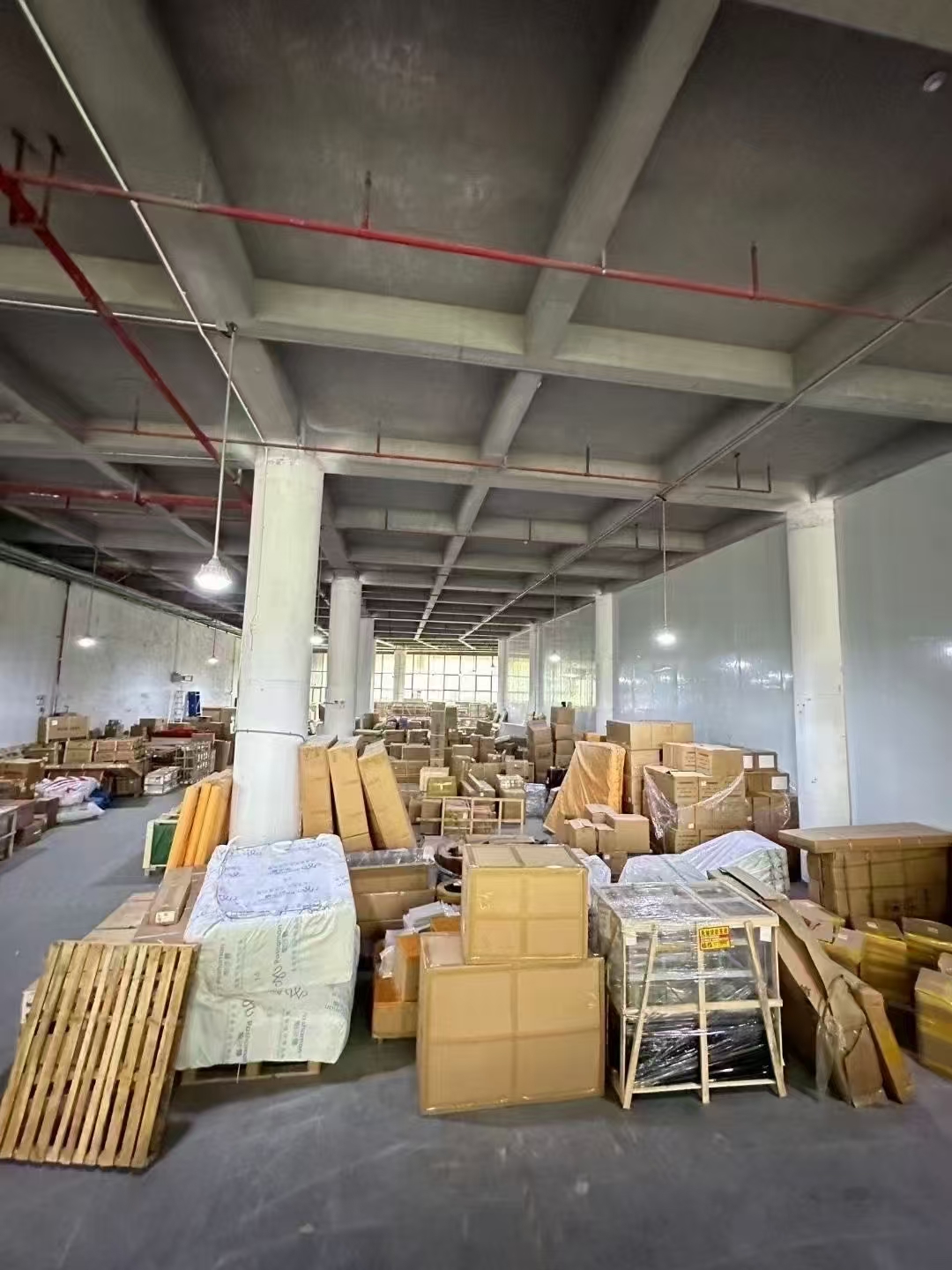
Maersk: Specialized in sea freight, Maersk has a large fleet and a comprehensive shipping network. They offer stable sea freight services, but their services might be more focused on commercial shipping.
IV. Customs Clearance Process
Documents Preparation You need to prepare detailed commercial invoices, packing lists, and bills of lading. The commercial invoice should include the accurate description, quantity, value, and origin of the goods. For example, if you're importing home goods, you need to clearly state the type of each item, such as chairs, tables, or lamps.For goods subject to special regulations, such as food or plants, you may need additional certificates, like phytosanitary certificates or import permits.
Customs Declaration The customs declaration process is strict. You need to accurately declare the goods according to the Harmonized System (HS) codes. Incorrect declarations can lead to fines or even the seizure of the goods. For example, if you misclassify a product with a wrong HS code, the ABF may charge you additional duties or hold the goods for further inspection.
Biosecurity Checks DAFF conducts biosecurity checks on all imported goods. Goods that contain organic materials, such as wooden furniture or leather products, need to be treated or certified to be pest - free. If the goods fail the biosecurity checks, they may be re - treated, destroyed, or returned to the sender.
V. Cost Analysis
The cost of international household goods removal from China to Australia includes several aspects:
Shipping Costs: It depends on the shipping method, volume, and weight of the goods. For example, sea freight can cost around $500 - $2000 per cubic meter, while air freight can cost around $5 - $15 per kilogram.Customs Duties and Taxes: The amount is calculated based on the value and type of the goods. You can use the ABF's online calculator to estimate the duties and taxes.
Warehousing and Handling Fees: If your goods need to be stored in a warehouse before or after customs clearance, you'll have to pay warehousing fees. Handling fees are also charged for loading, unloading, and moving the goods at the port.
Insurance Costs: It's recommended to purchase insurance for your goods during transit. The cost of insurance is usually around 0.1% - 1% of the value of the goods.
VI. FAQ
Q: How long does it take to ship household goods from China to Australia? A: It depends on the shipping method. Sea freight usually takes around 20 - 30 days, while air freight can take 3 - 15 days. However, these are just estimates, and actual transit times can be affected by factors like weather, customs clearance, and shipping schedules.Q: Can I ship all types of household goods from China to Australia? A: Not all goods can be imported. There are restrictions on items such as weapons, drugs, some types of food, and plants. You need to check the ABF's official website for a detailed list of prohibited and restricted items.
Q: How can I ensure my goods pass the customs and biosecurity checks? A: First, make sure to prepare all the necessary documents accurately. Second, if your goods contain natural materials, get the proper treatment and certificates. Working with a professional logistics provider like 东方星集运 can also help, as they have experience in handling customs clearance and biosecurity issues.
Q: What if my goods are damaged during transit? A: If you've purchased insurance, you can file a claim. Most reliable logistics providers like 东方星集运 offer basic insurance for your goods. They'll guide you through the claim process and help you get compensated according to the insurance policy.
Q: Can I handle the shipping process by myself without a logistics provider? A: You can, but it's very complicated. You need to be familiar with international shipping regulations, customs clearance procedures, and biosecurity requirements. A professional logistics provider can save you a lot of time and effort, and they're more likely to avoid potential problems.
In 2026, international household goods removal from China to Australia is full of opportunities but also challenges. By understanding the new policies, choosing the right shipping method and provider, handling customs clearance properly, and being aware of the costs, you can make this process smoother and more profitable. So, take advantage of these tips and get ready to explore the booming cross - border household goods market!