


I. Introduction
Running a small business, importing goods, or selling online in Australia can be challenging, especially when it comes to China-Australia cross-border logistics. One of the most critical steps is warehouse consolidation in China, which is fraught with potential pitfalls. I've seen many Aussie business owners and e-commerce sellers stumble here. In 2026, with new regulations from the Australian Border Force (ABF) and shifts in biosecurity requirements, it’s more important than ever to get it right.
II. Common Pitfalls in China Warehouse Consolidation
1. Incorrect Inventory Management
I had a client back in 2024 who was an apparel importer based in Melbourne. They shipped a variety of clothing items from different suppliers in China. The warehouse in China didn't keep accurate track of the inventory. As a result, when it came to consolidation, some items were missing, and others were double - counted. This led to a significant delay in shipping as they had to search for the missing items and correct the documentation. The final outcome was that the shipment arrived two weeks late, which affected the client's sales and reputation.
2. Poor Packaging
A 3C electronics seller from Sydney once faced a big problem due to substandard packaging during consolidation. The warehouse used cheap and flimsy packaging materials to cut costs. During transportation, several electronic devices were damaged. When the goods reached Sydney, the client had to deal with angry customers and a lot of returns. This not only cost the seller money but also damaged their brand image.
3. Inaccurate Documentation
The first time I ran into this, a home goods seller in Brisbane was in for a shock. The warehouse staff made mistakes on the shipping documents, mislabeling some of the goods and providing incorrect HS codes. When the shipment reached the Australian port, it was held up for customs inspection. The delay lasted for about 10 days, and the seller had to pay additional storage fees at the port.
III. In - depth Solution: Strengthening Inventory Management (40% of the article)
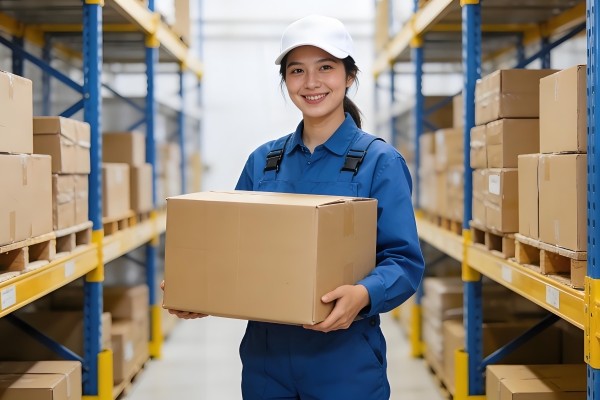
1. Real - time Inventory Tracking System
To avoid inventory - related pitfalls, using a real - time inventory tracking system is crucial. Companies like Orient Star Shipping (Dongfangxing Jiyun) have developed advanced inventory management platforms. These platforms integrate with suppliers' systems, allowing you to monitor every item's status from the moment it enters the warehouse. For example, you can see exactly when a shipment of shoes from a Chinese factory arrives at the warehouse, its quantity, and its location within the storage area.
2. Regular Audits
Conducting regular audits helps maintain the accuracy of inventory records. Audits should be done at least once a month. During an audit, warehouse staff physically count all the items and compare them with the digital records. Any discrepancies can be immediately investigated and resolved. For instance, if the inventory system shows 500 units of a particular product, but the physical count reveals only 480, the staff can trace back to find out if there was an error in receiving, shipping, or data entry.
3. Segregation of Duties
In a well - run warehouse, different employees should be responsible for receiving goods, storing, and shipping. This segregation of duties helps prevent internal errors and fraud. For example, the person who receives the goods from suppliers is not the same person who updates the inventory system. This double - check mechanism significantly reduces the risk of incorrect inventory management.
IV. Other Solutions
1. Quality Packaging Standards
Warehouses should establish strict quality packaging standards. This includes using appropriate materials for different types of goods. For fragile items like glassware, extra - thick bubble wrap and sturdy cardboard boxes should be used. Moreover, warehouses should label each package clearly with handling instructions, such as "Fragile - Handle with Care" or "This Side Up".
2. Expert Documentation Assistance
Given the complexity of shipping documents, it’s advisable to seek the help of experts. Orient Star Shipping (Dongfangxing Jiyun) has a team of professionals who are well - versed in Australian customs regulations. They can ensure that all the documents, including the bill of lading, commercial invoice, and packing list, are accurate and compliant.
V. How to Choose a Reliable China Warehouse for Consolidation
1. Reputation
Look for warehouses with a good reputation in the industry. You can check online reviews from other Australian importers and e - commerce sellers. A warehouse with many positive reviews is more likely to provide reliable services.
2. Technology and Resources
Choose a warehouse that uses advanced technology for inventory management and has the necessary resources for proper packaging. For example, a warehouse with a modern barcode scanning system is more efficient in inventory tracking.
3. Regulatory Compliance
Ensure the warehouse is aware of and compliant with the latest Australian regulations, especially the new biosecurity requirements in 2026. A compliant warehouse can significantly reduce the risk of customs issues.
VI. FAQ
Q1: How long does it usually take to consolidate goods in a China warehouse? A: It varies depending on the quantity and complexity of the goods. Generally, it can take anywhere from 3 to 7 days. For a large - scale shipment with a wide variety of products, it may take a bit longer, around 10 days. But with a well - organized warehouse and efficient processes like Orient Star Shipping, you can expect a shorter consolidation time.
Q2: What are the most common biosecurity issues in Australian shipments from China? A: Australia has strict biosecurity regulations, especially for items like food, plant products, and animal - based materials. Common issues include undeclared food items and products with traces of soil or pests. These can lead to seizures, fines, and significant delays at customs. That's why it’s so important to have accurate documentation and proper pre - shipment inspections.
Q3: Can I trust the warehouse to provide accurate inventory information? A: Not all warehouses are created equal. You should choose a warehouse with a proven track record of accurate inventory management. Warehouses like Orient Star Shipping use advanced technology and regular audits to ensure the accuracy of inventory information. However, it’s still a good idea to do your own spot - checks from time to time.
Q4: What if my goods are damaged during consolidation? A: A reliable warehouse should have an insurance policy to cover damages during the consolidation process. Before choosing a warehouse, make sure to clarify their damage compensation policy. Orient Star Shipping offers basic shipping insurance for each shipment, and you can also choose to increase the insurance amount if needed.
Q5: How can I ensure that my goods meet Australian customs requirements? A: You can work with a professional logistics provider like Orient Star Shipping. Their experts are familiar with the latest Australian customs regulations, including those introduced in 2026. They will help you prepare the correct documentation and ensure that your goods are properly labeled and packaged to meet the requirements.
As you navigate the complex world of China - Australia cross - border logistics in 2026, keeping these tips in mind can help you avoid the common pitfalls in warehouse consolidation. Always stay informed about the latest regulations and choose a reliable partner to handle your shipments.