


I. Introduction
Hey there, Australian small business owners, importers, and e - commerce sellers! As we navigate the year 2026, the world of cross - border logistics from China to Australia has seen some significant changes. One service that often comes up in the shipping process is package repacking. It might seem straightforward, but there are plenty of pitfalls that can cost you time and money. I've been in the cross - border logistics game for quite a while, and I've seen firsthand how these issues can derail a shipment. So, let's dive into what to avoid when it comes to package repacking for Australia shipping this year.
II. Common Mistakes in Package Repacking
Ignoring Australian Biosecurity Requirements In 2026, the Australian Department of Agriculture, Fisheries and Forestry (DAFF) has tightened its biosecurity regulations. A while back, I had a client, a home goods seller in Sydney, who wanted to ship some wooden handicrafts. The original packaging had some dirt and small pieces of leaves stuck to it. During repacking, they didn't clean the items properly. As a result, the shipment was held up at Port Botany for over a week. The DAFF required a thorough inspection and cleaning, which not only caused delays but also additional costs.It's crucial to ensure that all items are free from soil, plant matter, and pests. If the original packaging has any signs of biological contamination, it should be completely removed or sanitized during repacking.
Inappropriate Packaging Materials Using the wrong packaging materials can be a disaster. I once dealt with a 3C electronics seller from Melbourne. They chose a thin, flimsy cardboard box for repacking some high - value smartphones. The box couldn't withstand the rough handling during transit, and several phones were damaged upon arrival.When repacking, you need to select materials that can provide adequate protection. For fragile items like electronics, use shock - absorbing materials such as bubble wrap, foam inserts, or air pillows. And choose a sturdy cardboard box that can handle the weight and size of the items.
Poor Labeling Labeling is often overlooked, but it's a critical part of repacking. I remember an apparel importer based in Brisbane. They repacked a large batch of clothing, but the labels on the new packages were faded and unclear. The shipping carrier had trouble reading the destination addresses, which led to the shipment getting lost in transit for about two weeks.Make sure all labels are clear, legible, and contain the correct shipping and handling information. Include the recipient's name, address, contact number, and any special instructions.
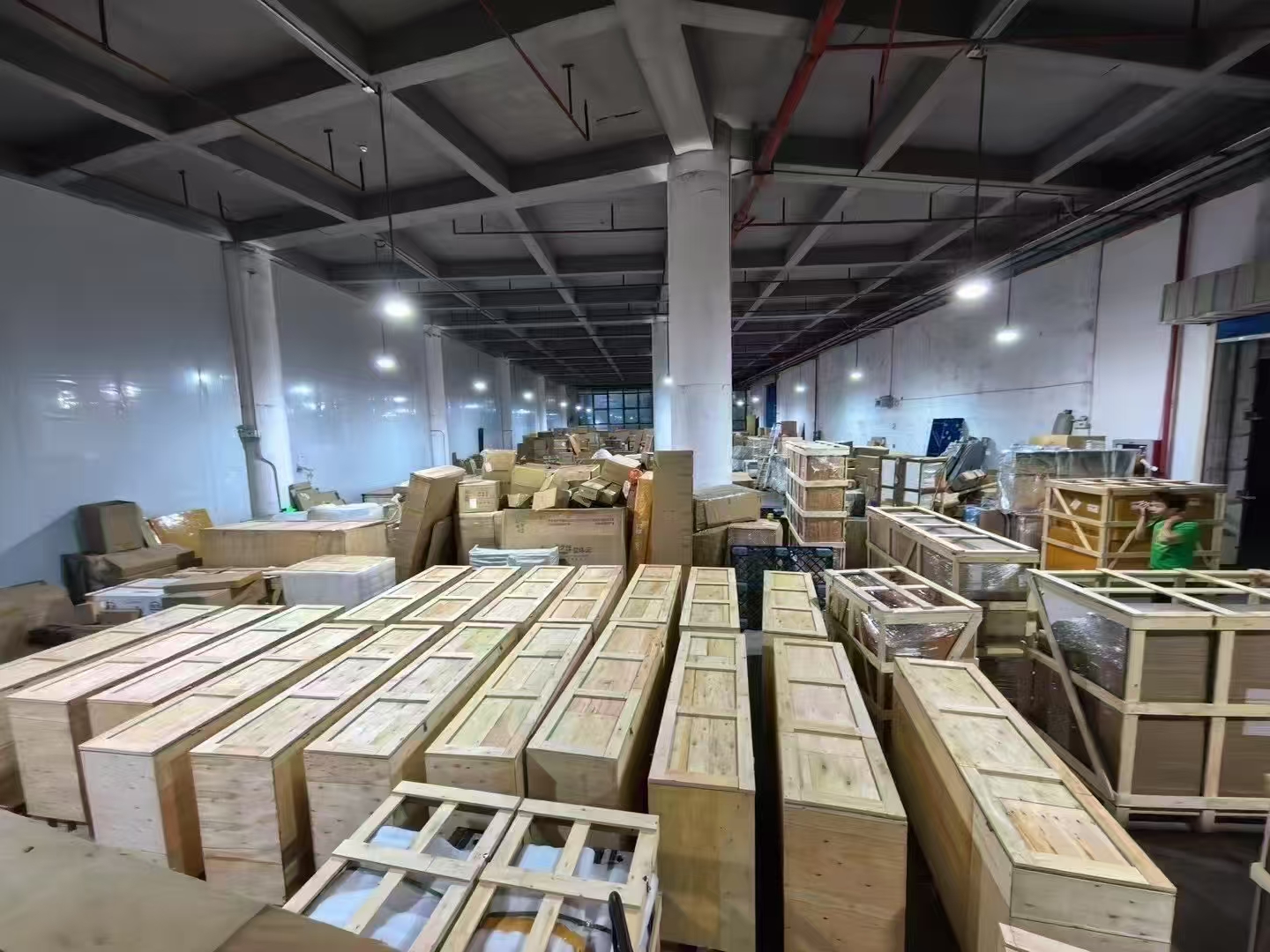
On the other hand, an e - commerce seller in Melbourne under - packed a shipment of glassware. The items were just loosely placed in a box without enough padding, and many pieces were broken during transit. You need to find the right balance and pack items just enough to ensure their safety without adding unnecessary bulk.
III. The Impact of These Mistakes on Your Business
Cost Increases Mistakes like improper packaging or labeling can lead to additional fees. For example, if a shipment is held up at customs due to non - compliance with biosecurity regulations, you may face storage fees, inspection fees, and even fines. Over - packaging also means higher shipping costs based on weight or volume.
Delivery Delays When a shipment is held for inspection or gets lost due to poor labeling, it can cause significant delays. This can be a big problem for e - commerce sellers who rely on timely deliveries to keep their customers happy. A delay of a few days can lead to negative reviews and loss of business.
Damage to Reputation If your customers receive damaged goods or experience long delivery delays, your reputation can take a hit. In today's competitive market, word spreads fast, and a single bad experience can lead to a loss of future customers.
IV. How to Avoid These Mistakes
Stay Informed about Regulations Regularly check for updates from the Australian Border Force (ABF) and DAFF regarding biosecurity and shipping regulations. You can also work with a logistics provider like Oriental Star Shipping, which has a team dedicated to keeping up with the latest policy changes. They can help you ensure that your repacking process complies with all the rules.
Choose the Right Logistics Partner A good logistics partner can make a huge difference. Oriental Star Shipping, for example, has over 13 years of experience in cross - border logistics between China and Australia. They offer professional packaging services that take into account all the necessary requirements. They can help you select the right packaging materials, label the packages correctly, and ensure that your items are packed safely.
Train Your Staff If you're handling the repacking in - house, make sure your staff is well - trained. Provide them with guidelines on proper packaging techniques, labeling requirements, and biosecurity regulations. Regular training sessions can help keep everyone up - to - date and reduce the risk of mistakes.
V. FAQ
Q: How can I tell if my package meets the Australian biosecurity requirements during repacking? A: It's a bit tricky, but you can start by thoroughly cleaning all items and removing any soil, plant matter, or pests. You can also refer to the official guidelines from the DAFF. If you're not sure, it's best to consult a logistics expert like those at Oriental Star Shipping. They can help you assess and ensure compliance.
Q: What should I do if my package is damaged during repacking? A: If you notice damage during repacking, stop the process immediately. Check if the item can be repaired or if you need to replace it. If it's a minor issue, you can repair it and then continue with the proper repacking. If it's a major problem, you may need to source a new item. And make sure to document the damage in case you need to file a claim.
Q: Can I use recycled packaging materials for repacking? A: You can use recycled materials, but make sure they are clean and in good condition. They should also meet the strength and protection requirements for your items. For example, if you're shipping heavy or fragile items, recycled materials may not provide enough support.
Q: How do I choose the right size of the box for repacking? A: Measure your items accurately and add some extra space for padding. You want the box to fit the items snugly with enough room for shock - absorbing materials. If the box is too large, the items may move around during transit and get damaged. If it's too small, you may not be able to pack the items safely.
Q: What if I'm shipping a large number of items and need to repack them in bulk? A: For bulk repacking, it's even more important to follow the proper procedures. You may want to consider outsourcing the repacking to a professional logistics provider like Oriental Star Shipping. They have the experience and resources to handle large - scale repacking efficiently and ensure compliance with all regulations.
As you continue to engage in cross - border shipping to Australia, keeping these tips in mind will help you avoid costly mistakes and ensure a smooth shipping process. So, take the time to do the repacking right, and you'll save yourself a lot of headaches in the long run.