


I. Introduction
In 2026, the Australian market remains a hot destination for small business owners, importers, and e - commerce sellers from China. However, parcel consolidation to Australia can be a minefield filled with potential pitfalls. I've been in the cross - border logistics business for years, and I've seen many clients stumble on these issues.
II. Common Pitfalls in Parcel Consolidation to Australia
1. Incorrect Declaration
One of the most common mistakes is incorrect declaration of goods. In 2026, the Australian Border Force (ABF) has tightened its regulations. For example, I had a client back in 2026 who was an apparel importer in Sydney. They declared their clothing items simply as "clothes" without specifying the fabric type, brand, and country of origin in detail. As a result, their shipment was held up at Port Botany for over 10 days for further inspection. The final outcome was that they had to pay additional fees for the storage and inspection, and their business operations were severely disrupted.
2. Ignoring Biosecurity Requirements
Australia has strict biosecurity regulations, especially for goods that are of plant or animal origin. A home goods seller in Melbourne once shipped some wooden handicrafts without realizing that they needed to be treated for pests and diseases. The Department of Agriculture, Fisheries and Forestry (DAFF) intercepted the shipment at the Port of Melbourne. The goods were eventually destroyed, and the seller suffered a significant financial loss.
3. Inadequate Packaging
Poor packaging can lead to damaged goods during transit. A 3C electronics seller in Brisbane sent a batch of smartphones with insufficient padding. When the parcels arrived, many of the phones were damaged due to rough handling during shipping. This not only cost the seller money in terms of replacement products but also damaged their reputation among customers.
III. How to Avoid These Pitfalls
1. Accurate Declaration
It's crucial to provide accurate and detailed information about your goods. Use the correct Harmonized System (HS) codes for classification. For example, if you're shipping a pair of leather shoes, you should declare the leather type (e.g., cowhide), the style of the shoes, and the country where they were manufactured. This will help the customs authorities process your shipment more smoothly.
2. Comply with Biosecurity Regulations
Before shipping any goods that may be subject to biosecurity requirements, check the DAFF's official website. If your goods are wooden, make sure they are treated and have the necessary certificates. For food products, ensure they meet the import standards for ingredients and labeling.
3. Proper Packaging
Invest in high - quality packaging materials. For fragile items like electronics, use bubble wrap, foam inserts, and sturdy boxes. Label your parcels clearly as "fragile" to alert the handlers.
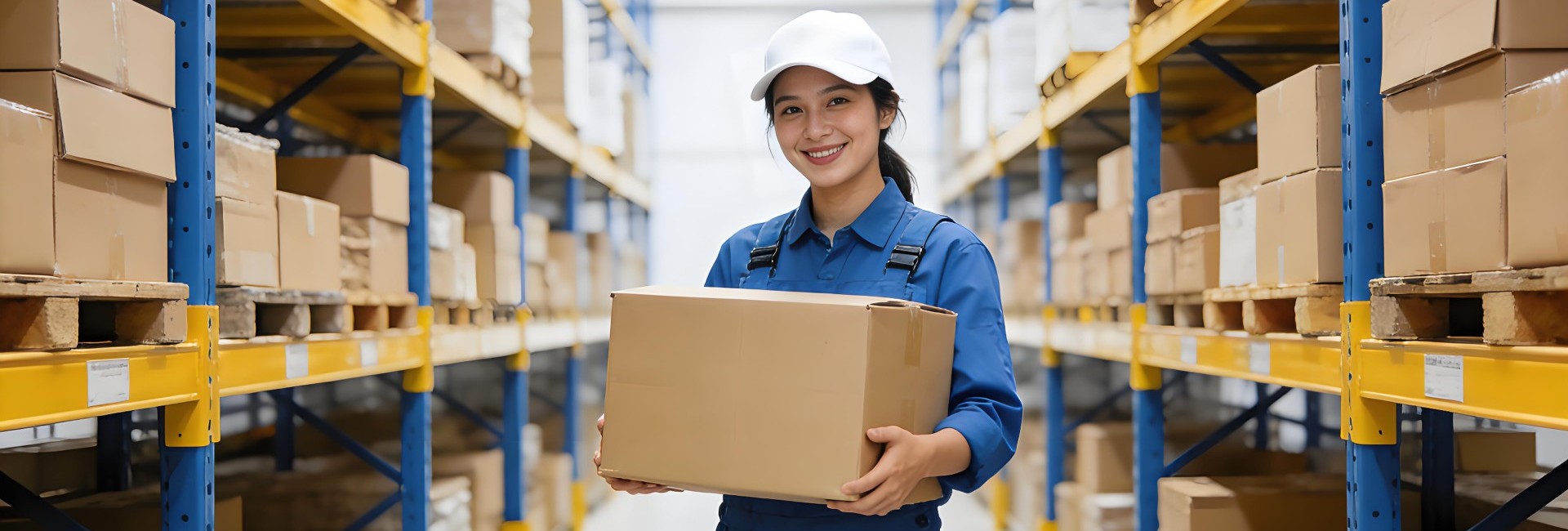
IV. The Role of a Reliable Logistics Partner
1. Expertise and Experience
A reliable logistics partner, like Eastern Star Consolidation, can be a game - changer. With 13 years of practical experience in the logistics industry, their core team understands the ins and outs of cross - border shipping to Australia. They can help you navigate through the complex customs procedures and ensure your goods comply with all regulations.
2. Comprehensive Services
Eastern Star Consolidation offers a wide range of services, including free storage for up to 180 days, package inspection, repackaging, and door - to - door delivery. They can help you consolidate your parcels efficiently, saving you time and money.
3. Digital Tracking
They have a well - developed digital service system that allows you to track your shipment in real - time. You'll be notified immediately if there are any issues or delays, so you can take appropriate actions.
V. Comparison of Shipping Channels
| Shipping Channel | Reference Time | Cost | Suitable for |
|---|---|---|---|
| Australia Sea Express | 20 - 25 natural days | Moderate | Personal consolidation, cross - border e - commerce, small - to - medium batch goods |
| Australia Sea Regular | 25 - 30 natural days | Low | Goods with less strict time requirements, large - volume goods |
| Australia Air Express | As fast as 3 days | High | Urgent restocking, important documents, small high - value items |
| Australia Air Economy | 10 - 15 days | Moderate | Customers who don't need extreme speed but don't want to wait for sea freight |
VI. FAQ
Q: My business is in a remote area of Australia. Can Eastern Star Consolidation deliver to my place? A: They cover about 95% of the deliverable postcode areas in Australia, including some remote areas. However, whether delivery to a specific remote area is possible, if there are additional fees, and the estimated delivery time will be confirmed by checking the specific postcode before shipping.
Q: What if my goods are held up at customs? A: Eastern Star Consolidation has a professional team to handle customs issues. They'll follow up on the situation, provide you with updates, and assist you in resolving any problems, such as providing missing documents or clarifying declarations.
Q: How can I get a shipping plan? A: You just need to provide the name, quantity, weight, and volume of your goods, the shipping location, the Australian receiving postcode, and the expected arrival time. Then they can match the appropriate shipping channel for you.
Q: Are there any insurance options for my shipment? A: Yes, each shipment includes basic transportation insurance. You can also choose to increase the insurance amount. The insurance terms and compensation rules are clearly stated in advance, so you'll know exactly what to expect in case of an accident.
Q: Can I store my goods in their warehouse for an extended period? A: They offer free storage for up to 180 days. This is useful for consolidating orders from different suppliers and then shipping them together at a more convenient time.
In conclusion, by being aware of the common pitfalls, following the right procedures, and choosing a reliable logistics partner, you can ensure a smooth and efficient parcel consolidation process to Australia in 2026.