


I. Introduction
Are you an Australian small business owner, importer, or e-commerce seller looking to import goods from China? Door-to-door sea freight can be a cost-effective solution, but it comes with its own set of challenges. I've been in the cross - border logistics industry for a while, and I've seen many businesses stumble on the way. In 2026, there have been some significant policy changes and industry trends that you need to be aware of.
II. 2026 Policy and Industry Updates in China - Australia Sea Freight
1. Customs and Biosecurity
In 2026, the Australian Border Force (ABF) and the Department of Agriculture, Fisheries and Forestry (DAFF) have tightened up the biosecurity regulations. For instance, they're paying more attention to wooden products, food items, and anything of animal or plant origin. I had a client last month who was importing wooden furniture from a trade factory in China. The products were held up at Port Botany because of improper fumigation certificates. The new rules require more detailed and accurate documentation, and any non - compliance can lead to significant delays and additional costs.
2. Shipping Routes and Capacity
There have been some adjustments in the shipping routes between China and Australia. Some shipping lines have optimized their schedules, which can sometimes lead to better transit times but also means you need to be more flexible with your shipping dates. Also, due to the global economic situation, shipping capacity has been a bit tight. Sometimes, you might have to book your space well in advance, especially during peak seasons.
III. Core Segment: Benefits and Drawbacks of Door - to - Door Sea Freight
1. Benefits (40% of the article)
Cost - effectiveness: Door - to - door sea freight is generally much cheaper than air freight. For a home goods seller who is importing a large quantity of products, the cost savings can be substantial. Take a home goods seller in Melbourne. If they were to import a container full of furniture, the sea freight cost might be around AUD 3,500 for door - to - door service, while air freight could cost ten times as much.Suitability for Large - volume Goods: It's the ideal choice for businesses that need to transport large and heavy items. An apparel importer in Sydney, for example, can easily ship thousands of pieces of clothing in a single container. They don't have to worry about weight restrictions as they would with air freight.
Full - service Convenience: With door - to - door service, you don't have to deal with multiple parties. The logistics provider takes care of everything from picking up the goods at the Chinese supplier's warehouse to delivering them to your doorstep in Australia. This reduces your administrative burden and the risk of miscommunication between different carriers.
2. Drawbacks
Longer Transit Times: Compared to air freight, sea freight takes significantly longer. The average transit time for door - to - door sea freight from China to Australia is around 25 - 30 days, depending on the port of departure and arrival. This might not be suitable for businesses that need to restock their inventory quickly or have time - sensitive orders.Higher Risk of Delays: There are many factors that can cause delays, such as bad weather, port congestion, and customs inspections. I remember a time when a 3C electronics seller in Brisbane was expecting a shipment of smartphones. The vessel got stuck due to a typhoon, and the delivery was delayed by almost a week. This could lead to lost sales opportunities and unhappy customers.
Complex Documentation: The paperwork involved in sea freight is more complex compared to other shipping methods. You need to provide accurate information about the goods, including the Harmonized System (HS) codes, which determine the customs duties and tax rates. Incorrect documentation can lead to customs hold - ups and additional fines.
IV. Choosing the Right Logistics Provider
1. Experience and Reputation
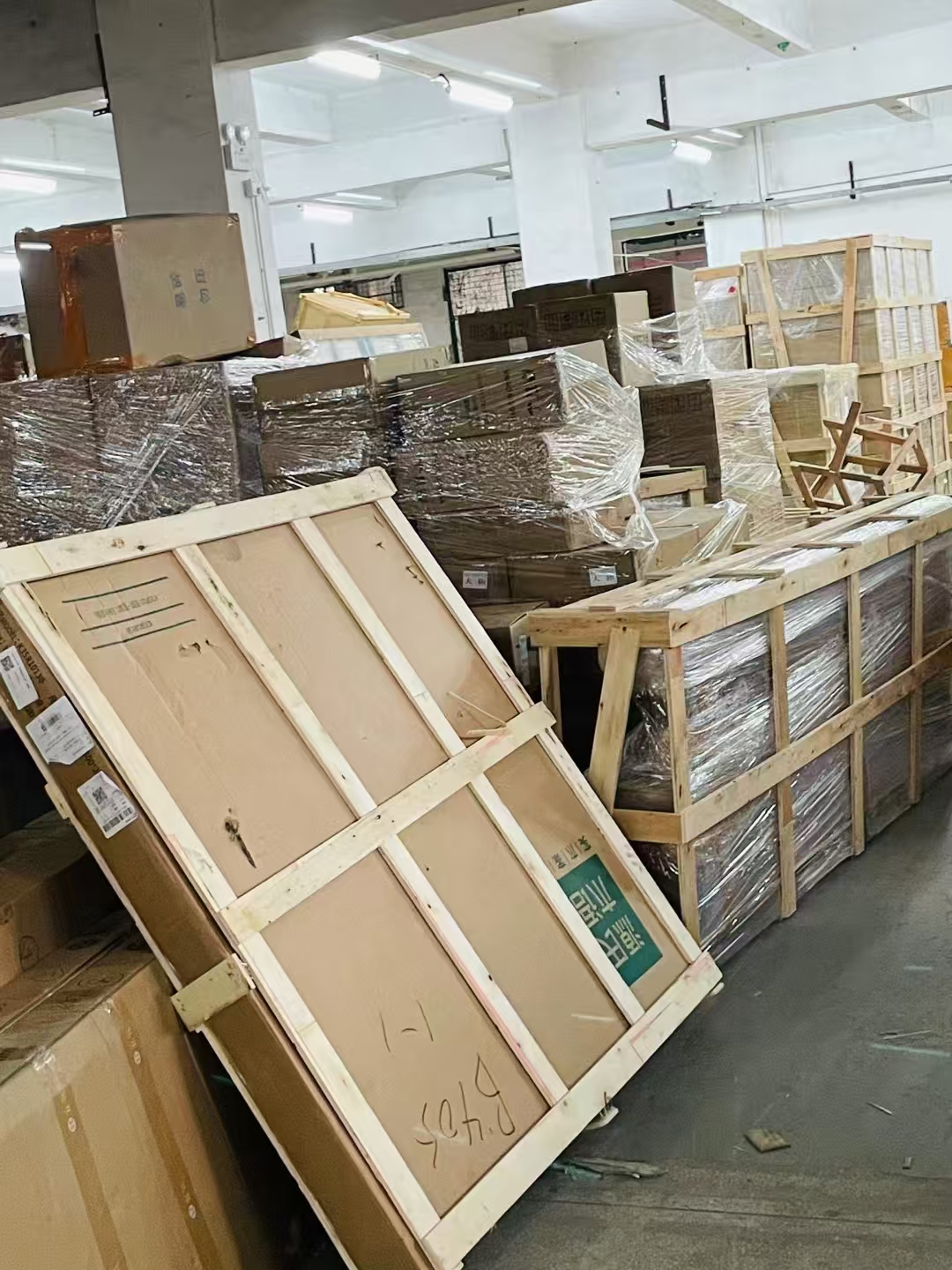
Look for a logistics provider with a proven track record in handling China - Australia sea freight. For example, Oriental Star Shipping is a reliable choice. Their core team has 13 years of practice experience in the logistics industry. They've built a good reputation for handling complex shipments and ensuring smooth customs clearance.
2. Service Offerings
A good provider should offer a comprehensive range of services, including packing, warehousing, customs clearance, and local delivery. Oriental Star Shipping provides a long - term free warehousing service of up to 180 days, which is great for businesses that want to consolidate their shipments. They also have different shipping options, like fast - shipping and economy - shipping, to meet different needs.
3. Pricing and Transparency
Get quotes from multiple providers and compare their prices. Make sure the quotes are all - inclusive and there are no hidden fees. Oriental Star Shipping is known for its transparent pricing policy. They clearly state all the costs involved in the door - to - door service, so you know exactly what you're paying for.
V. FAQ
Q1: How can I ensure that my goods pass the Australian biosecurity inspection? A: You should provide accurate and detailed information about your goods. For example, if you're importing food items, you need to list all the ingredients and their origins. Also, make sure your goods meet the Australian biosecurity standards. It's a good idea to work with a logistics provider that has expertise in handling these regulations, like Oriental Star Shipping. They can provide pre - shipment advice and help you prepare the necessary documentation.
Q2: What if my shipment is delayed? Can I get compensation? A: It depends on the reason for the delay. If the delay is caused by the logistics provider's negligence, they might offer some form of compensation. However, if it's due to不可抗力 factors like bad weather or port congestion, it's less likely. When you choose a provider, check their terms and conditions regarding delays and compensation. Oriental Star Shipping offers some basic transportation insurance for each shipment, which can provide some protection in case of unexpected delays or losses.
Q3: How do I choose between different shipping options? A: Consider your budget, the nature of your goods, and your delivery timeline. If you need your goods quickly and budget is not a major concern, you might choose a faster shipping option. If you're shipping large - volume and non - urgent goods, an economy shipping option would be more suitable. Oriental Star Shipping can assist you in evaluating your needs and recommending the most appropriate shipping option.
Q4: Can I track my shipment? A: Most logistics providers, including Oriental Star Shipping, offer shipment tracking services. You can track the progress of your goods from the moment they leave the supplier's warehouse in China until they reach your doorstep in Australia. Through their digital platforms, you can get real - time updates on the location and status of your shipment.
Q5: What kind of documentation do I need for door - to - door sea freight? A: You'll typically need a commercial invoice, a packing list, a bill of lading, and relevant customs declarations. For goods subject to biosecurity regulations, additional certificates may be required. Oriental Star Shipping can guide you through the documentation process and ensure that all the necessary paperwork is in order.
In 2026, door - to - door sea freight from China to Australia can be a great option for your business, but it requires careful planning and choosing the right partner. By staying informed about the policies and working with a reliable logistics provider, you can ensure a smooth and cost - effective shipping experience.