


I. Introduction
Moving furniture internationally to Australia can be a complex process, especially with the upcoming 2026 Australian Border Force (ABF) and Department of Agriculture, Fisheries and Forestry (DAFF) regulations. I've seen many small business owners, importers, and e - commerce sellers stumble in this area. For instance, a home goods seller I worked with in 2025 faced significant delays and extra costs when shipping furniture from China to Sydney. The shipment was held up at Port Botany due to non - compliance with the then - existing biosecurity regulations. In 2026, the rules are expected to get even stricter, so it's crucial to know what to avoid.
II. Common Mistakes in Furniture Removal to Australia
1. Inadequate Biosecurity Preparation
Problem: Australia has strict biosecurity laws to protect its unique ecosystem. Furniture, especially wooden items, can carry pests, diseases, or contaminants. Many importers don't properly clean and treat their furniture before shipping. For example, a trade factory in China once shipped a batch of wooden chairs to Melbourne without removing all the soil and debris from the wood. The chairs were infested with a type of beetle that is not native to Australia.Consequence: When the shipment arrived at the Port of Melbourne, it was quarantined by DAFF. The importer had to pay for the treatment of the chairs to eliminate the pests, which cost an additional AUD 3,400. Moreover, the delay in delivery affected the importer's business operations as they couldn't meet the demand of their local customers on time.
Solution: Before shipping, thoroughly clean all furniture. For wooden items, ensure they are treated according to Australian standards. You can use heat treatment or chemical treatment, but make sure to get proper documentation to prove the treatment has been done.
2. Incorrect Documentation
Problem: Failing to provide accurate and complete documentation is a common issue. This includes incorrect HS codes, inaccurate descriptions of the furniture, and missing certificates. An apparel importer who also dabbled in importing some decorative furniture to Brisbane once mis - classified the furniture under the wrong HS code.Consequence: The mis - classification led to incorrect calculation of duties and taxes. The ABF flagged the shipment, and the importer had to pay the correct amount, along with penalties of approximately AUD 1,200. There was also a delay of roughly 14 days in releasing the shipment.
Solution: Be meticulous when filling out all the required forms. Consult with a professional customs broker or an experienced freight forwarder like Eastern Star Shipping. They can help you determine the correct HS codes and ensure all documentation is in order.
3. Not Understanding INCOTERMS
Problem: Many small business owners are not familiar with the latest INCOTERMS 2020. For example, a 3C electronics seller who decided to import some furniture on a whim and chose the wrong INCOTERM. They thought they were getting a better deal with an FCA (Free Carrier) agreement but didn't realize they were responsible for much more than they anticipated.Consequence: They had to handle the export clearance, loading, and all the transportation arrangements up to the carrier. This led to a lot of unexpected costs and logistical headaches. They ended up spending about AUD 2,000 more in additional services they didn't plan for.
Solution: Understand the different INCOTERMS and choose the one that best suits your business needs. A reliable freight forwarder can explain the implications of each INCOTERM and help you make an informed decision.
III. The Role of a Professional Freight Forwarder
1. Eastern Star Shipping: A Case in Point
I've been in the industry for years, and I can attest to the importance of working with a professional freight forwarder like Eastern Star Shipping. They specialize in the China - Australia route and have a deep understanding of the 2026 regulations.
Full - service offering: They provide a range of shipping services, including sea freight (both fast and regular) and air freight. For large - scale furniture import, sea freight might be a more cost - effective option. Their sea freight fast service from their warehouse in China has a reference time of about 20 - 25 natural days, which is quite reasonable for balancing cost and time.Biosecurity expertise: They have a team dedicated to ensuring that all furniture shipments comply with Australian biosecurity laws. They can guide you through the cleaning and treatment process and obtain the necessary certificates.
Documentation support: They assist with all the paperwork, from filling out the customs declaration forms to providing accurate HS codes. This takes a huge burden off the importers' shoulders and reduces the risk of errors.
2. Benefits of Using a Freight Forwarder
Cost - savings: Although you pay a fee for their services, a freight forwarder can often negotiate better rates with carriers. They can also help you avoid costly mistakes like incorrect documentation or non - compliant shipments.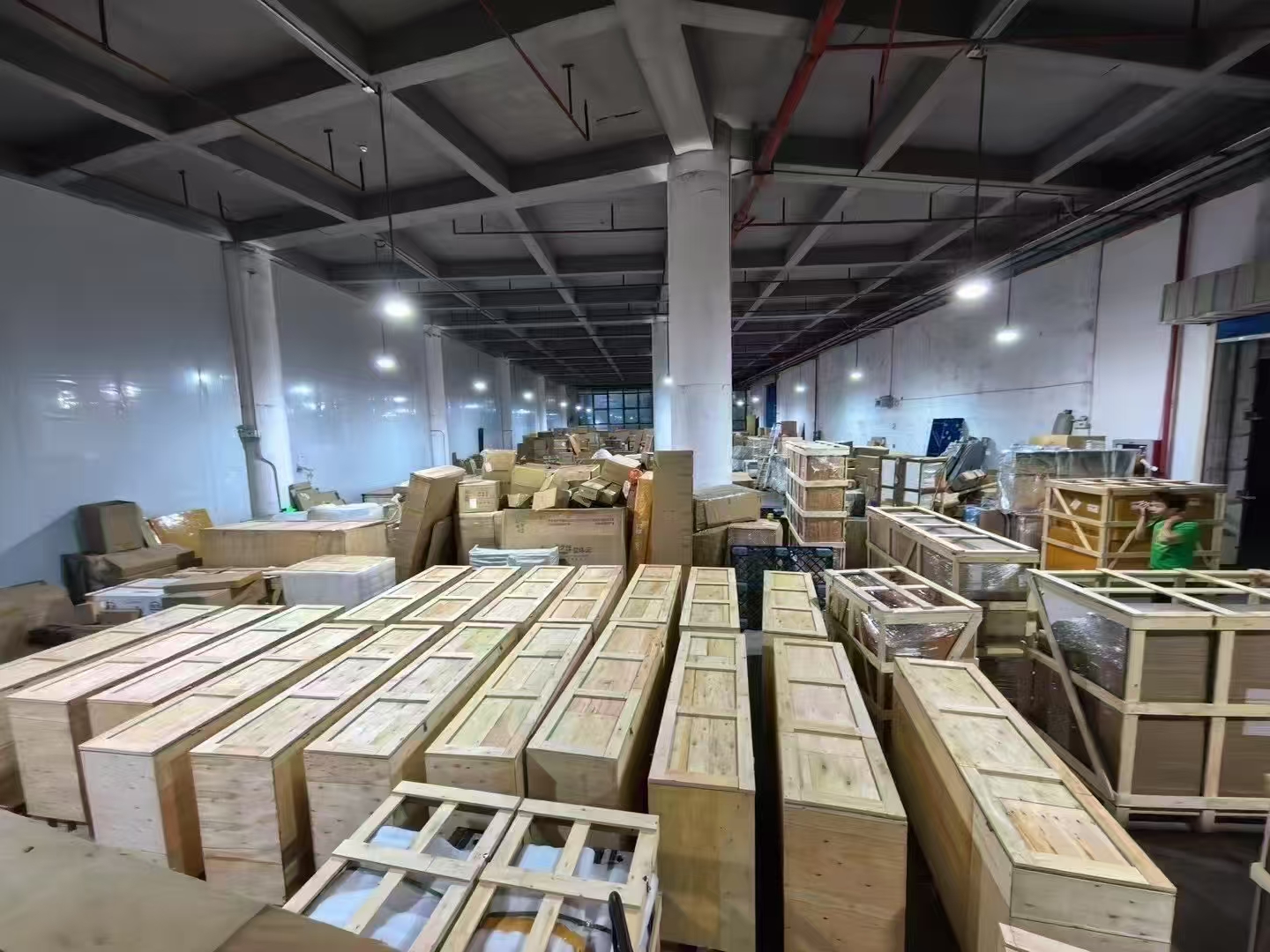
IV. Choosing the Right Shipping Method
1. Sea Freight
Advantages: Sea freight is generally more cost - effective for large - volume furniture shipments. If you're importing a large quantity of furniture from China to Australia, sea freight can save you a significant amount of money. For example, shipping a 40 - foot container of furniture from Shanghai to Sydney via sea freight can cost around AUD 5,000 - 7,000, depending on the season and other factors.Limitations: It has a longer transit time. The regular sea freight service can take about 25 - 30 natural days, which might not be suitable for urgent orders. There is also a higher risk of damage during the long - distance journey, and you need to plan your inventory management accordingly.
2. Air Freight
Advantages: Air freight is much faster. The fast air freight service can deliver your furniture in as little as 3 days. This is ideal for urgent orders or high - value, small - volume furniture items.Limitations: It is significantly more expensive. Shipping the same quantity of furniture by air can cost 3 - 5 times more than sea freight. There are also weight and size restrictions for air cargo, so not all furniture can be shipped by air.
V. FAQ
1. How can I ensure my furniture complies with Australian biosecurity laws?
Well, it's a multi - step process. First, thoroughly clean your furniture to remove any dirt, debris, or pests. For wooden furniture, consider heat treatment or chemical treatment. Make sure to get certificates to prove the treatment. You can also work with a professional freight forwarder like Eastern Star Shipping. They have the expertise to guide you through the entire process.
2. What if my shipment is held up at customs due to incorrect documentation?
If that happens, don't panic. Contact your freight forwarder immediately. They'll work with customs to correct the documentation. You may have to pay some penalties, but a good forwarder can often minimize the impact. In the future, double - check all your paperwork or let your forwarder handle it to avoid such issues.
3. Can I use sea freight for small - volume furniture shipments?
Yes, you can. For small - volume shipments, you can choose the less - than - container - load (LCL) option in sea freight. It's more cost - effective than air freight for non - urgent small shipments. However, it might take a bit longer as the shipment needs to be consolidated with other goods.
4. Is it worth using a freight forwarder?
Absolutely. A freight forwarder can save you time and money in the long run. They have the knowledge and experience to handle all the complex aspects of international furniture removal, from biosecurity compliance to customs clearance. They can also negotiate better rates with carriers and help you avoid costly mistakes.
5. What are the main differences between the 2026 and previous regulations?
The 2026 regulations are expected to be even stricter in terms of biosecurity. There will be more detailed requirements for the treatment of wooden products and a closer inspection of all furniture items. Also, the documentation requirements are likely to be more stringent, so make sure you're well - prepared.