


I. Introduction
You're an Australian small business owner, importer, or e - commerce seller. You've got goods coming from China, and you're looking to use door - to - door sea freight. Sounds straightforward, right? Not quite. Sea freight might seem like a reliable option, but there are numerous potential pitfalls that can cost you time, money, and a massive headache. I've been in the cross - border logistics front - line for a while, and I've seen it all. Let me share some insights to help you avoid these common mistakes.
II. Common Pitfalls and How to Avoid Them
1. Incorrect Documentation
The Problem: Back in 2025, I had a client who was an apparel importer in Sydney. He was shipping a large batch of clothing from China. His team had filled out the documentation in a hurry and misclassified the goods. The Australian Border Force (ABF) caught the error during the customs clearance process. As a result, the shipment was held up for roughly 14 days, and he had to pay hefty fines for the incorrect declaration.The Solution: Ensure that all your documents are accurate. This includes the bill of lading, commercial invoice, and packing list. Use the correct HS codes. For example, clothing is classified under different HS codes depending on the material, style, etc. If you're not sure, consult with a freight forwarder or a customs broker. Most importantly, double - check all the information before submitting the documents.
2. Biological Safety Regulations
The Problem: A home goods seller in Melbourne once ordered a shipment of wooden furniture from a Chinese trade factory. The wood had not been properly treated to meet Australia's biological safety requirements. When the shipment reached Port of Melbourne, the Department of Agriculture, Fisheries and Forestry (DAFF) intercepted it. The furniture had to be treated at the seller's expense, which added a significant cost to the shipment.The Solution: In 2026, Australia has tightened its biological safety regulations for incoming goods. Before shipping any goods that may be subject to these rules, such as wood, food, or plant products, make sure they comply with DAFF's requirements. You can check the official DAFF website for the latest regulations and treatment requirements. Also, inform your Chinese suppliers about these regulations in advance.
3. Incorrect Incoterms Selection
The Problem: A 3C electronics seller in Brisbane selected the FOB (Free on Board) incoterm for a large shipment. He thought it would give him more control. However, he didn't account for the potential delays and costs at the Chinese port. There was a delay in loading the goods, and he ended up paying additional storage fees. By the time the goods arrived in Brisbane, the delay had affected his sales cycle.The Solution: Understand the different INCOTERMS 2020 and choose the one that best suits your needs. If you want more control over the shipment process from start to finish, DDP (Delivered Duty Paid) might be a better option. But keep in mind that it also comes with higher costs. Analyze your business situation, risk tolerance, and budget before making a decision.
4. Unforeseen Delays
The Problem: I've seen many cases where shipments are delayed due to unforeseen circumstances. For instance, bad weather conditions can cause port closures or delays in vessel schedules. In one case, a shipment from China to Sydney was delayed for about 10 days because of a typhoon in the South China Sea.The Solution: Factor in some buffer time in your delivery schedule. You can also choose a freight forwarder that offers some form of delay compensation or at least provides accurate information about the vessel's schedule. Keep an eye on weather forecasts and other potential disruptors during the shipping period.
III. The Role of a Reliable Freight Forwarder
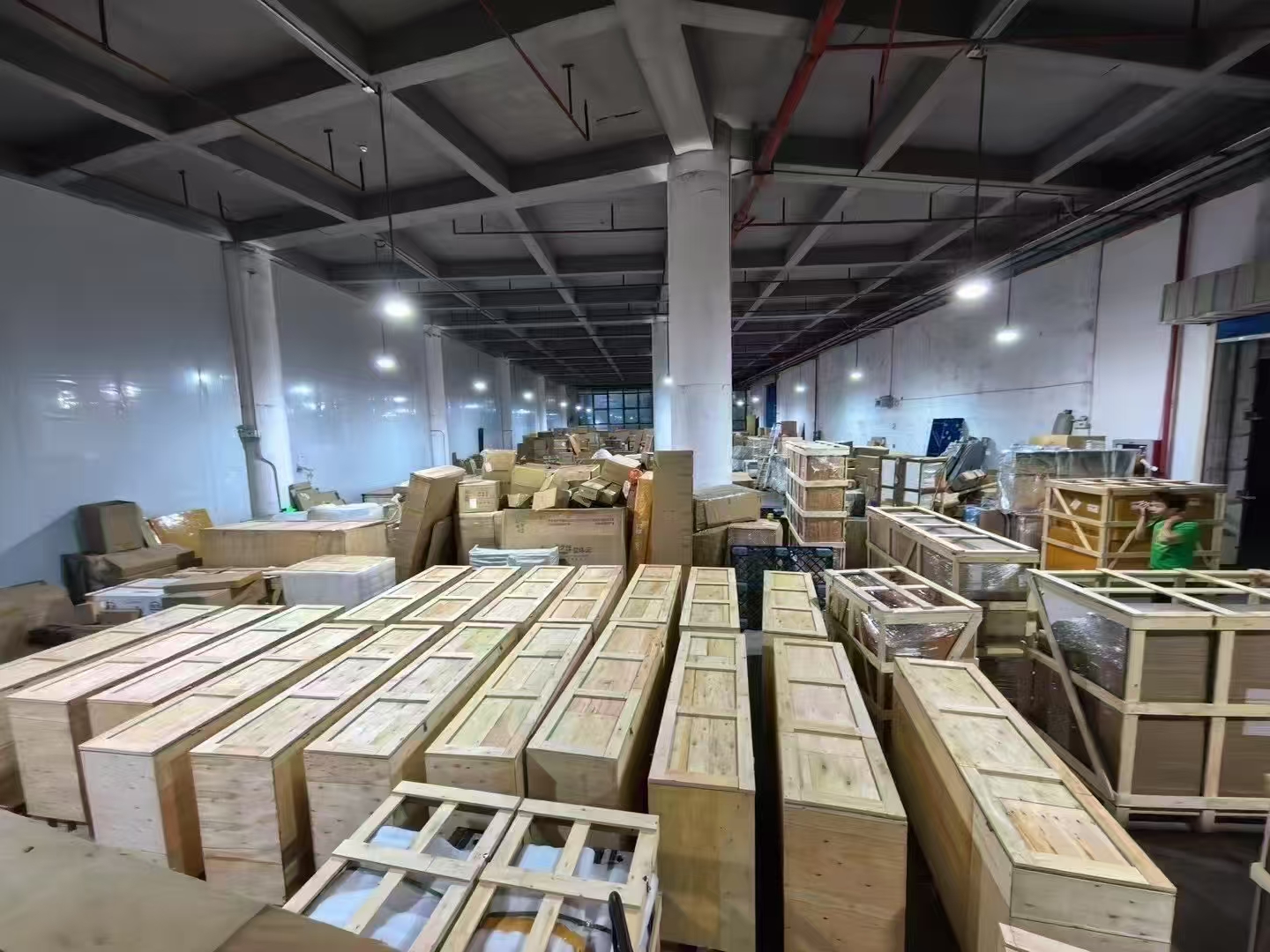
1. Expertise in Documentation and Customs Clearance
A good freight forwarder, like Eastern Star Cargo (Orient Star Freight), has in - depth knowledge of the documentation requirements for China - Australia sea freight. They can help you fill out the forms correctly and ensure that all the necessary documents are submitted on time. They also have experience dealing with the ABF and can handle any issues that may arise during the customs clearance process.
2. Cost - Effective Solutions
Eastern Star Cargo can analyze your shipment needs and recommend the most cost - effective shipping options. They have access to a wide range of carriers and can negotiate better rates on your behalf. For example, they can help you decide between a full container load (FCL) and a less - than - container load (LCL) based on the volume of your goods.
3. Network and Resources
With their extensive network and resources, reliable freight forwarders can provide door - to - door service. They can handle the domestic transportation in China, the international sea freight, and the final delivery in Australia. They also have partnerships with local delivery companies in Australia, ensuring that your goods reach your doorstep safely and on time.
IV. FAQ
Q1: How long does door - to - door sea freight from China to Australia usually take? A: It depends on the shipping route, the type of vessel, and other factors. Generally, it takes around 20 - 30 days. However, this is just an estimate, and actual delivery times can be affected by things like weather, port congestion, and customs clearance. Eastern Star Cargo can give you a more accurate estimate based on your specific shipment details.
Q2: Can I track my shipment? A: Yes, most freight forwarders, including Eastern Star Cargo, offer tracking services. You can use the tracking number provided to monitor the status of your shipment at every stage, from the warehouse in China to your door in Australia.
Q3: What happens if my goods are damaged during transit? A: Eastern Star Cargo provides basic shipping insurance for each shipment. They will also work with you to file a claim in case of damage. The insurance terms and compensation amount are based on the declared value of your goods. You can also choose to increase the insurance coverage if needed.
Q4: Are there any restrictions on the types of goods I can ship? A: Yes, Australia has strict regulations on certain types of goods, such as food, drugs, plants, and animal products. You need to ensure that your goods comply with the relevant Australian regulations. Eastern Star Cargo can help you check the compliance and guide you through the necessary procedures.
Q5: How can I choose the best shipping option for my business? A: Consider factors like the volume of your goods, your budget, and your delivery time requirements. If you have a large volume of goods and time is not a critical factor, FCL might be a good option. For smaller volumes, LCL could be more cost - effective. A freight forwarder like Eastern Star Cargo can analyze your needs and recommend the most suitable option.
When it comes to door - to - door China - Australia sea freight, being informed and proactive is the key to avoiding pitfalls. By following these tips and working with a reliable freight forwarder, you can ensure that your goods arrive safely and on time. Always stay updated on the latest regulations and market trends to make the best decisions for your business.