


I. Introduction
Hey there, Aussie small business owners, importers, and e - commerce sellers! In 2026, the landscape of cross - border logistics from China to Australia has seen some significant changes, especially with the new policies from the Australian Border Force (ABF). I've been in the cross - border logistics game for quite a while, and I've witnessed firsthand how these changes can impact your online shopping shipments. You might be wondering, "What are the best shipping channels that can balance cost, speed, and reliability?" Well, stick around, and I'll share my practical experience and knowledge to help you make the right choices.
II. Factors Affecting the Choice of Shipping Channels
Cost Considerations Shipping cost is often a top concern for most businesses. Different shipping channels have different price structures. For example, sea freight is generally cheaper than air freight. But you also need to consider additional costs like customs duties, taxes, and local handling fees. I once had a client, a home goods seller in Sydney, who initially chose air freight for a large batch of products because of the perceived speed. However, the high cost of air freight ended up eating into a significant portion of their profit margin. Eventually, we switched to sea freight for subsequent shipments, which saved them a considerable amount of money.Delivery Time The time it takes for your goods to reach Australia can have a huge impact on your business operations. If you're running an e - commerce store, long delivery times can lead to customer dissatisfaction. Air freight is much faster, with some express services delivering within 3 - 5 days. Sea freight, on the other hand, can take anywhere from 20 - 30 days. For instance, a 3C electronics seller in Melbourne needed to restock a popular smartphone model quickly to meet the high demand during the holiday season. We recommended air freight, and the products arrived in just 4 days, allowing them to capitalize on the market opportunity.
Goods Characteristics The nature of your goods also plays a crucial role in choosing the shipping channel. Fragile items, perishables, and high - value goods might require special handling and faster shipping. For example, apparel importers often deal with lightweight and non - fragile products, which are well - suited for sea freight. But if they're launching a new fashion line with a tight deadline, air freight might be a better option. I remember an apparel importer based in Brisbane who was launching a new summer collection. They decided to use air freight to ensure the new clothes arrived in time for the start of the summer season.
III. In - depth Analysis of Main Shipping Channels (40% of the text)
Air Freight Advantages Speed: As mentioned earlier, air freight is incredibly fast. The fastest shipping options can get your goods from a Chinese warehouse to an Australian port in just a few days. This is ideal for urgent orders, small - quantity shipments, and high - value items. For example, if you're importing high - end watches for your luxury goods store in Sydney, air freight can ensure they reach your customers quickly and safely.Reliability: Airlines generally have strict schedules, which means your goods are more likely to arrive on time compared to sea freight. There are fewer delays due to weather conditions (although there can still be some), and the overall process is more streamlined.
Limitations Cost: Air freight is significantly more expensive than sea freight. The high cost per kilogram can be a major deterrent for large - scale or bulk shipments. For example, if you're importing furniture or large - volume goods, the cost of air freight could be prohibitive.
Weight and Volume Restrictions: Airlines have limitations on the weight and size of the cargo they can carry. Oversized or overweight shipments may require special arrangements or incur additional fees.
Sea Freight Advantages Cost - Efficiency: Sea freight is the most cost - effective option for large - volume shipments. If you're importing a large quantity of goods, such as a container full of home goods or electronics, the cost per unit will be much lower compared to air freight. A trade factory in Perth that imports raw materials in large quantities found that using sea freight saved them around 60% on shipping costs compared to air freight.
Capacity: There are no strict weight or volume limitations on sea freight, as long as your goods can fit into a shipping container. This makes it suitable for a wide range of products, from large machinery to dense consumer goods.
Limitations Long Delivery Time: Sea freight takes much longer than air freight. The journey can take several weeks, which can be a problem if you need your goods urgently.
Higher Risk of Delays: Sea freight is more vulnerable to delays caused by factors such as bad weather, port congestion, and labor strikes. For example, during the peak shipping season, ports like Port Botany in Sydney can experience significant congestion, leading to longer waiting times for shipments.
Express Shipping Services Advantages Convenience: Express shipping services like DHL, FedEx, and UPS offer door - to - door delivery. They handle all the logistics, including customs clearance, which is very convenient for small business owners who don't have the resources to deal with complex shipping procedures.
Tracking: These services usually provide real - time tracking information, allowing you to monitor the progress of your shipment at any time.
Limitations High Cost: Express shipping is even more expensive than air freight, especially for larger shipments. The cost can be a deal - breaker for businesses on a tight budget.
Size and Weight Restrictions: Similar to air freight, express shipping services have limitations on the size and weight of the packages they can handle.
IV. Other Important Considerations
Customs Clearance Australia has strict customs regulations, especially when it comes to bio - security. You need to ensure that all your goods are properly declared and comply with the Australian government's requirements. I've seen cases where importers faced delays or fines because they didn't provide accurate information about their goods. For example, if you're importing food products or items made from animal or plant materials, you need to provide detailed documentation to the Australian Department of Agriculture, Fisheries and Forestry (DAFF).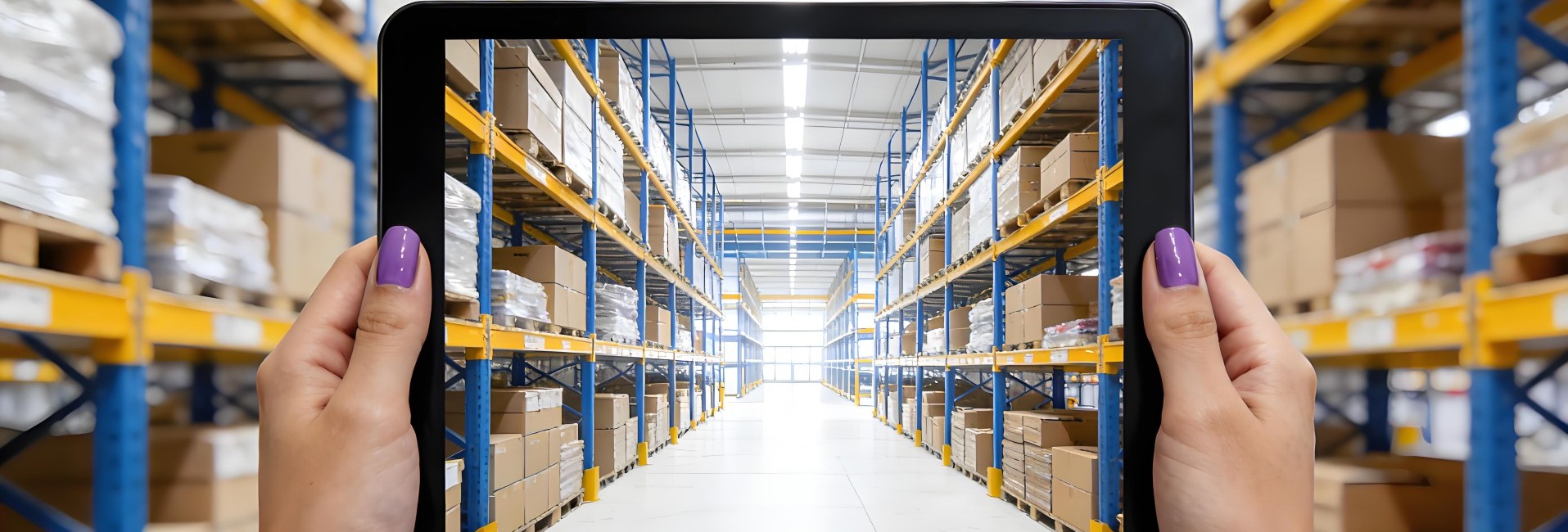
Insurance It's always a good idea to insure your shipments. Accidents can happen during transit, such as damage to the goods, loss, or theft. Many shipping companies offer insurance options, but make sure you understand the terms and conditions before purchasing. For example, some insurance policies may not cover certain types of damage or losses.
V. FAQ
Q: How can I get an accurate shipping quote? A: To get an accurate shipping quote, you need to provide detailed information about your goods, including the name, quantity, weight, volume, origin in China, and destination in Australia. You can contact shipping companies directly or use online quote platforms. At [东方星集运], we offer free quotes based on the information you provide, allowing you to compare different shipping options.Q: What should I do if my shipment is delayed? A: If your shipment is delayed, first check the tracking information provided by the shipping company. If there's no clear explanation, contact the shipping company's customer service. Sometimes, delays can be caused by customs clearance issues, so it's also important to ensure that all your documents are in order. For example, if there are problems with the paperwork, you may need to work with the customs broker to resolve them.
Q: Can I ship sensitive goods from China to Australia? A: You can ship sensitive goods, but it requires careful planning and compliance with Australian regulations. Sensitive goods such as food, drugs, and batteries have special requirements. You need to provide relevant certificates and declarations. At [东方星集运], we have a team of experts who can help you navigate the regulations and ensure that your sensitive goods are shipped legally and safely.
Q: How do I choose between air freight and sea freight? A: It depends on your specific needs. If you need your goods urgently, and your budget allows, air freight is a good choice. However, if you're shipping large - volume goods and can wait for a longer delivery time, sea freight is more cost - effective. For example, if you're restocking a popular product with a high demand, air freight can ensure you don't run out of stock. But if you're importing raw materials for long - term production, sea freight is the way to go.
Q: What are the latest changes in Australian customs regulations in 2026? A: In 2026, the Australian Border Force (ABF) has tightened regulations on bio - security and product safety. They're conducting more thorough inspections on goods imported from China. For example, there are stricter requirements for labeling and certification of certain products. It's important to stay updated on these changes to avoid any issues during customs clearance. Reputable shipping companies like [东方星集运] regularly monitor these regulations and keep their customers informed.
In conclusion, choosing the best shipping channel for your online shopping shipments from China to Australia in 2026 requires a careful balance of cost, delivery time, and goods characteristics. By understanding the different options available and considering all the relevant factors, you can make an informed decision that will benefit your business in the long run. Keep in mind the changing customs regulations and always seek reliable shipping partners like [东方星集运] to ensure a smooth and hassle - free logistics experience.