


I. Introduction
In 2026, the landscape of Australia freight forwarding is undergoing significant changes, with new policies and market dynamics. As an Australian small business owner, importer, or e - commerce seller, you might be facing various challenges in the cross - border logistics process. I've been in the cross - border logistics business for years, dealing with shipments between China and Australia on a daily basis. I've seen many clients run into problems, and I'm here to share some common pitfalls to avoid.
II. Common Mistakes in Freight Forwarding
1. Inaccurate Customs Declaration
Consequences: In 2026, the Australian Border Force (ABF) has tightened its regulations on customs declaration. Incorrect or inaccurate declarations can lead to hefty fines, delays in cargo release, and even seizure of goods. For example, I had a client back in 2026 who was an apparel importer in Sydney. They declared a batch of cotton shirts as synthetic fiber to pay less duty. The ABF detected the discrepancy during inspection, and the shipment was held for over two weeks. The client not only had to pay the correct duty but also incurred storage fees and lost potential sales.Solution: Always provide accurate and detailed information about your goods, including the correct Harmonized System (HS) codes, quantity, value, and origin. If you're unsure about the classification, consult a professional customs broker or your freight forwarder.
2. Ignoring Biosecurity Requirements
Consequences: Australia has strict biosecurity regulations to protect its unique ecosystem. Goods such as food, plants, and animal products are subject to thorough inspections. Failure to comply can result in the destruction of the goods or significant treatment costs. I once handled a shipment of home goods for a client in Melbourne. The shipment included wooden furniture with untreated wood, which carried pests. The goods were quarantined, and the client had to pay for the fumigation process, which cost nearly 30% of the value of the furniture.Solution: Familiarize yourself with the Department of Agriculture, Fisheries and Forestry (DAFF) requirements before shipping. Declare all relevant items accurately and ensure they meet the import conditions. Some goods may require pre - shipment treatments or certificates.
3. Choosing the Wrong Freight Forwarder
Consequences: An unreliable freight forwarder can cause a range of problems, from poor service to financial losses. They might overcharge, provide inaccurate shipping schedules, or have limited experience in handling specific types of goods. I remember a 3C electronics seller in Brisbane who chose a cheap but inexperienced freight forwarder. The forwarder mismanaged the shipment, and the goods were delayed for almost a month. The seller lost a crucial business opportunity and had to compensate their customers.Solution: Do your research when selecting a freight forwarder. Look for companies with a good reputation, experience in the Australia - China route, and a solid track record of on - time deliveries. Check reviews and ask for references from other businesses.
III. Challenges in Shipping Routes and Their Solutions
1. Port Congestion
Consequences: Major Australian ports like Port Botany and Port of Melbourne often face congestion issues, which can lead to significant delays in cargo handling. In early 2026, due to a strike at Port Botany, many shipments were delayed by an average of 14 days. This delay affected the inventory management of many small businesses and e - commerce sellers.Solution: Plan your shipments in advance and stay updated on port conditions. Consider alternative ports or shipping routes if possible. A good freight forwarder can help you make these decisions based on the current situation.
2. Incorrect Shipping Method Selection
Consequences: Choosing the wrong shipping method can result in either high costs or long transit times. For example, if you choose sea freight for urgent small - volume shipments, you'll face long delivery times. On the other hand, if you opt for air freight for large - volume, non - urgent goods, you'll incur excessive costs. A trade factory in Sydney once shipped a large quantity of low - value products by air, which cost them almost three times more than sea freight.Solution: Evaluate your shipment based on factors such as volume, weight, urgency, and budget. If you're not sure, consult a freight forwarder who can recommend the most suitable shipping method. For instance, if you need to balance cost and time, the Australia sea - air combined shipping option might be a good choice.
IV. Documentation and Compliance Issues
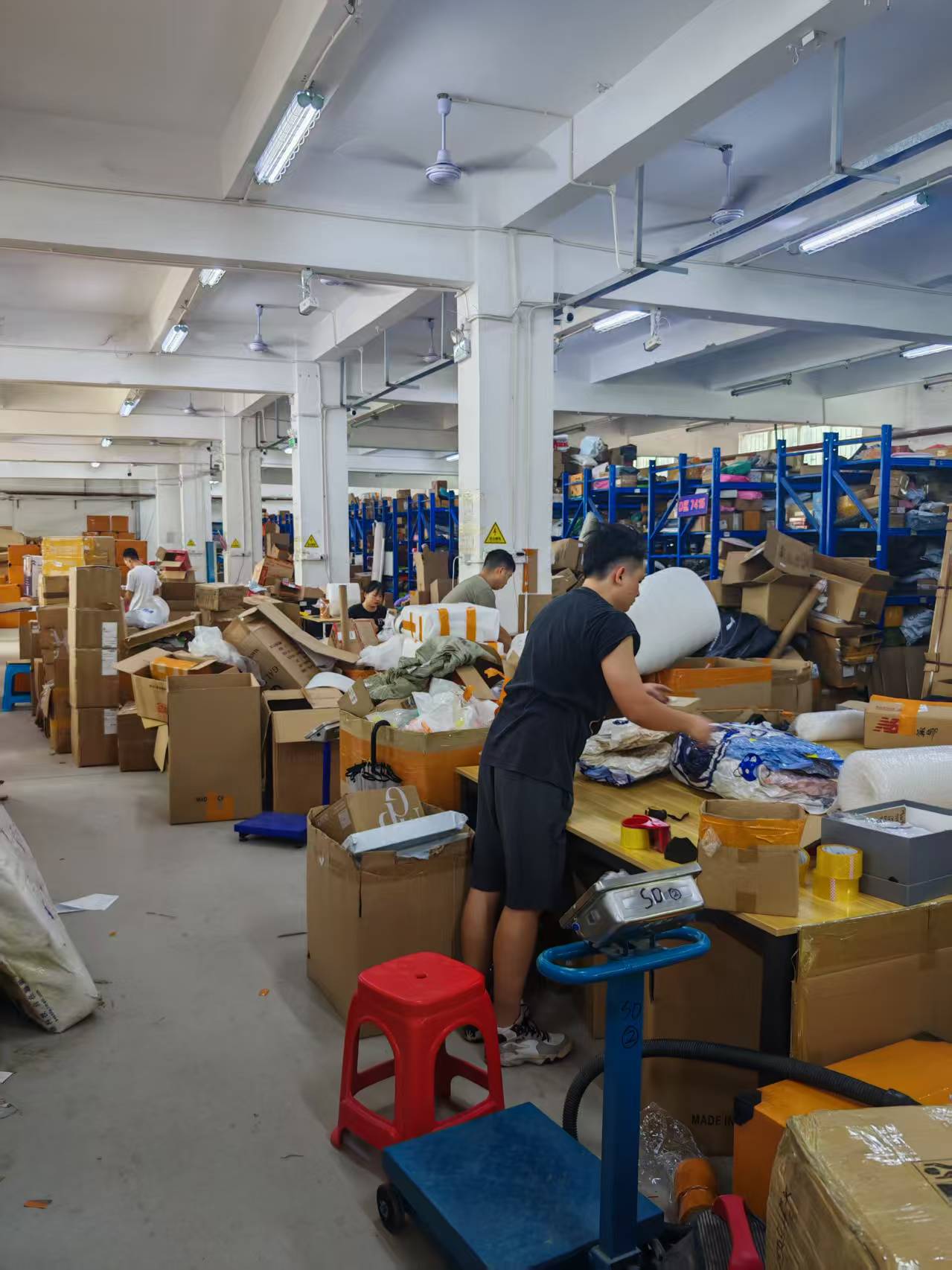
1. Missing or Incomplete Documents
Consequences: Incomplete documentation can lead to customs clearance delays. In 2026, the ABF requires a more comprehensive set of documents for imports, including commercial invoices, packing lists, and certificates of origin. A client who was importing apparel to Melbourne forgot to include the certificate of origin. The shipment was held at customs for a week until the document was provided.Solution: Ensure that all required documents are complete and accurate before shipping. Create a checklist to avoid missing anything. Your freight forwarder can also assist you in preparing the necessary documentation.
2. Non - compliance with Incoterms 2020
Consequences: Incoterms define the responsibilities of buyers and sellers in international trade. Misunderstanding or non - compliance can lead to disputes and additional costs. For example, if the seller is responsible for insurance under the agreed Incoterm but fails to arrange it, the buyer may face losses in case of damage during transit.Solution: Familiarize yourself with the different Incoterms 2020 rules and clearly define the terms in your sales contract. If there are any uncertainties, seek legal advice or consult your freight forwarder.
V. FAQ
Q: How can I find a reliable freight forwarder for my Australian imports? A: Look for forwarders with experience in the Australia - China route. Check their reputation through online reviews and ask for references from other businesses. A good forwarder should have a clear understanding of Australian customs and biosecurity regulations. At [东方星集运], we have over 13 years of experience in cross - border logistics and a proven track record of handling various types of shipments to Australia.
Q: What should I do if my goods are held at customs due to biosecurity issues? A: First, contact your freight forwarder immediately. They can help you understand the specific problem and guide you through the process of resolving it. You may need to provide additional documentation or arrange for treatments such as fumigation or heat treatment as required by the DAFF.
Q: Can I change the shipping method after I've booked a shipment? A: It depends on the stage of the shipment. If it's still in the early stages, it may be possible, but you may incur some additional fees. However, if the goods are already in transit, it can be very difficult and costly to change the shipping method. It's best to carefully consider your shipping method before booking.
Q: How can I ensure my customs declaration is accurate? A: Provide detailed information about your goods, including the exact description, quantity, value, and origin. Use the correct HS codes, which can be found in the official HS code database. If you're unsure, consult a customs broker or your freight forwarder.
Q: What are the potential costs associated with customs delays? A: Customs delays can lead to storage fees at the port, demurrage charges for containers, and potential loss of business opportunities. In some cases, if the delay causes you to miss a sales deadline, you may also have to compensate your customers. It's important to minimize delays by ensuring accurate documentation and compliance with all regulations.