


I. Introduction
Hey there, Aussie small business owners, importers, and e - commerce sellers! You're probably gearing up to ship those books and clothes from China to Australia. This year, 2026, brings some new customs regulations and shipping intricacies. I've been in the thick of cross - border logistics between China and Australia for quite a while, and I've seen firsthand the problems that can crop up. Let me share some insights to help you avoid those common pitfalls.
II. Understanding the New 2026 Regulations
The Australian Border Force (ABF) and the Department of Agriculture, Fisheries and Forestry (DAFF) have tightened regulations this year. For instance, the declaration of goods has become more detailed.
When I was handling a shipment last month for a client in Sydney, who was an apparel importer, the client didn't provide accurate information about the fabric content of the clothes. The shipment was held up at Port Botany for almost 14 days because DAFF needed to conduct extensive tests to confirm the materials were safe from pests and contaminants.
Biosecurity for Books Books can be a hiding place for pests. DAFF has increased its scrutiny on the origin of paper and any accompanying materials. If your books are from areas known for certain pests, additional inspections may be required.Clothing Declarations For clothes, you must accurately state the fabric composition, country of origin, and any special treatments (like fire - retardant coatings). Failure to do so can lead to long delays at customs.
III. Choosing the Right Shipping Method
There's a wide range of shipping options available, from air freight to sea freight. Each has its own pros and cons.
Air Freight Advantages: It's fast. If you're shipping time - sensitive items, like new - season fashion collections or the latest best - selling books, air freight is ideal. It can get your goods to major Australian cities like Sydney or Melbourne in as little as 3 days. But it's expensive.Limitations: There are weight and size restrictions. Larger consignments or heavy boxes of books can cost a fortune to ship via air.
Sea Freight Advantages: It's more cost - effective, especially for large volumes. If you're an apparel importer shipping bulk orders for the upcoming season or a book seller with a large stock of new releases, sea freight can save you a significant amount. A sea container can hold a large quantity of books and clothes, and the cost per unit is much lower.
Limitations: It's slow. Sea freight can take anywhere from 20 - 30 days depending on the shipping line and the route.
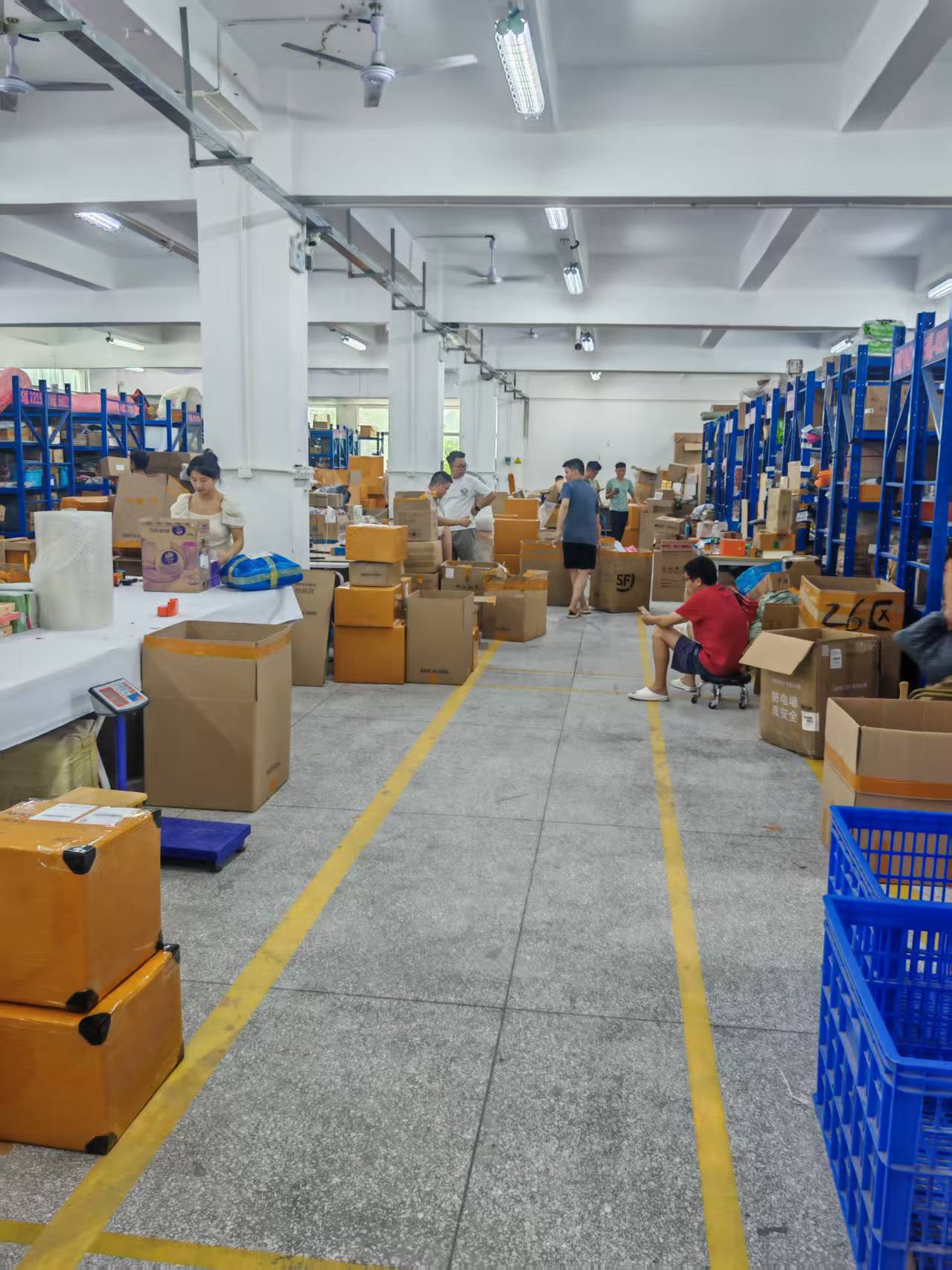
Let's take the example of a home goods seller based in Brisbane. They wanted to ship a large order of books and some decorative clothing items. They initially considered air freight but realized that with the volume, it would cost them over AUD 5,000. Instead, they chose sea freight and saved almost 70% on shipping costs, even though they had to wait for about 25 days for the shipment to arrive.
IV. Packaging Considerations
Proper packaging is crucial to ensure your books and clothes arrive in good condition.
Books Use sturdy boxes with enough padding. I once had a client who shipped books in flimsy cardboard boxes. When the shipment arrived at Port of Melbourne, many of the books had damaged covers because of rough handling during transit. Bubble wrap, packing peanuts, or foam sheets can provide good protection.Clothes For clothes, vacuum - sealed bags can save space, especially for sea freight. But make sure to label them clearly to avoid any misunderstandings during customs inspections. They should also be protected from moisture, so using waterproof bags or lining the boxes with plastic can be a good idea.
V. Labeling and Documentation
Accurate labeling and documentation are essential to avoid any customs issues.
Labeling Each box should be labeled with the contents, quantity, and the destination address. This helps the handlers and customs officers quickly identify what's inside.Documentation You need to provide a detailed commercial invoice with the correct Harmonized System (HS) codes for both books and clothes. Incorrect HS codes can lead to incorrect duty calculations and delays. I remember a 3C electronics seller (who also shipped some books as promotional items) that mislabeled the books and ended up paying double the duties.
VI. FAQ
How do I figure out the correct HS codes for my books and clothes? Well, the Australian Customs website has a detailed database of HS codes. You can look up the category of your books (e.g., textbooks, novels) and the type of clothes (e.g., cotton shirts, woolen sweaters) to find the right codes. You can also consult with a customs broker or a logistics provider like Orient Star Shipping. We have experts who can help you accurately classify your goods.What if my shipment is stuck at customs for a long time? First, stay calm. Customs delays can happen due to various reasons, like incomplete documentation or random inspections. Contact your logistics provider immediately. They can follow up with the customs authorities, provide any additional information needed, and help expedite the process. At Orient Star Shipping, we have a dedicated team to handle such customs issues and ensure your shipment moves forward as quickly as possible.
Can I ship used clothes and second - hand books to Australia? Yes, you can, but there are stricter biosecurity requirements. Used items may carry more pests and contaminants. You need to make sure they are clean and in a presentable condition. You'll also have to declare them as used on your documentation. Customs may require additional inspections, so it's best to be well - prepared.
How can I ensure the safety of my books and clothes during transit? Invest in high - quality packaging materials. As mentioned earlier, use sturdy boxes and proper padding for books, and moisture - resistant bags for clothes. Also, choose a reliable shipping carrier. At Orient Star Shipping, we have strict handling procedures in place to ensure the safe transit of your goods. And we offer insurance options for an extra layer of protection.
As you prepare your shipments of books and clothes to Australia this year, keep these tips in mind. Being well - informed and taking the right precautions will help you avoid the common hassles and ensure a smooth shipping process.