


I. Introduction
Hey there, Aussie small business owners, importers, and e - commerce sellers! In 2026, shipping goods from China to Australia has become a common yet complex process. I've seen so many folks, myself included, running into all sorts of problems when it comes to this cross - border shipping. But don't worry! With my years of hands - on experience in the frontlines of Sino - Australian cross - border logistics, I'm here to share some crucial knowledge that'll help you make your shipping smoother.
II. New Policies and Regulations in 2026
The Australian Border Force (ABF) and the Department of Agriculture, Fisheries and Forestry (DAFF) have tightened up their regulations. I remember a client in 2026 who imported home goods. They had a batch of items made with natural materials, and due to the new bio - security updates, the goods got held up at Port Botany.
Bio - security Checks: The DAFF has raised the bar for bio - security. Goods made from plant or animal products, like wooden furniture or leather goods, need to go through stricter inspections. For instance, if you're importing wooden chairs, they might need a phytosanitary certificate to prove they're free from pests.Customs Declaration: When filling out customs forms, it's a must to use accurate HS codes. Many small business owners think it's okay to be a bit vague, but in 2026, the ABF is cracking down. Incorrect declarations can lead to fines and delays.
III. Choosing the Right Shipping Channel (In - depth Section)
This part is crucial as choosing the wrong shipping channel can cost you a fortune or result in long delays.
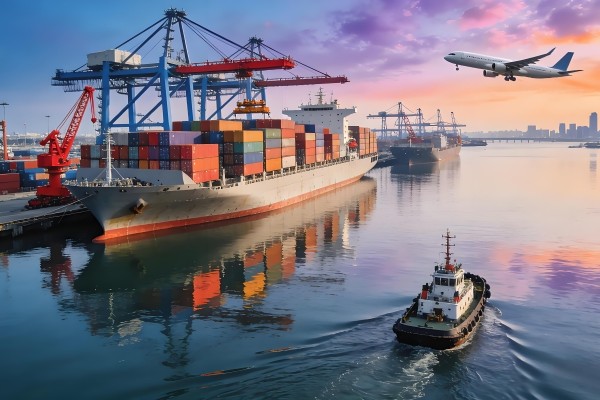
Less than Container Load (LCL): Ideal for home goods sellers or apparel importers with smaller quantities. You share the container with other shippers, which reduces costs. However, the handling process is more complex, and there's a higher risk of damage. The transit time is usually around 25 - 30 days.
Air Freight Express Service: If you're dealing with high - value, small - sized items, or need to restock urgently, air express is a great choice. Couriers like DHL or FedEx can deliver your goods in as little as 3 - 5 days. But it's expensive, and there are weight and size restrictions.
Air Cargo: This is a middle - ground option. It's faster than sea freight but cheaper than express services. You can expect delivery in about 10 - 15 days. It's suitable for 3C electronics sellers who need to balance cost and speed.
Let me tell you a story. I had a 3C electronics seller from Sydney. They ordered a new batch of smartphones from China. At first, they chose sea freight to save money, but due to a sudden surge in demand, they were running out of stock. They then shifted to air express, which cost them more but saved their business from losing customers.
| Comparison of Shipping Channels | Shipping Channel | Transit Time | Cost | Suitability |
|---|---|---|---|---|
| Ocean Freight (FCL) | 20 - 25 days | Low per unit for large volumes | Trade factories, large - scale importers | |
| Ocean Freight (LCL) | 25 - 30 days | Moderate | Small - to - medium - sized businesses | |
| Air Express | 3 - 5 days | High | High - value, small - sized items, urgent restocks | |
| Air Cargo | 10 - 15 days | Moderate | Balanced cost and speed requirements |
IV. Common Pitfalls and How to Avoid Them
Incorrect Documentation: One of the most common mistakes is filling out forms incorrectly. In 2026, I've seen many shipments get delayed because the customs declaration didn't match the actual goods. Always double - check your documents, and if you're not sure, consult a professional.Bio - security Risks: As mentioned earlier, bio - security checks are strict. Don't try to smuggle in goods that are restricted. For example, some food items need special permits. If you're importing a new type of product, research the bio - security requirements in advance.
Delivery Delays: Delays can be caused by various factors, like bad weather, labor strikes, or port congestion. To minimize the impact, choose a reliable shipping company. You can also consider having a buffer stock in case of unexpected delays.
V. Benefits of Using a Professional Logistics Provider
Knowledge of Regulations: A professional logistics provider, like [东方星集运], is always up - to - date with the latest policies. They can help you fill out the correct forms and handle bio - security requirements.Cost Savings: They have better negotiation power with shipping lines and airlines, so they can get you better rates.
End - to - End Service: From picking up the goods in China to delivering them to your doorstep in Australia, they can handle the whole process. This saves you a lot of time and energy.
VI. FAQ
How can I ensure my goods pass the bio - security checks? Well, it's all about being prepared. First, find out the specific requirements for your goods. If they're made of natural materials, get the necessary certificates. And always be honest in your customs declaration. I've seen some businesses try to hide things, and it never ends well.What if my goods get delayed at the port? If your goods are delayed, contact your logistics provider immediately. They'll be able to find out what's going on. Sometimes, it could be a simple issue like paperwork not being in order, and they can help you sort it out quickly.
Can I track my shipment? Most professional logistics providers offer shipment tracking. For instance, [东方星集运] has a great digital tracking system. You can check the status of your goods at every stage of the journey, from the warehouse in China to the delivery in Australia.
How do I choose the right shipping company? Look for a company with experience in Sino - Australian shipping. Check their reviews and ask for references. A good company should be able to handle all aspects of the shipping process, from customs clearance to delivery. Also, make sure they're transparent about their pricing and services.
Are there any hidden costs in cross - border shipping? There could be. Some common hidden costs include storage fees at the port, customs duties, and bio - security inspection fees. A reliable logistics provider will be upfront about these costs and give you a detailed quote. So, always ask for a breakdown of all the potential charges before you commit.
In the end, with the right knowledge and a reliable partner, shipping goods from China to Australia in 2026 can be a breeze. Just stay informed about the policies, choose the right shipping channel, and avoid the common pitfalls. Good luck with your imports!