


I. Introduction
Shipping household goods from China to Australia involves a complex process. In 2026, there are new biosecurity regulations and customs policies set by the Australian Border Force (ABF) and the Department of Agriculture, Fisheries and Forestry (DAFF). These changes can make the shipping process challenging for small business owners, importers, and e - commerce sellers. I've been in the cross - border logistics industry for years. I'll share some common pitfalls and how to avoid them based on my hands - on experience.
II. Common Pitfalls in International Household Goods Removal
1. Incorrect Documentation
One of the most common mistakes is incorrect or incomplete documentation. In 2026, the ABF has tightened its rules on document verification. For example, the HS codes need to be accurately filled out. I once had a client who was shipping home goods from Shanghai to Sydney. They misclassified some wooden furniture, using the wrong HS code. As a result, the goods were held at Port Botany for over 14 days, incurring additional storage fees and delays in delivery.
2. Non - compliance with Biosecurity Regulations
Australia has strict biosecurity regulations to protect its unique ecosystem. Goods such as wooden furniture, textiles, and food products may be subject to biosecurity checks. In 2026, the DAFF has increased the scrutiny of imported goods. Another time, a batch of goods from a home goods seller in Guangzhou to Melbourne included some items with soil residues. The entire shipment was quarantined, and the importer had to pay for special cleaning and treatment, which cost around AUD 3,500.
3. Improper Packaging
Proper packaging is crucial for the safe transportation of household goods. Inadequate packaging can lead to damage during transit. For instance, a 3C electronics seller shipped a batch of smart devices from Shenzhen to Brisbane. The packaging was not shock - resistant enough, and about 20% of the devices were damaged upon arrival. This not only caused financial losses but also affected the seller's reputation.
4. Incorrect Incoterms Selection
The choice of Incoterms affects many aspects such as cost, risk, and responsibility. In 2026, due to the fluctuating shipping market, choosing the wrong Incoterms can lead to unexpected costs. A small business owner in Australia who imported apparel from a Chinese factory chose FOB terms without fully understanding the details. When there were delays at the Chinese port, they had to bear the additional storage and demurrage fees, which added about 15% to the original cost.
5. Ignoring Shipping Schedule and Transit Times
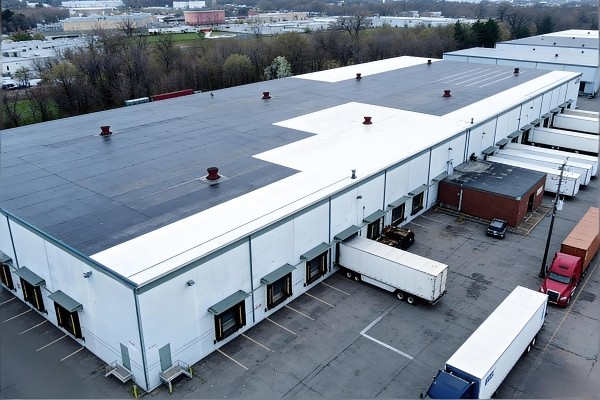
Shipping schedules and transit times can be affected by various factors such as weather, port congestion, and shipping line operations. Ignoring these factors can lead to missed delivery deadlines. For example, during peak shipping seasons, the shipping time from China to Australia can be extended by 5 - 7 days. A trade factory in China that shipped a large quantity of goods to Sydney underestimated the transit time. As a result, the goods arrived too late for a major retail festival, causing the Australian importer to lose potential sales worth around AUD 50,000.
III. How to Avoid These Pitfalls
1. Ensure Accurate Documentation
Work with a professional freight forwarder or customs broker who is familiar with the 2026 regulations. They can help you correctly fill out all the necessary documents, including the commercial invoice, packing list, and bill of lading. Double - check all the information, especially the HS codes, to avoid errors.
2. Comply with Biosecurity Regulations
Before shipping, thoroughly clean all goods to remove any dirt, pests, or residues. Provide detailed information about the origin, material, and treatment of the goods. If necessary, undergo pre - shipment inspections and obtain relevant certificates.
3. Invest in Proper Packaging
Use high - quality packaging materials and appropriate packaging methods according to the nature of the goods. For fragile items, use shock - absorbing materials. For valuable items, consider using additional protective measures such as reinforced packaging.
4. Choose the Right Incoterms
Understand the differences between different Incoterms and choose the one that best suits your needs. Consider factors such as cost control, risk management, and logistics capabilities. Seek professional advice if necessary.
5. Plan Ahead and Monitor Transit Times
Check the shipping schedule in advance and allow some buffer time for potential delays. Use tracking systems to monitor the progress of your shipment and stay in touch with your logistics provider.
IV. Choosing a Reliable Logistics Provider
Choosing a reliable logistics provider is key to avoiding pitfalls in international household goods removal. A good logistics provider should have the following qualities:
1. Experience and Expertise
Look for a provider with years of experience in cross - border logistics from China to Australia. They should be familiar with the local customs regulations, biosecurity requirements, and shipping procedures.
2. Comprehensive Services
The provider should offer a range of services, including shipping, customs clearance, warehousing, and final delivery. This can simplify the logistics process and reduce the need for you to deal with multiple parties.
3. Good Reputation
Check customer reviews and testimonials to evaluate the provider's reputation. A provider with a good reputation is more likely to provide reliable and high - quality services.
4. Digital Capabilities
In today's digital age, a logistics provider with advanced digital capabilities can offer real - time tracking, online booking, and easy communication channels, which can greatly improve the efficiency of the logistics process.
V. FAQ
1. How long does it generally take to ship household goods from China to Australia?
The shipping time depends on the shipping method. For sea freight, it usually takes around 20 - 30 days, while air freight can be as fast as 3 - 5 days. However, these are just estimates, and factors like port congestion, weather conditions, and customs clearance can affect the actual transit time.
2. What are the costs involved in shipping household goods from China to Australia?
The costs include shipping fees, customs duties, biosecurity inspection fees, and possible storage fees. Shipping fees vary based on the volume, weight, and shipping method. Customs duties depend on the value and nature of the goods, and biosecurity inspection fees are applicable if the goods are subject to inspection.
3. Can I ship food products from China to Australia?
Yes, you can, but food products are subject to strict biosecurity regulations. You need to provide detailed information about the ingredients, origin, and processing methods. Some food products may require pre - shipment inspections and special permits.
4. What should I do if my goods are held at the Australian port for customs clearance?
Contact your logistics provider immediately. They will work with the customs authorities to resolve the issue. You may need to provide additional documents or information as required by the customs.
5. Can I trust a new logistics provider that offers very low prices?
While low prices can be appealing, be cautious. A new provider may lack experience and may not be able to handle complex issues effectively. It's important to balance cost with quality and reliability. Look for reviews and references before making a decision.
In shipping household goods from China to Australia in 2026, being aware of these potential pitfalls and taking proactive measures can help you ensure a smooth and cost - effective shipping process. Always stay informed about the latest regulations and work with reliable partners to minimize risks.