


I. Introduction
In 2026, the cross - border e - commerce landscape between China and Australia has witnessed significant changes. For Australian small business owners, importers, and e - commerce sellers, China receiving warehouses play a crucial role in the supply chain. I remember back in 2025, I had a client, a small 3C electronics seller in Sydney. He was constantly facing issues with his previous Chinese receiving warehouse. Delays were common, inventory management was a mess, and he once lost a large batch of high - value electronic components due to poor storage conditions. This made me realize how important it is for Australian shoppers to understand China receiving warehouses thoroughly.
II. Key Aspects of China Receiving Warehouses
1. Location and Accessibility
China has a vast territory, and the location of the receiving warehouse matters a lot. For example, warehouses located in coastal cities like Shenzhen or Shanghai have better access to international ports. This can reduce the time from the warehouse to the port and potentially speed up the shipping process. A home goods seller in Melbourne once told me that choosing a warehouse in Shenzhen saved him roughly 3 days in transit time compared to a warehouse in an inland city. However, coastal warehouses may be more expensive due to higher land and labor costs.
2. Storage Capacity and Services
Storage Capacity: The size of the warehouse determines how much inventory you can store. If you're an apparel importer with large orders during the peak season, you need a warehouse with sufficient space. Some warehouses offer flexible storage options, allowing you to rent more space when needed.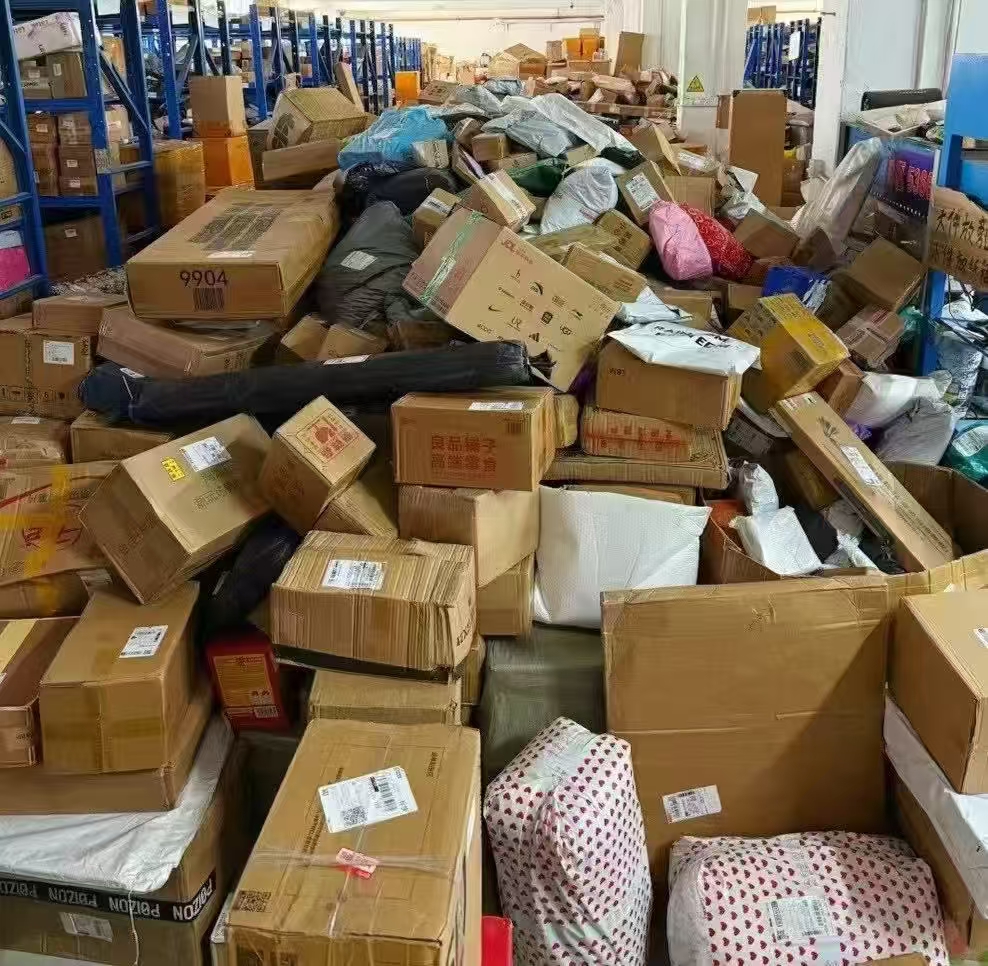
III. 2026 Policy and Regulatory Changes (40% of the text)
1. Customs and Biosecurity
In 2026, Australian Border Force (ABF) and the Department of Agriculture, Fisheries and Forestry (DAFF) have tightened their regulations. For goods stored in China receiving warehouses before shipping to Australia, accurate and detailed documentation is required. For instance, if your goods contain any plant - based materials, you need to provide certificates of origin and proof of compliance with Australian biosecurity standards. I once had an e - commerce seller from Sydney who shipped some wooden handicrafts. Due to incomplete documentation, the goods were held at the Port Botany for roughly 10 days, incurring additional storage and demurrage charges.
2. Tax and Duty Regulations
The new tax policies may affect the cost of goods in transit. Some goods may be subject to higher duties depending on their origin and classification under the HS codes. China receiving warehouses need to work closely with customs brokers to ensure correct classification and duty payment. For example, certain types of 3C electronics may have different duty rates based on their specific features. A small business owner in Melbourne was unaware of these changes and was shocked by the unexpectedly high duty fees when his goods arrived.
3. Data Privacy and Security
With the increasing importance of data in cross - border trade, new regulations have been introduced to protect data privacy. China receiving warehouses must comply with these regulations when collecting and storing customer information. They need to ensure that the data of Australian shoppers, like shipping addresses and order details, is stored securely.
IV. Selecting the Right China Receiving Warehouse
1. Reputation and Reviews
Check online reviews and ask for references from other Australian businesses. A warehouse with a good reputation is more likely to provide reliable services. For example, if you hear from other e - commerce sellers that a particular warehouse has a history of timely order processing and accurate inventory management, it's a good sign.
2. Cost - Effectiveness
Compare the costs of different warehouses, including storage fees, handling fees, and any additional charges for services. However, don't just focus on the lowest price. A warehouse with very low fees may compromise on service quality, leading to other problems like delays or damaged goods.
3. Technology and Digital Capabilities
In 2026, technology - enabled warehouses are preferred. They can offer real - time inventory tracking, online order management, and digital communication channels. This helps Australian shoppers to manage their inventory more efficiently. For example, a home goods seller in Brisbane was able to optimize his inventory levels using the real - time tracking system provided by his Chinese receiving warehouse.
V. FAQ
Q1: How can I ensure the safety of my goods in a China receiving warehouse? A: First, choose a warehouse with a good reputation and proper security measures, like 24/7 surveillance and access control. Also, ask about the insurance options they offer. Most warehouses have some form of basic insurance, but you can also consider additional coverage for high - value goods.
Q2: What if there are changes in my order while it's in the China receiving warehouse? A: A good warehouse should be flexible enough to handle order changes. You should communicate with the warehouse staff as soon as possible. Some warehouses may charge a small fee for order modification, depending on the complexity.
Q3: Are there any hidden costs in using a China receiving warehouse? A: It's important to have a clear contract with the warehouse. Ask about all possible fees in advance, including storage fees during peak seasons, handling fees for special - shaped goods, and any fee for value - added services. Read the contract carefully to avoid unexpected charges.
Q4: How can I track my inventory in a China receiving warehouse? A: Many modern warehouses offer online tracking systems. You can log in to their platform and check the real - time status of your inventory, including quantity, location within the warehouse, and any movement history.
Q5: What should I do if my goods don't pass the Australian customs inspection due to issues in the China receiving warehouse? A: Contact the warehouse immediately. They should assist you in providing additional documentation or making necessary corrections. If it's due to their negligence, they may be responsible for some of the costs associated with re - inspection or re - shipping.
As an Australian shopper, keeping an eye on these aspects of China receiving warehouses in 2026 can help you streamline your supply chain and avoid many potential problems. Do your research, ask the right questions, and choose a warehouse that best fits your business needs.