


I. Introduction
In 2026, more and more Australian small business owners, importers, and e - commerce sellers are opting for door - to - door shipping services from China. It seems like an all - round solution, offering convenience from the start. But here's the catch. I've seen many clients fall into unexpected traps. Once, a home goods seller in Sydney was excited about getting a new shipment. The door - to - door service promised a seamless experience. However, what followed was a series of headaches, from delayed deliveries to hefty unexpected costs.
II. Understanding the Current Landscape of Door - to - Door Shipping to Australia
Popularity and Growth With the growth of cross - border e - commerce, door - to - door shipping to Australia has become increasingly popular. In 2026, many sellers, especially of 3C electronics, are relying on this service to reach their Australian customers. This service integrates multiple aspects of logistics, from collection at the Chinese warehouse to delivery at the Australian address. According to industry data, the volume of door - to - door shipments has grown by about 25% in the past year, a significant increase.Influence of New Policies in 2026 The 2026 Australian Border Force (ABF) and Department of Agriculture, Fisheries and Forestry (DAFF) policies are tightening regulations. For instance, goods with organic materials now face more rigorous inspections. This is to protect Australia's unique ecosystem and prevent the introduction of harmful pests and diseases. Sellers are required to be more detailed in their product declarations, which can be a challenge for those who are not well - informed.
III. In - depth Analysis of Hidden Pitfalls
Customs and Biosecurity Issues Declarations and Penalties Sellers often make mistakes in product declarations. A trade factory shipping furniture once declared it as “wooden items” without specifying the type of wood and whether it had any treatments. The ABF found that the wood was from a region with a risk of pests. As a result, the factory had to pay large fines and suffered a long delay in getting the goods released. In 2026, false or incomplete declarations can lead to penalties ranging from 2000 to 5000 Australian dollars, depending on the severity.Biosecurity Clearance Australia's strict biosecurity laws are a major pitfall. Products like clothing made from natural fibers or home goods with wooden parts may need special treatment or certifications. A clothing importer in Melbourne had a shipment delayed because the cotton in their apparel was not properly treated to meet biosecurity standards. The goods had to be sent back for treatment, which added about 14 days to the shipping time and increased costs significantly.
Cost - related Issues Hidden Fees Door - to - door shipping sounds like a one - price - fits - all service, but there are often hidden fees. Some shipping providers may charge for storage at the Australian port if the goods are not picked up immediately. A 3C electronics seller in Brisbane once faced a situation where the shipping company added a “port congestion fee” at the last minute. This fee was not mentioned in the initial quote, and it added a cost of about 300 Australian dollars to the shipment.
Currency and Exchange Rate Risks Since most door - to - door shipping is paid in Chinese yuan or US dollars, there are currency exchange rate risks. A sudden change in the exchange rate can lead to higher costs than expected. For example, if the Australian dollar weakens against the US dollar during the shipping process, the seller will end up paying more for the shipping service.
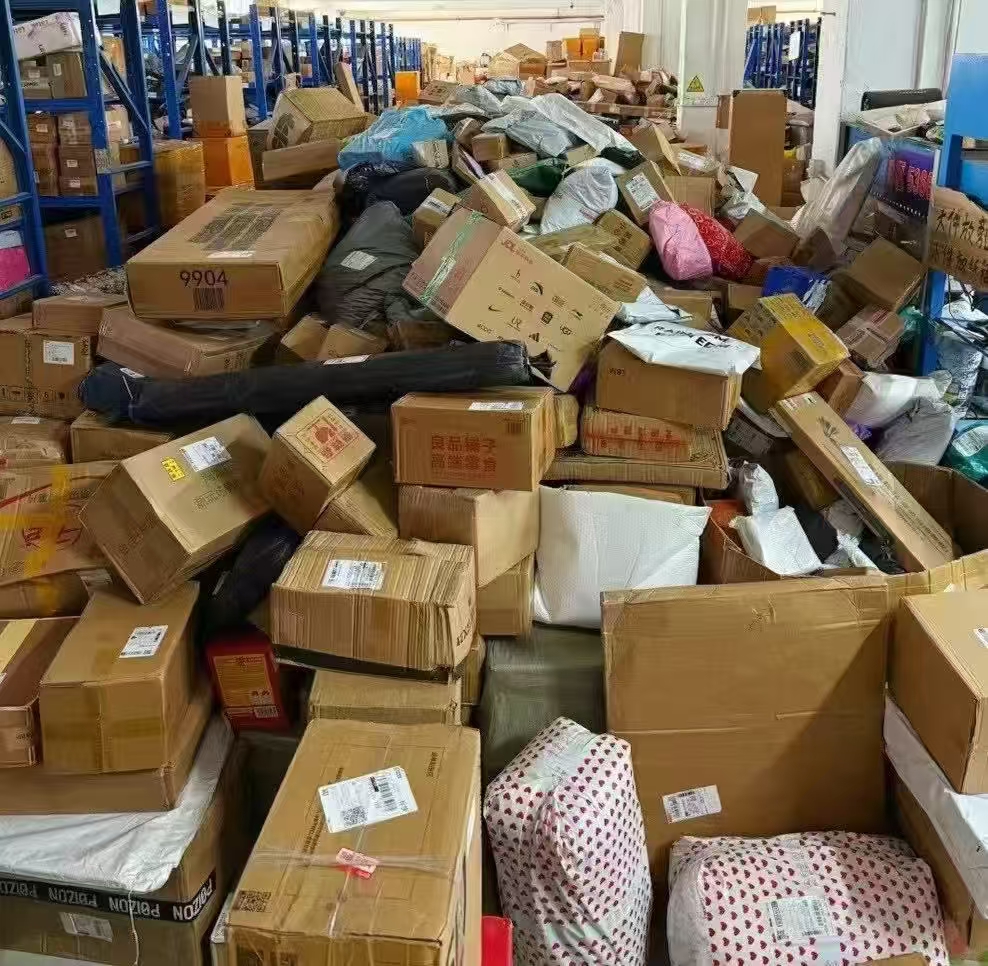
Delivery and Service - related Issues Delays Delays are common in door - to - door shipping. They can be caused by factors such as bad weather, port congestion, or labor strikes. In Port Botany, during a peak shipping season, there was a labor strike that lasted for about 5 days. Many shipments, including those of home goods sellers, were delayed. On average, delays can add about 7 - 10 days to the shipping time, which can disrupt business operations and affect customer satisfaction.
Poor Communication Lack of communication between the shipping provider, customers, and warehouses can lead to problems. In some cases, customers are not informed about the status of their shipments in a timely manner. A home goods seller in Sydney once had a shipment that was stuck in customs, but the shipping company did not inform them until several days later. This lack of communication can cause unnecessary stress and financial losses.
IV. How to Avoid These Pitfalls
Understand the Regulations Thoroughly Sellers should take the time to study the 2026 ABF and DAFF regulations. They can also consult with customs brokers or logistics experts. For example, before shipping any goods with organic materials, they should know the exact requirements for treatment and certification.Choose the Right Shipping Provider Look for a shipping provider with a good reputation and experience in door - to - door shipping to Australia. For instance, Oriental Star Shipping has a core team with 13 years of logistics experience. They can provide accurate quotes, handle customs and biosecurity issues professionally, and offer good communication throughout the shipping process.
Be Clear About the Price Ask for a detailed breakdown of all the costs before signing the shipping contract. Don't be lured by low initial quotes. Make sure to understand what is included in the price and what additional fees may apply.
Track the Shipment Regularly Use the shipping provider's tracking system to keep an eye on the shipment's progress. If there are any delays or issues, contact the shipping provider immediately to find a solution.
V. FAQ
Q: How can I ensure my product declarations are accurate? A: I'd recommend working with a professional customs broker. They have in - depth knowledge of the regulations. You can also double - check your declarations with the shipping provider. For example, Oriental Star Shipping can help you review your product declarations to make sure they meet the 2026 ABF requirements.Q: What should I do if I encounter a hidden fee? A: First, check your contract to see if there are any terms related to such fees. If not, contact the shipping provider and ask for an explanation. If the fee is not reasonable, you can consider filing a complaint. However, it's best to clarify all costs upfront to avoid such situations.
Q: How can I deal with shipment delays? A: Stay in touch with the shipping provider. They can usually give you an update on the situation. If the delay is due to unforeseen circumstances like a labor strike, there may not be much that can be done immediately. But you can work with the provider to reschedule deliveries and minimize the impact on your business.
Q: Is it necessary to use a high - cost shipping provider to avoid pitfalls? A: Not necessarily. Cost is not always an indicator of quality. You should focus on the provider's reputation, experience, and service. For example, Oriental Star Shipping offers cost - effective solutions with a good track record in handling door - to - door shipments to Australia, while still ensuring compliance with all regulations.
Q: How can I stay updated on the latest Australian shipping policies? A: You can visit the official websites of ABF and DAFF regularly. They publish updates on new policies and regulations. You can also subscribe to industry newsletters and follow relevant social media groups to get the latest information.