


I. Introduction
Are you an Australian small business owner, importer, or e - commerce seller sourcing goods from China? If so, the China receiving warehouse is a crucial part of your supply chain. In 2026, new policies and regulations have been introduced, which can significantly affect how you use these warehouses. I've been in the cross - border logistics industry for years, and I've seen firsthand how these changes can either make or break a business's supply chain efficiency. Let me share some insights based on my real - world experience.
II. Key Policy Changes in 2026
Customs and Biosecurity Checks The Australian Border Force (ABF) and the Department of Agriculture, Fisheries and Forestry (DAFF) have tightened their regulations. Goods stored in China receiving warehouses that are destined for Australia now require more detailed pre - shipment inspections. For example, food products, wooden items, and anything of animal origin need specific certifications and declarations. When I was handling a shipment of wooden furniture from a warehouse in Shenzhen to Sydney last year, the new regulations meant we had to provide detailed information about the type of wood, its origin, and the treatment it had undergone. This information was used by the Australian authorities to assess the risk of pests and diseases.Product Labeling and Information In 2026, Australian regulators are insisting that all products stored in Chinese warehouses for export to Australia have accurate and complete labeling. This includes country of origin, product ingredients, and safety instructions in English. I remember a client who was shipping home goods from a receiving warehouse in Shanghai. Due to incorrect labeling, the shipment was held up at the Port Botany for over a week. The delay cost the client not only money but also valuable business opportunities.
III. How These Policies Affect China Receiving Warehouses (Deep - Dive Section)
Operational Changes China receiving warehouses have had to adjust their operations to comply with the new policies. For instance, they now need to conduct their own in - house inspections to ensure that goods meet Australian standards before shipping. This has led to an increase in the time taken to process and dispatch goods. A warehouse in Guangzhou that I frequently work with has seen a 15 - 20% increase in processing time for goods going to Australia. They've also had to hire additional staff to handle the new documentation and inspection requirements.Cost Implications The new policies have also brought about cost increases. Warehouses are passing on some of the additional costs of compliance to customers. For example, the cost of storing goods in a compliant China receiving warehouse has gone up by around 10 - 15% on average. E - commerce sellers who rely on these warehouses to store and ship their products have to factor in these additional costs when pricing their items. A 3C electronics seller in Melbourne, who was sourcing products from a warehouse in Beijing, saw a significant increase in his overall shipping and storage costs, which affected his profit margins.
Impact on Inventory Management Some businesses have had to re - evaluate their inventory management strategies. With the longer processing times and potential delays due to the new policies, it's become riskier to hold large amounts of inventory in a China receiving warehouse. A home goods seller in Brisbane decided to reduce his inventory levels in a Chinese warehouse to avoid potential losses from delays or non - compliant shipments. Instead, he started ordering smaller but more frequent shipments to manage his stock more effectively.
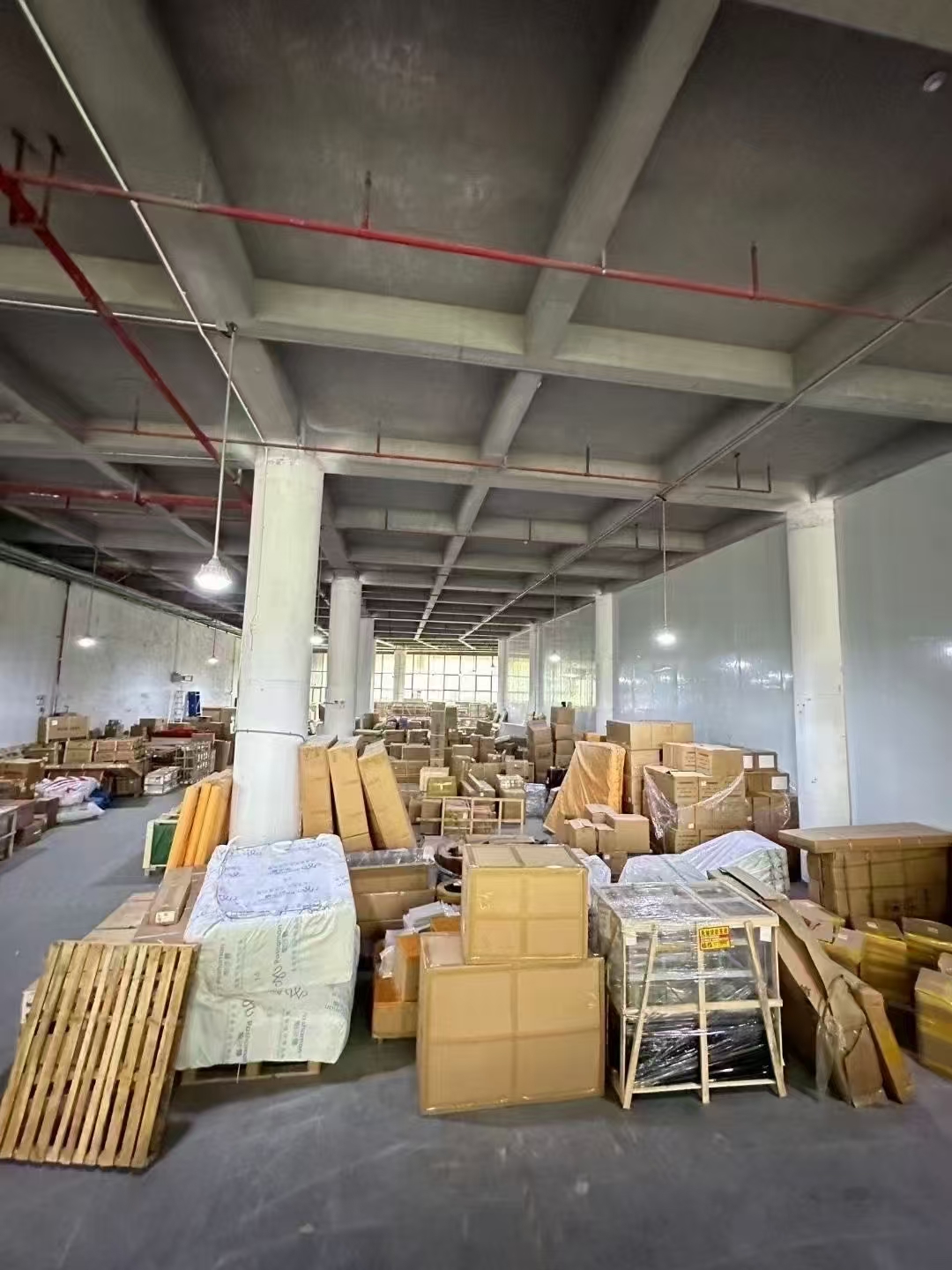
IV. How to Navigate These Changes
Choose a Reliable Warehouse Partner It's crucial to partner with a warehouse that has experience dealing with Australian imports. For example, Oriental Star Shipping, a well - known logistics service provider, has a team that closely follows the 2026 policy changes. They offer value - added services like pre - shipment inspections and accurate documentation preparation. I've had clients who switched to Oriental Star Shipping and saw a significant improvement in their shipping processes.Ensure Accurate Product Information From the very beginning, make sure to provide accurate and detailed information about your products. Work closely with your suppliers in China to ensure that all labeling and certifications are in place. This will help reduce the risk of delays at customs and ensure a smoother shipping process.
Adapt Your Inventory Strategy Consider adjusting your inventory levels and re - order points based on the new shipping times and potential delays. You might need to hold a bit more safety stock in Australia itself rather than relying solely on inventory in Chinese warehouses. Some apparel importers in Sydney have started to set up small local warehouses to buffer against any delays in receiving shipments from China.
V. Comparison of Warehouse Services
| Not all China receiving warehouses are created equal. Here's a comparison of some key features of Oriental Star Shipping and other common warehouse providers: | Features | Oriental Star Shipping | Competitor A | Competitor B |
|---|---|---|---|---|
| Policy - compliance Support | Offers in - depth guidance on 2026 policies | Basic compliance advice | Limited compliance assistance | |
| Storage Costs | Competitive with value - added services | Higher costs with fewer services | Lower costs but less reliable service | |
| Pre - shipment Inspections | Comprehensive inspections | Partial inspections | No inspections | |
| Documentation Preparation | Professional and accurate | Some errors in documentation | Inconsistent documentation |
VI. FAQ
Q: How long does it usually take to get a shipment through customs in Australia under the 2026 policies? A: It varies. Usually, if all the documentation is correct and the goods pass the biosecurity checks, it can take anywhere from 2 - 7 days. But if there are issues with the paperwork or the goods need additional inspections, it could take weeks. I've seen cases where shipments were held up for over a month due to non - compliance.Q: Does Oriental Star Shipping handle all types of goods? A: They have experience with a wide range of goods, including home goods, 3C electronics, and apparel. However, for some highly regulated items like certain types of food and pharmaceuticals, they'll work closely with you to ensure all the necessary approvals and certifications are in place.
Q: Will the new policies increase the risk of my goods being damaged during transit? A: The new policies themselves don't directly increase the risk of damage. However, the longer processing times in the China receiving warehouse and at customs can potentially expose the goods to more handling, which might increase the risk slightly. But if you choose a reliable warehouse and shipping provider like Oriental Star Shipping, they'll take extra precautions to protect your goods.
Q: Can I still use a small, local China receiving warehouse under the 2026 policies? A: You can, but be aware that smaller warehouses might not have the resources or expertise to deal with the complex new policies. They may be more likely to make mistakes in documentation or inspections, which could lead to delays and additional costs. It's often safer to choose a well - established and experienced partner.
Q: How often do the policies change, and how can I keep up with them? A: Policies can change frequently, especially as new risks to biosecurity or other factors emerge. A good way to keep up is to work with a logistics provider like Oriental Star Shipping, who has a team dedicated to monitoring policy changes. You can also follow official announcements from the Australian Border Force and the Department of Agriculture, Fisheries and Forestry.
In the ever - changing landscape of cross - border logistics, staying informed and adapting to new policies is key. By understanding the 2026 policy changes and how they affect China receiving warehouses, you can ensure a more efficient and cost - effective supply chain.