


I. Introduction
As an Australian small business owner, importer, or e - commerce seller, you've likely faced challenges in getting household goods from China to Australia. You know how frustrating it can be when your goods are delayed, damaged, or hit with unexpected costs during the door - to - door delivery process. Here, I'll draw on my practical experience to guide you through the best ways for this crucial delivery task in 2026.
II. New Policies in 2026
The Australian Border Force (ABF) and the Department of Agriculture, Fisheries and Forestry (DAFF) have tightened regulations in 2026. There are more stringent biosecurity checks on household goods, especially items made from natural materials like wood, leather, and bamboo. These items must be properly treated and declared. For example, wooden furniture needs to be heat - treated and carry a phytosanitary certificate. Any misdeclaration can lead to hefty fines or even the confiscation of goods.
III. Shipping Channels Analysis
1. Air Freight
Advantages: It's incredibly fast. For time - sensitive goods like new trendy household items, air freight can cut down the delivery time significantly. From the moment the goods leave a warehouse in China, the fastest mode can get them to major cities in Australia, such as Sydney or Melbourne, in about 3 days.High reliability in terms of arrival time, which is great for businesses that need to maintain a strict inventory management system.
Limitations: The cost is much higher compared to sea freight. It can be up to 5 - 10 times more expensive, depending on the weight and volume of the household goods.
There are restrictions on the size and weight of the goods. Oversized or extremely heavy items may not be suitable for air freight.
2. Sea Freight
Advantages: Cost - effective, especially for large - volume shipments. Whether it's a full container load (FCL) or less - than - container load (LCL), sea freight can offer significant savings. For example, shipping a container of various household goods via sea may cost only a fraction of what air freight would for the same volume.It can handle large and heavy items with ease, like furniture sets or large appliances.
Limitations: Slow transit time. A standard sea freight shipment from China to Australia can take anywhere from 20 to 30 days, which might not be ideal for urgent orders.
There's a higher risk of delays due to factors such as bad weather, port congestion, or strikes.
3. Hybrid Solutions
Combining air and sea freight can be a smart move. You can use air freight for high - value, time - sensitive items and sea freight for the bulk of your less - urgent household goods. This way, you can balance the cost and the need for a quick delivery of some items.IV. Choosing a Reliable Logistics Provider
I've seen many clients make the mistake of choosing the cheapest logistics provider without considering other factors. One client in 2024 went with a no - name company for shipping a large quantity of home goods from a factory in China. The goods ended up being lost in transit, and the company couldn't provide proper compensation or assistance in locating the shipment.
When choosing a provider:
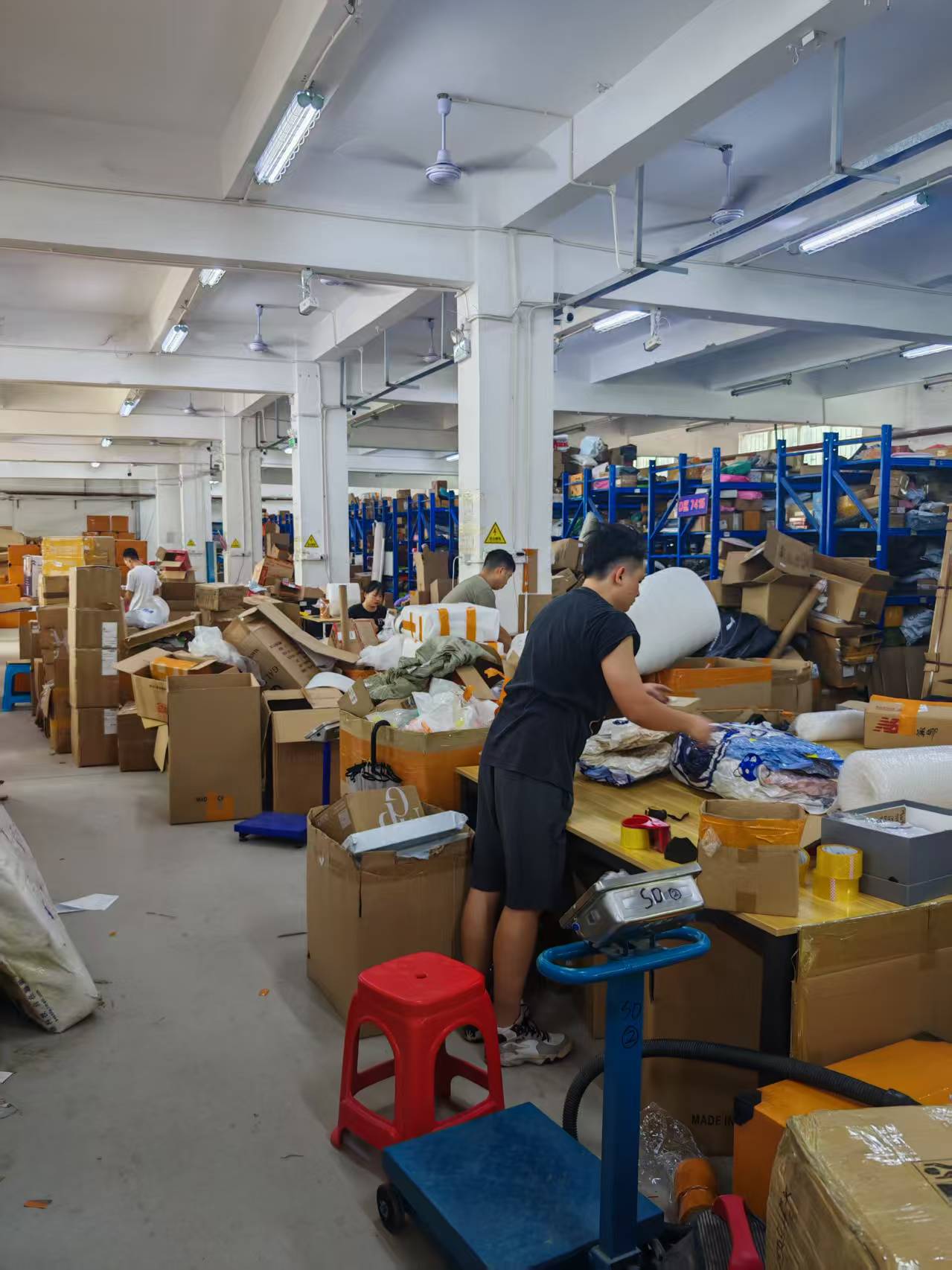
Service Network: A provider with a wide service network in both China and Australia can ensure seamless door - to - door delivery. This includes having reliable partners for local pick - up, customs clearance, and final delivery in Australia.
Transparency: They should be upfront about all costs, transit times, and potential risks. Hidden fees can quickly eat into your profit margins.
One such reliable provider is Orient Star Shipping. They focus solely on the China - Australia route, which allows them to have in - depth knowledge of the market. They offer a variety of shipping options, including air, sea, FCL, LCL, and door - to - door services. They also provide up to 180 days of free warehousing, which is great for businesses that need to store goods before shipping.
V. The Detailed Door - to - Door Delivery Process
1. Pre - shipping
Inventory Check: You need to accurately list all the household goods you're shipping. This includes details such as the item's name, quantity, material, value, and any relevant HS codes.Packaging: Proper packaging is crucial to prevent damage during transit. Use sturdy boxes, bubble wrap, and packing peanuts as needed. For fragile items, double - box them for extra protection.
2. Shipping
Once you've chosen a shipping method and a logistics provider, they'll take care of the transportation from the warehouse in China to the port, then on to an Australian port.The provider will handle the necessary customs documentation, including the bill of lading, commercial invoice, and packing list.
3. Arrival in Australia
The goods will go through customs clearance in Australia. This involves inspections by the ABF and DAFF to ensure compliance with import regulations.After clearance, the provider will arrange for the final delivery to your specified address in Australia.
VI. FAQ
Q: Can I ship used household goods from China to Australia? A: Yes, you can. But used goods are subject to more strict biosecurity checks. For example, used wooden furniture needs to be free of pests and must be declared properly. There may also be additional fees for the inspection. Orient Star Shipping can help you with the proper declaration and handling of used goods.Q: What if my goods are detained at customs? A: Usually, this is due to issues like incorrect documentation or non - compliance with biosecurity regulations. A good logistics provider will assist you in resolving these issues. They'll work with customs authorities to provide the necessary information or arrange for proper treatment of the goods. For instance, Orient Star Shipping has a team dedicated to handling customs exceptions and will keep you informed throughout the process.
Q: How can I estimate the shipping cost? A: The cost depends on several factors such as the weight, volume, shipping method, and destination. You can provide details like the name of the household goods, their quantity, weight, and the Australian delivery address to Orient Star Shipping. They'll calculate an estimate for you based on these factors.
Q: Is it possible to get insurance for my household goods during shipping? A: Absolutely. Many logistics providers, including Orient Star Shipping, offer insurance options for your goods. You can choose the level of coverage based on the value of your goods. It's a good idea to get insurance to protect yourself against potential losses during transit.