


I. Introduction
Hey there, Australian small business owners, importers, and e - commerce sellers! Shipping goods from China to Australia has become a common practice in recent years. But the process is fraught with potential pitfalls. I've been in the cross - border logistics game for quite a while, and I've seen a lot of people stumble along the way. Especially with the upcoming 2026 Australia ABF (Australian Border Force) new policies, it's crucial to know what to avoid.
II. Common Pitfalls in China - Australia Shipping
1. Insufficient Understanding of New Policies
In 2026, the ABF is set to enforce stricter regulations. I remember a client back in 2024 who was an apparel importer based in Sydney. He didn't keep up with the changing bio - security regulations. He shipped a batch of clothes made with natural fibers, which were required to have specific treatment certificates. Without these, the goods were held at Port Botany for roughly 14 days. The final outcome was that he had to pay hefty storage fees and miss the peak selling season, resulting in significant financial losses. The new policies may cover aspects like customs valuation, HS codes accuracy, and biosecurity. For instance, incorrect HS code declarations can lead to over - or under - payment of duties and attract ABF scrutiny.
2. Ignoring Packaging Requirements
Packaging is not just about protecting your goods but also meeting shipping and customs standards. In my experience, 3C electronics sellers often face problems here. A 3C electronics seller from Melbourne once shipped his products with flimsy packaging. During the long - haul journey, several units were damaged. Also, the packaging didn't meet the required labeling standards. When the goods arrived at the Port of Melbourne, they were subject to further inspection, causing delays. He ended up having to replace the damaged goods and pay for additional inspection fees.
3. Inadequate Documentation
Accurate documentation is the lifeblood of cross - border shipping. I've seen home goods sellers in Brisbane make this mistake. One such seller didn't provide detailed invoices with itemized descriptions and exact values. When the goods reached the customs, they were held up. The customs officers couldn't accurately assess the duties and taxes. The whole process got delayed by about 10 days. The seller had to work frantically to provide the correct documentation, which not only caused stress but also additional administrative costs.
4. Poor Choice of Shipping Partners
Your shipping partner can make or break your shipping experience. I once worked with a new e - commerce seller who chose a cheap, unregulated shipping agent. The agent promised quick delivery but failed to meet the deadline. The goods were stuck in transit for over 30 days, far beyond the expected time. The website traffic of the e - commerce store dropped significantly as customers got impatient. In the end, the seller had to offer large discounts to retain customers, hurting the profit margins.
III. Solutions to Avoid These Pitfalls
1. Stay Informed about Policies
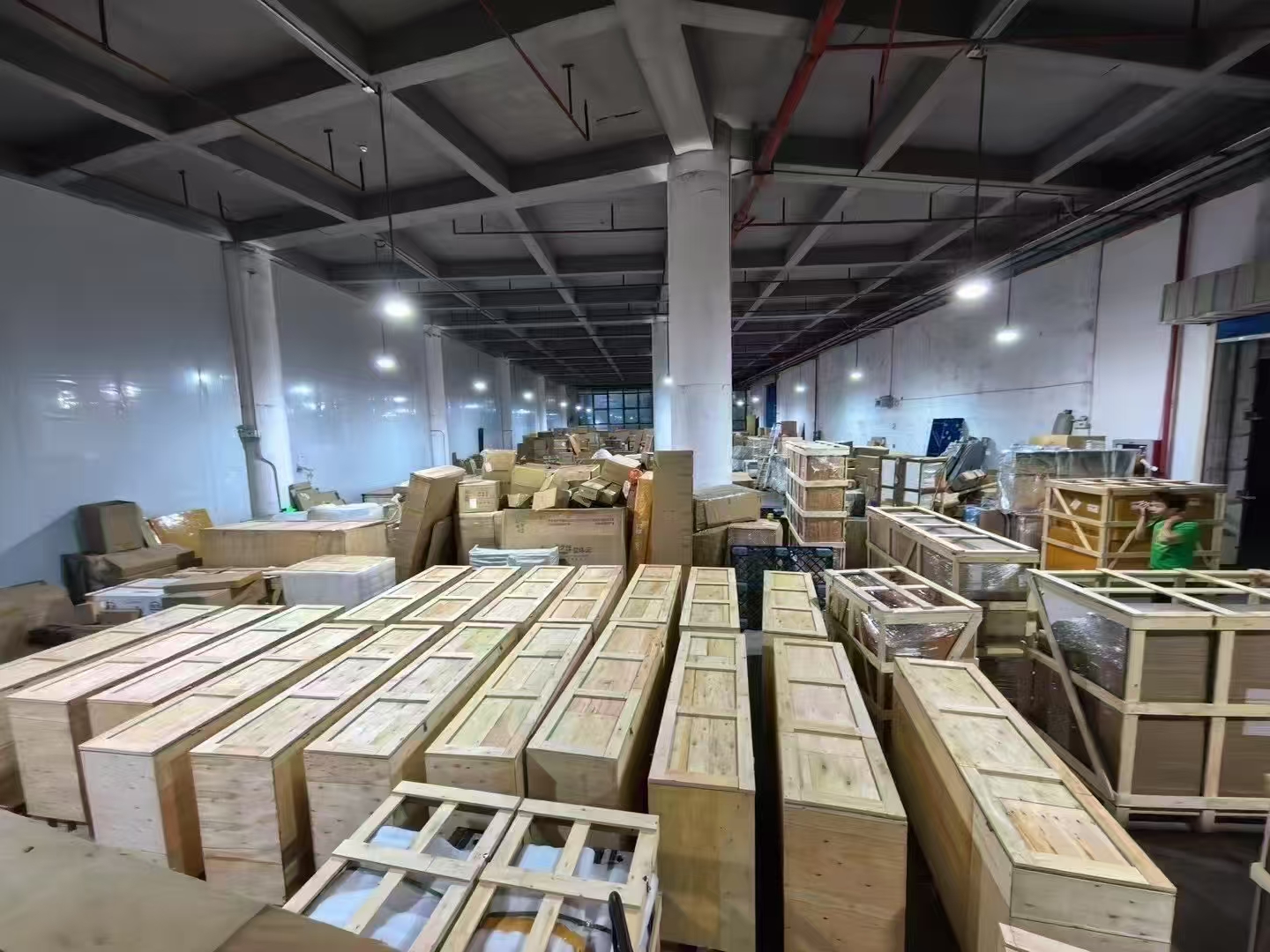
You must keep a close eye on the latest announcements from the ABF and the Department of Agriculture, Fisheries and Forestry (DAFF). Subscribe to official newsletters, follow relevant government websites, and join industry groups. This way, you can get timely updates before the policies take effect and adjust your shipping strategies accordingly.
2. Pay Attention to Packaging
Invest in high - quality packaging materials suitable for your goods. For 3C electronics, use anti - static and shock - absorbing materials. Ensure that all labels are clear, including product names, country of origin, and handling instructions. You can also consult your shipping provider for packaging guidelines.
3. Double - Check Documentation
Before shipping, review all your documents carefully. Make sure your invoices are detailed, with accurate descriptions, quantities, and values. Provide any additional certificates required, such as phytosanitary certificates for goods that contain natural materials.
4. Choose a Reliable Shipping Partner
Do your research before selecting a shipping partner. Look for companies with a good track record, experience in the China - Australia route, and positive customer reviews. A company like Orient Star Shipping can be a great choice. They have over 13 years of experience in the cross - border logistics industry, can provide a full - link cross - border logistics service from China to Australia, and help you navigate through the complex shipping process. They also have a professional team to handle documentation and customs clearance, reducing the risk of delays and fines.
IV. Comparing Shipping Channels
There are various shipping channels available for China - Australia shipping, each with its own advantages and limitations.
| Shipping Channel | Advantages | Limitations | Reference Time |
|---|---|---|---|
| Australian Sea Express | Balanced in cost and efficiency, suitable for personal shipping customers, cross - border e - commerce, and small - to - medium - sized batches of goods. | Longer transit time compared to air freight | 20 - 25 natural days |
| Australian General Sea Freight | Low cost, suitable for goods with large weight or volume and less strict time requirements. | The longest transit time | 25 - 30 natural days |
| Australian Air Express | Fastest delivery, suitable for urgent replenishment, important documents, small high - value goods, and time - sensitive items. | High cost | As fast as 3 days |
| Australian Air Economy | Balances speed and cost, suitable for those who don't need the fastest delivery but don't want to wait for sea freight. | Longer than air express | 10 - 15 days |
V. FAQ
Q: How can I determine which shipping channel is best for my business? A: Well, it depends on several factors. If you're on a tight budget and have time to spare, the sea freight options might be better. But if you're dealing with high - value, time - sensitive goods, air freight is the way to go. For example, if you're an apparel importer who needs to restock for a new season, you might want to use air express. But if you're importing bulk furniture, sea freight would be more cost - effective. You can also provide your shipping details like weight, volume, and desired arrival time to a reliable shipping company like Orient Star Shipping, and they'll help you choose the most suitable option.
Q: What if my goods are held up at customs due to incorrect information? A: First, don't panic. Contact your shipping agent immediately. They'll work with you to correct the information and resolve the issue. Usually, you'll need to provide accurate documentation as soon as possible. However, this might result in some additional costs like storage fees and administrative charges. That's why it's so important to double - check all your documents before shipping.
Q: Can I ship food products from China to Australia? A: Yes, you can, but it gets a bit tricky. Australia has strict biosecurity regulations for food products. You need to make sure that your food products meet all the requirements, such as proper labeling, ingredients declaration, and possible quarantine treatments. It's advisable to consult with your shipping partner and check the latest regulations from DAFF before shipping.
Q: Are there any hidden costs in cross - border shipping? A: There can be. Some common hidden costs include storage fees at the port if your goods are delayed, inspection fees if customs decides to inspect your shipment, and fees for incorrect documentation. A good shipping partner will try to be as transparent as possible and inform you of any potential costs upfront. That's where a professional company like Orient Star Shipping can help. They have clear pricing policies and will ensure you know what to expect.
Q: Do I need to buy insurance for my shipment? A: It's highly recommended. Shipping involves many uncertainties, such as damage, loss, or delays. Most reliable shipping companies, like Orient Star Shipping, offer basic insurance for your shipment. It's important to clarify the scope of the insurance, including the declared value and compensation terms. You can also choose to increase the insurance amount if you're shipping high - value goods.
To conclude, by being aware of the common pitfalls, following the right solutions, and making informed choices about shipping channels and partners, you can have a smooth and hassle - free cross - border shipping experience from China to Australia in 2026. Always stay updated and don't hesitate to seek professional help when needed.