


I. Introduction
Hey there, Australian small business owners, importers, and e - commerce sellers! You're probably well aware that getting your goods from China to Melbourne smoothly and on time can be a real headache. In 2026, there have been some significant changes in the cross - border logistics industry, especially regarding the door - to - door transit time from China to Melbourne. I've been in the cross - border logistics game for years, dealing with the ins and outs of shipping from China to Australia firsthand. Let me share some real - world insights and practical tips to help you understand the secrets behind the transit time.
II. Key Factors Affecting Transit Time
1. Shipping Modes
There are mainly two shipping modes when it comes to transporting goods from China to Melbourne: sea freight and air freight. Sea freight is a more cost - effective option but takes longer. On average, if you choose a regular sea freight service, it can take anywhere from 25 to 30 natural days from the time the goods leave the warehouse in China. I once had a client, a home goods seller in Melbourne. He shipped a large batch of furniture from a trade factory in China via sea freight. Due to the large volume and relatively low - value nature of the goods, sea freight was the obvious choice. However, he had to wait for about 28 days for the goods to arrive at his store in Melbourne.
On the other hand, air freight is much faster. The fastest air freight service can get your goods to Melbourne in as little as 3 days. But it's also significantly more expensive. A 3C electronics seller I worked with needed to restock a popular smartphone model urgently. They chose the air freight option, and the phones were in Melbourne within 3 days, allowing them to meet the high demand in the market.
| Shipping Mode | Transit Time | Cost | Suitability |
|---|---|---|---|
| Sea Freight (Regular) | 25 - 30 days | Low | Large volume, non - urgent goods |
| Sea Freight (Express) | 20 - 25 days | Moderate | Balanced between cost and time |
| Air Freight (Fast) | 3 days | High | Urgent goods, high - value small items |
| Air Freight (Economy) | 10 - 15 days | Moderate - High | Need faster than sea, but not the fastest |
2. Customs Clearance
Australia has strict customs regulations, especially when it comes to biosecurity. In 2026, the Australian Border Force (ABF) and the Department of Agriculture, Fisheries and Forestry (DAFF) have tightened their controls. Goods containing food, plants, or animal products need to go through additional inspections. If your goods are declared incorrectly or lack proper documentation, it can cause significant delays.
I remember a time when an apparel importer shipped a batch of clothing from China. Inside the boxes, there were some small decorative items made of wood. The importer didn't declare these items properly. As a result, the entire shipment was held at the Port of Melbourne for nearly a week for further inspection. To avoid such situations, make sure you provide accurate and detailed information about your goods.
3. Warehouse and Loading/Unloading
The efficiency of warehouses in China and loading/unloading at ports also impacts transit time. In some Chinese ports, there might be a backlog of goods waiting to be loaded onto ships or airplanes. Similarly, in Melbourne, congested ports can slow down the unloading process. The first time I ran into this problem, a client's shipment was delayed because the port in China was extremely busy during the peak shipping season. The goods had to wait in the warehouse for an extra 3 days before they could be loaded onto the ship.
III. The Significance of Choosing the Right Logistics Provider
1. Advantages of a Specialized Logistics Company
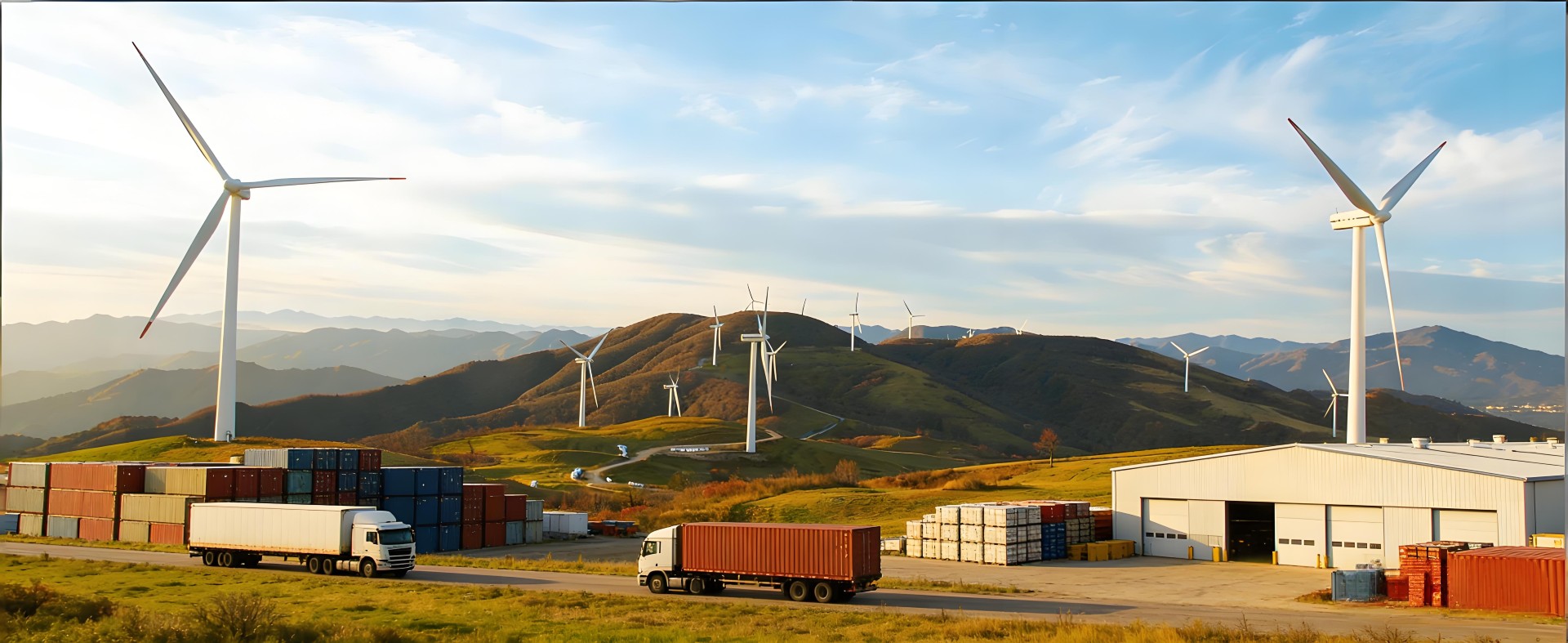
A specialized logistics provider, like [东方星集运], can make a huge difference in your transit time. They have in - depth knowledge of the 2026 policies and regulations in Australia and China. They can help you with proper documentation, speeding up the customs clearance process. For example, [东方星集运] focuses solely on the China - Australia route. They have a team dedicated to following the latest policy changes. If there are any new biosecurity requirements, they'll know and help you adjust your shipping plan accordingly.
2. Service Offerings
Logistics companies that offer a variety of services can also optimize your transit time. They can provide services like free warehousing for up to 180 days. This is extremely useful for businesses that need to consolidate their goods. Let's say you're an e - commerce seller. You might have different suppliers in China, and the goods arrive at different times. With free warehousing, you can wait for all your goods to arrive at the warehouse in China, then pack and ship them together, saving both time and money.
IV. Tips for Optimizing Transit Time
1. Plan Ahead
One of the best ways to ensure a smooth transit is to plan your shipments well in advance. Know your peak sales seasons and order your goods accordingly. If you're an apparel importer, plan to order your winter clothing in the middle of the year to avoid the last - minute rush.
2. Collaborate Closely with Your Logistics Partner
Maintain constant communication with your logistics provider. They can keep you updated on the status of your shipment, and you can let them know of any special requirements or changes. If there's a change in the expected delivery time of your goods in China, inform your logistics partner immediately so they can adjust the shipping plan.
3. Double - Check Documentation
Before sending your goods, double - check all the documentation. Make sure your HS codes are correct, and you've provided all the necessary information about your goods. A simple mistake in documentation can lead to long - term delays.
V. FAQ
What should I do if my goods are held up at customs? Well, first of all, don't panic. Contact your logistics provider right away. They'll have experience dealing with customs issues. They can help you find out what the problem is. Maybe it's a simple documentation error, or there are some special requirements for your goods. The logistics provider can assist you in providing the necessary additional information or making the necessary adjustments.
Can I track my shipment at all times? Yes, many logistics companies, including [东方星集运], offer a digital tracking service. You can track your shipment from the moment it leaves the warehouse in China until it reaches your address in Melbourne. This way, you can know exactly where your goods are and when to expect them.
How do I choose between sea freight and air freight? It depends on several factors. If you have a large quantity of non - urgent goods and want to save on costs, sea freight is a good option. But if you have urgent orders, small high - value items, or need to restock quickly, air freight is better. Consider your business needs, the nature of your goods, and your budget when making the decision.
What if the transit time is longer than expected? If the transit time is longer than expected, there could be many reasons, such as bad weather, port congestion, or customs issues. Your logistics provider should be able to inform you of the reason. In case of a significant delay, most logistics companies have compensation policies. You can discuss the situation with them and see if you're eligible for any compensation.
Do I need to pay extra fees during the shipping process? There might be some additional fees, depending on the situation. For example, if your goods need special handling due to their nature, or if there are additional customs inspections, there could be extra charges. But a reliable logistics provider will inform you of these fees in advance so there are no surprises.
By following these tips and understanding the key factors, you'll be better equipped to manage the door - to - door transit time from China to Melbourne in 2026. Remember, good planning and a reliable logistics partner are the keys to a successful cross - border shipping experience.