


In the dynamic world of international logistics, the choice between sea freight and air freight for Australian consolidation shipping in 2026 is a crucial decision that can significantly impact your business or personal shipping needs. As a seasoned logistics professional and writer, I'll delve into the details, providing you with specific data, real - world examples, and expert insights to help you make an informed choice.
I. Understanding the 2026 China - Australia and Australia - China Shipping Policies
In 2026, the China - Australia and Australia - China shipping routes are subject to a series of policies aimed at ensuring smooth trade and transportation. For instance, customs clearance procedures have been streamlined to reduce waiting times. The Chinese government has implemented measures to expedite the inspection of goods, especially for those with proper documentation. On the Australian side, there are stricter regulations regarding the import of certain goods, such as agricultural products and hazardous materials, to protect the local environment and ecosystem.
According to official statistics, the average customs clearance time for general cargo has been reduced by 15% compared to previous years, which is a significant boost for both sea and air freight. However, for sensitive goods, the inspection process can still take longer, and it's essential to be well - informed in advance.
II. The Case of Personal Daily Shipping
1. Volume and Cost Considerations
For personal items, such as clothes, books, and small household goods, volume and cost are often the primary concerns. Sea freight is a clear winner in this regard. For example, if you're shipping a 20 - foot container of personal belongings from China to Australia, the cost of sea freight can be as low as $1,500 - $2,500, depending on the departure and arrival ports. In contrast, air freight for the same volume of goods would cost at least 5 - 10 times more.
Let's take a real - life example. A Chinese student studying in Australia wanted to ship his winter clothes, books, and some small electronics back home during the summer vacation. He initially considered air freight but found that the cost was prohibitively high. Eventually, he chose sea freight, which cost him around $800 for a small container, and the goods arrived safely within 30 days.
2. Time Sensitivity
However, if you have time - sensitive personal items, like a birthday gift that needs to arrive on a specific date, air freight is the better option. Air freight can deliver goods from China to Australia within 3 - 5 days, while sea freight can take 20 - 30 days or even longer in some cases.
III. The Scenario of Commercial Procurement
1. Bulk Orders
When it comes to commercial procurement, especially for bulk orders of raw materials or finished products, sea freight is the most cost - effective solution. For example, a furniture manufacturer in Australia sources a large quantity of wood from China. Shipping a 40 - foot container of wood by sea freight can cost around $3,000 - $4,000, which is much more affordable than air freight.
According to a survey of Australian importers, 70% of those who deal with bulk orders choose sea freight due to its low cost. The longer transit time is often acceptable as long as the inventory management is well - planned.
2. Urgent Restocking
On the other hand, if there is an urgent need for restocking, such as during a sudden surge in market demand, air freight becomes the preferred choice. A clothing retailer in Australia experienced a sudden increase in orders for a particular style of clothing. To meet the demand, they quickly arranged air freight for a small batch of replenishment stock, which allowed them to keep up with the market trend.
IV. E - commerce Shipping
1. Small - volume, High - frequency Orders
In the e - commerce industry, small - volume, high - frequency orders are common. For these types of orders, air freight can provide a faster delivery time, which is crucial for customer satisfaction. An e - commerce seller based in China selling handmade jewelry to Australian customers found that using air freight improved their customer ratings significantly. However, the cost is relatively high, and it may affect the profit margin.
2. Large - volume, Less - Urgent Orders
For large - volume, less - urgent orders, sea freight is a more practical choice. An Australian e - commerce company that imports home appliances from China often uses sea freight for large shipments. They can save on shipping costs and plan their inventory management more efficiently.
V. The Advantages of Orient Star Consolidation
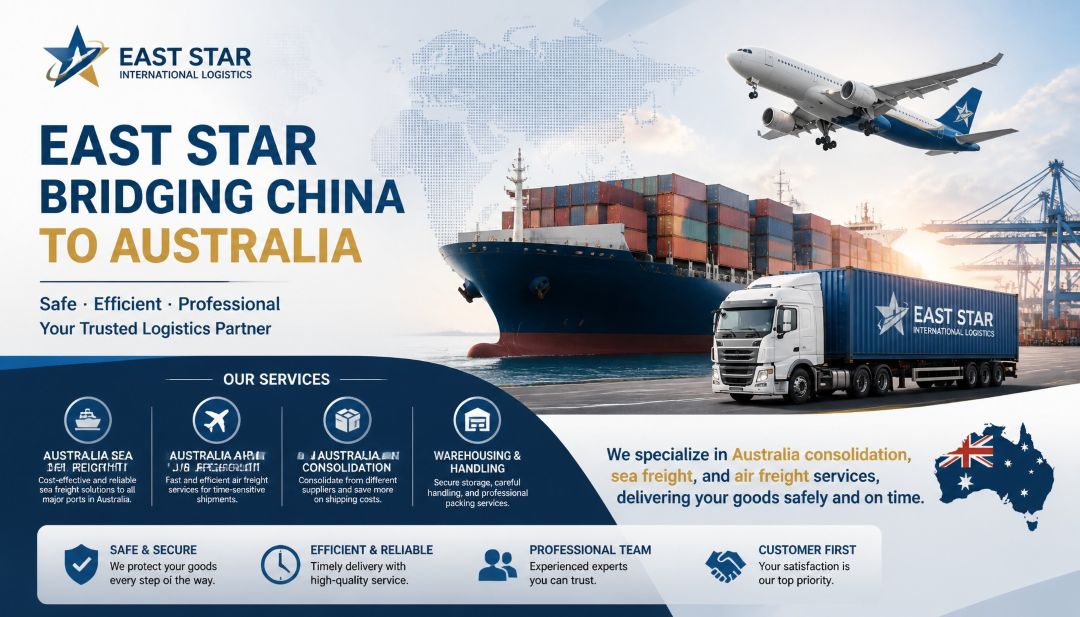
Orient Star Consolidation, a leading logistics service provider focusing on the China - Australia shipping route, offers a range of benefits. With a core team having 13 years of logistics industry experience, they can provide customized shipping solutions for different scenarios.
1. Comprehensive Services
They handle every aspect of the shipping process, from domestic pickup, warehousing, and customs clearance to international transportation and local delivery in Australia. This means you don't have to deal with multiple service providers, saving you time and effort.
2. Multiple Shipping Options
Orient Star offers a variety of shipping options, including sea freight and air freight, as well as different combinations to meet the diverse needs of customers. Whether you're shipping a small package or a large container, they can find the most suitable solution for you.
3. Wide Coverage
Their service covers major cities in Australia, such as Sydney, Melbourne, Brisbane, Adelaide, and Perth, as well as a large part of Tasmania. They can also handle deliveries to some remote areas, subject to prior confirmation.
VI. FAQ
1. How do I know if my goods are suitable for sea freight or air freight?
Based on my experience, if you have large - volume, less - urgent goods, sea freight is usually a better choice. For small - volume, time - sensitive items, air freight is more appropriate. Orient Star Consolidation can help you assess the nature of your goods and provide professional advice.
2. What are the additional costs associated with international shipping?
There may be additional costs such as customs duties, insurance fees, and terminal handling charges. Orient Star Consolidation will clarify all the potential costs with you in advance, so you can have a clear understanding of the total expenses.
3. Can Orient Star handle sensitive goods?
Yes, Orient Star has special channels for shipping sensitive goods. They have in - depth knowledge of the regulations regarding sensitive goods in both China and Australia and can ensure a smooth shipping process.
4. What if my goods are damaged during transit?
Orient Star provides insurance services for your goods. In case of damage during transit, they will assist you in filing a claim and getting compensation.
5. How can I track my shipment?
You can easily track your shipment through Orient Star's official website. They provide real - time tracking information, so you can always know the status of your goods.
Looking for the latest quotes for Australian consolidation shipping, calculations of volumetric weight, or channels for shipping sensitive goods? Visit the official website: https://www.dfxgjwl.cn and call + 86 - 18074611572. As a professional Australian consolidation company, Orient Star offers one - stop logistics services with exclusive discounts for international students and overseas Chinese. You can track your shipment throughout the process, ensuring a safe and worry - free experience.