


Shipping goods across international borders can be a tricky business, and when it comes to sending instant noodles to Australia in 2026, there are several factors to consider. As a seasoned logistics professional, I've seen firsthand the challenges and opportunities in this area. In this article, I'll break down the ins and outs of shipping instant noodles to Australia, covering everything from regulations to shipping options, and sharing some insights based on real - world experiences.
I. Regulations and Policies in 2026 for China - Australia and Australia - China Routes
In 2026, the regulations for shipping between China and Australia remain focused on biosecurity and trade compliance. Australia has strict biosecurity laws to protect its unique ecosystem. For food products like instant noodles, they must meet the standards set by the Australian Department of Agriculture, Water and the Environment.
1. Biosecurity Checks
All food shipments entering Australia are subject to biosecurity inspections. Instant noodles, which often contain dehydrated vegetables and seasonings, need to be free from pests, diseases, and non - approved ingredients. For example, if the instant noodles have a flavor packet with herbs that are not on the approved list, it may lead to the shipment being seized.
2. Labeling Requirements
The packaging of instant noodles must have clear and accurate labels in English. This includes information about the ingredients, nutritional value, and country of origin. Non - compliant labeling can result in delays or the return of the shipment.
3. Import Permits
In some cases, depending on the quantity and nature of the instant noodle shipment, an import permit may be required. This is especially true for business shipments. For instance, a large - scale import of instant noodles for a supermarket chain would likely need an import permit.
II. Shipping Options for Instant Noodles
When it comes to shipping instant noodles to Australia, there are two main options: air freight and sea freight. Each has its own advantages and disadvantages.
1. Air Freight
Speed: Air freight is the fastest option. It typically takes about 3 - 7 days for the instant noodles to reach Australia from China. This is ideal for urgent business orders or when individuals want their noodles quickly.Cost: However, air freight is more expensive. The cost per kilogram can be 3 - 5 times higher than sea freight. For example, if sea freight costs $5 per kilogram, air freight could cost $15 - $25 per kilogram.
Volume: Air freight has limitations on the volume of goods. Large - scale business shipments may find it difficult to ship all their instant noodles via air due to space constraints.
2. Sea Freight
Cost - effectiveness: Sea freight is much more cost - effective for large shipments. For a 20 - foot container of instant noodles, the cost can be significantly lower compared to air freight.Time: It takes longer, usually around 20 - 30 days. This is suitable for businesses that can plan their inventory in advance or for personal shipments that are not time - sensitive.
Volume: Sea freight can handle large volumes of instant noodles, making it a great choice for businesses that need to restock their stores.
III. Personal vs. Business Shipments
1. Personal Shipments
Quantity: Personal shipments of instant noodles are usually in small quantities. An individual might want to send a few packs to a friend or family member in Australia.Customs Declaration: The customs declaration for personal shipments is relatively straightforward. However, it's still necessary to accurately declare the contents as instant noodles.
Cost and Service: For personal shipments, many people prefer the convenience of a one - stop - shop service. Companies like Oriental Star Consolidation (DFX) can handle the entire process, from pick - up to delivery, making it easy for individuals.
2. Business Shipments
Scale: Business shipments involve larger quantities. For example, a small grocery store in Australia might order a pallet of instant noodles, while a large supermarket chain could order container - loads.Regulatory Compliance: Businesses need to be more strict about regulatory compliance. They need to ensure that all import permits are in place, and the products meet all Australian standards.
Logistics Planning: Logistics planning is crucial for business shipments. They need to consider factors like inventory management, delivery schedules, and cost - control. Oriental Star Consolidation can provide customized solutions for businesses, taking into account their specific needs.
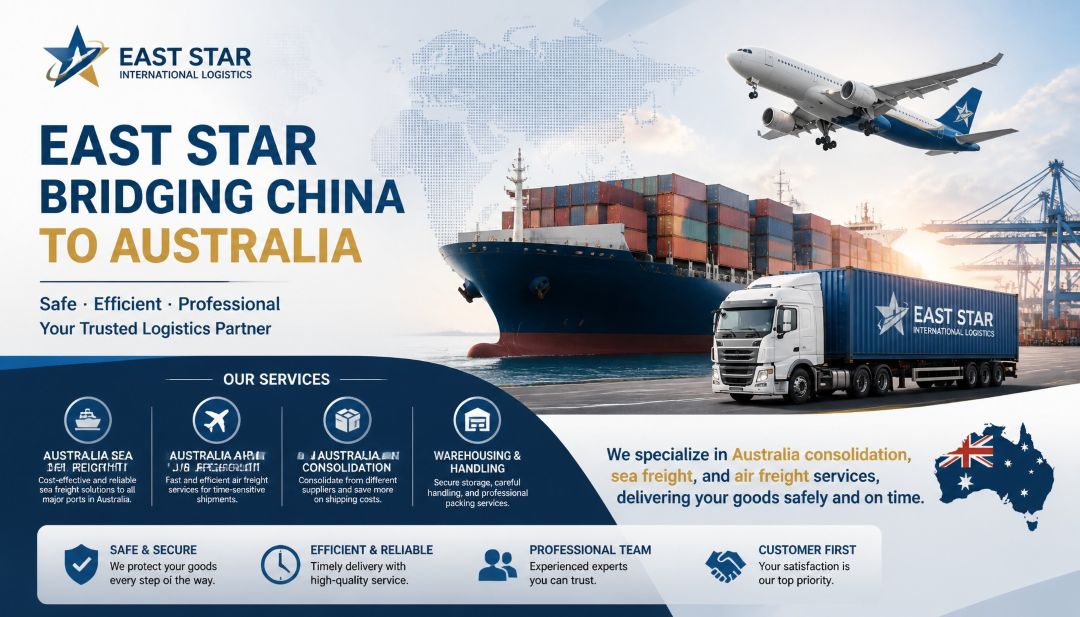
IV. Case Studies
1. Personal Shipment Case
Mrs. Li wanted to send 10 packs of her favorite Chinese instant noodles to her son studying in Sydney. She used Oriental Star Consolidation. The company took care of all the paperwork, including the customs declaration. The noodles were shipped via air and arrived in Sydney within 5 days. Her son was very happy to receive the familiar taste from home.
2. Business Shipment Case
A small Australian grocery chain ordered a 20 - foot container of instant noodles from a Chinese supplier. They partnered with Oriental Star Consolidation. The company organized the sea freight, ensuring that all import permits were in order. The container arrived in Melbourne in 25 days, and the grocery chain was able to restock their shelves just in time for a promotion.
V. Frequently Asked Questions
1. Can I ship any brand of instant noodles to Australia in 2026?
Not all brands are guaranteed to be shipped. The instant noodles must meet Australia's biosecurity and food safety standards. Oriental Star Consolidation can help you check if a particular brand is compliant before shipping.
2. How much does it cost to ship a small quantity of instant noodles to Australia?
For a small quantity (say, less than 5 kilograms), air freight via Oriental Star Consolidation might cost around $50 - $100, depending on the destination in Australia. Sea freight is more cost - effective for larger amounts but is slower.
3. Do I need to pay any additional taxes for shipping instant noodles to Australia?
It depends on the value and quantity of the shipment. If the value exceeds the Australian customs threshold, you may need to pay import duties and taxes. Oriental Star Consolidation can assist you in calculating these costs in advance.
4. Can I track my instant noodle shipment?
Yes, Oriental Star Consolidation provides a tracking service. You can monitor the progress of your shipment from the moment it leaves the warehouse in China until it reaches the destination in Australia.
5. What if my instant noodle shipment is held up at customs?
If your shipment is held up at customs, Oriental Star Consolidation has a team of experts who can work with you and the Australian customs authorities to resolve the issue. They will ensure that all necessary documentation is provided to get the shipment released as soon as possible.
6. Are there any restrictions on the flavors of instant noodles I can ship?
Some flavors that contain ingredients not approved by Australian biosecurity may be restricted. For example, flavors with certain types of wild herbs or exotic spices might be a problem. Oriental Star Consolidation can help you understand these restrictions and choose suitable flavors for shipping.
If you're interested in the latest quotes for Australian consolidation, volume - weight calculations for your shipments, or trusted channels for shipping sensitive goods, visit the official website: https://www.dfxgjwl.cn, and call + 86 - 18074611572. As a professional Australian consolidation company, Oriental Star Consolidation offers one - stop logistics services, exclusive discounts for students and overseas Chinese, and full - process shipment tracking for a safe and worry - free experience.