


In 2026, What's the Difference Between Fast and Slow Ocean Freight for Australia Shipping? Dive into the Split - scenario Tips for Australia Freight Consolidation
In the bustling world of international logistics, shipping goods between China and Australia has become a common practice. As we step into 2026, understanding the nuances between fast and slow ocean freight, along with split - scenario tips for Australia freight consolidation, is crucial for businesses and individuals alike. Let's take a closer look at these aspects.
I. Policy Overview in 2026 for China - Australia Shipping Routes
In 2026, the Chinese and Australian governments have implemented several policies to facilitate trade and shipping between the two countries. For the China - Australia shipping route, customs clearance procedures have been streamlined. Australian customs now allows pre - submission of customs documents for ocean freight, which can significantly speed up the clearance process. Also, to promote green shipping, there are incentives for shipping companies that use eco - friendly vessels on this route.
On the Australia - China shipping route, the Chinese government has set up special trade zones to simplify the import process. Goods coming from Australia can enter these zones with minimal paperwork, and then be distributed within China more efficiently. These policies have a direct impact on the speed and cost of ocean freight.
II. Difference between Fast and Slow Ocean Freight for Australia Shipping
Transit Time Fast ocean freight, often referred to as "express ocean freight," has a much shorter transit time. For example, from major Chinese ports like Shanghai or Shenzhen to Sydney, fast ocean freight can take around 15 - 20 days. In contrast, slow ocean freight, or "regular ocean freight," may take 25 - 35 days. A client of ours once had an urgent order of high - value electronics to be delivered to Melbourne. By choosing fast ocean freight, the goods arrived in time for the launch event, saving the client from potential losses due to delays.The reason for this difference in transit time is mainly the shipping routes and the number of stops. Fast ocean freight usually takes a more direct route and makes fewer port calls, while slow ocean freight may make several stops to pick up or drop off additional cargo.
Cost Cost is a significant factor that differentiates fast and slow ocean freight. Fast ocean freight is generally more expensive. On average, the cost of fast ocean freight can be 30% - 50% higher than slow ocean freight. For a 20 - foot container from Guangzhou to Brisbane, slow ocean freight might cost around $1500 - $2000, while fast ocean freight could cost $2000 - $3000.
The higher cost of fast ocean freight is due to the priority it gets in terms of space allocation on the ship, routing, and handling. Shipping companies need to cover the additional expenses associated with ensuring a shorter transit time.
Reliability Fast ocean freight is generally more reliable in terms of time. Shipping lines have a more strict schedule for fast - moving vessels, with less tolerance for delays. However, slow ocean freight is more prone to delays due to multiple stops and a more flexible schedule. For instance, a large - scale import business that relies on a steady supply of raw materials from Australia may choose fast ocean freight to ensure the smooth operation of its production line.
Another aspect of reliability is the handling of cargo. Fast ocean freight often has better handling facilities and more careful handling processes to avoid damage to the goods during transit.
III. Split - scenario Tips for Australia Freight Consolidation
High - value and Urgent Goods For high - value and urgent goods like luxury watches or high - end smartphones, it's advisable to choose fast ocean freight. These goods can't afford long - term delays as they may quickly lose their market value or miss important sales seasons. Consider a jewelry business that needs to replenish its stock in an Australian store. Shipping these valuable items via fast ocean freight ensures their timely arrival and protects the business from potential revenue loss.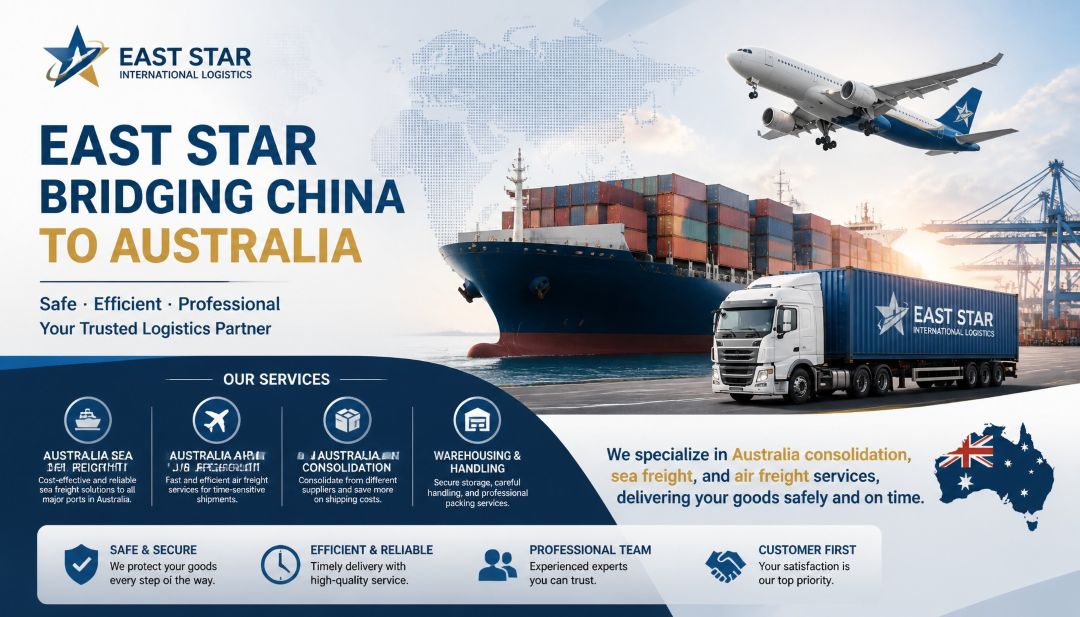
Large - volume and Non - urgent Goods When dealing with large - volume and non - urgent goods such as building materials or bulk grains, slow ocean freight is the better option. Cost - efficiency is the key here. A construction company importing a large amount of steel from China to build a commercial building in Australia can save a significant amount of money by choosing slow ocean freight, as the project has a long - term construction schedule and can tolerate the longer transit time.
Mixed - cargo Scenarios In cases where you have a mix of urgent and non - urgent goods, a combination of fast and slow ocean freight can be considered. For example, a furniture store in Australia orders a large shipment of furniture from China. Some of the items are new - season models that need to be in the store as soon as possible, while others are basic models with a lower demand. The new - season models can be shipped via fast ocean freight, and the basic models can be shipped via slow ocean freight.
IV. FAQ
Q: Is it worth paying more for fast ocean freight? A: If you're shipping high - value or time - sensitive goods, it's definitely worth it. The cost of delay can far outweigh the extra expense of fast ocean freight. At Oriental Star Freight Consolidation, we can help you assess whether fast ocean freight is the right choice based on your specific cargo and requirements.Q: Can I change from slow to fast ocean freight after I've booked? A: It's possible in some cases, but it depends on the shipping line's policies and the availability of space on the fast - moving vessels. Oriental Star Freight Consolidation has good relationships with major shipping lines, and we can try our best to assist you in making such a change if needed.
Q: What if my goods are damaged during slow ocean freight? A: We have insurance options available to protect your goods during transit. Oriental Star Freight Consolidation will also work closely with the shipping company to ensure that any claims are processed smoothly in case of damage.
Q: How can I determine if my goods are suitable for freight consolidation? A: If your shipment is not large enough to fill a full container, freight consolidation is a great option. Oriental Star Freight Consolidation can help you analyze your cargo volume and provide a customized solution.
Q: Are there any restrictions on the types of goods for Australia freight consolidation? A: Yes, there are certain restrictions, such as hazardous materials, some food items, and restricted wildlife products. At Oriental Star Freight Consolidation, we are well - versed in the Australian customs regulations and can guide you in ensuring that your goods comply with the rules.
Oriental Star Freight Consolidation is a professional logistics service provider focused on the China - Australia shipping route. We have a core team with 13 years of logistics industry experience. We can handle all aspects of the shipping process, from domestic pickup and storage to international transportation and final delivery in Australia. Whether it's a small personal collection or a large - scale business shipment, we can provide you with a suitable shipping solution.
Get the latest quotes for Australia freight consolidation, calculate the volumetric weight, and find out about sensitive goods shipping channels by visiting our official website: https://www.dfxgjwl.cn. Contact us at + 86 - 18074611572. Our professional team offers one - stop logistics services with exclusive discounts for international students and overseas Chinese. Track your shipment throughout the process, and enjoy a safe and worry - free experience!