


How to Avoid Pitfalls and Save Money in Australian Consolidation Shipping in 2026? Tips for Different Scenarios!
In 2026, the shipping route between China and Australia continues to be a bustling artery of international trade. However, navigating through the complexities of Australian consolidation shipping can feel like walking through a maze, filled with potential pitfalls and unexpected costs. As a seasoned logistics professional, I've witnessed firsthand the challenges that shippers face. In this article, I'll share some practical tips and insights to help you avoid common mistakes and save money in different shipping scenarios.
I. Understanding the 2026 China - Australia and Australia - China Shipping Policies
In 2026, the China - Australia and Australia - China shipping routes have seen some policy adjustments. For instance, there are stricter regulations on the inspection of certain goods, especially agricultural products and electronic items. The Chinese government has enhanced the pre - shipment inspection process to ensure compliance with environmental and safety standards. On the Australian side, customs clearance procedures have been streamlined in some aspects, but there are also higher requirements for documentation accuracy.
| Policy Aspect | China - Australia | Australia - China |
|---|---|---|
| Inspection | Stricter on agricultural and electronic goods | Focus on product origin and safety regulations |
| Documentation | More detailed information required | Higher accuracy needed for customs declaration |
| Clearance | Streamlined in some ports | Faster for compliant shipments |
These policies directly impact the shipping process. For example, if you're shipping agricultural products from China to Australia, you need to ensure that all the necessary phytosanitary certificates are in place. Otherwise, your goods may be held up at customs, leading to additional storage and demurrage fees.
FAQ 1: How do these new policies affect my shipping cost? Well, the stricter inspection and documentation requirements may increase the upfront cost as you might need to hire a professional customs broker or spend more time on paperwork. However, if you comply with the policies from the start, you can avoid costly delays and penalties, which actually saves you money in the long run. At Oriental Star Consolidation, we have a team of experts who are well - versed in these policies and can help you navigate through them smoothly.
II. Choosing the Right Shipping Method
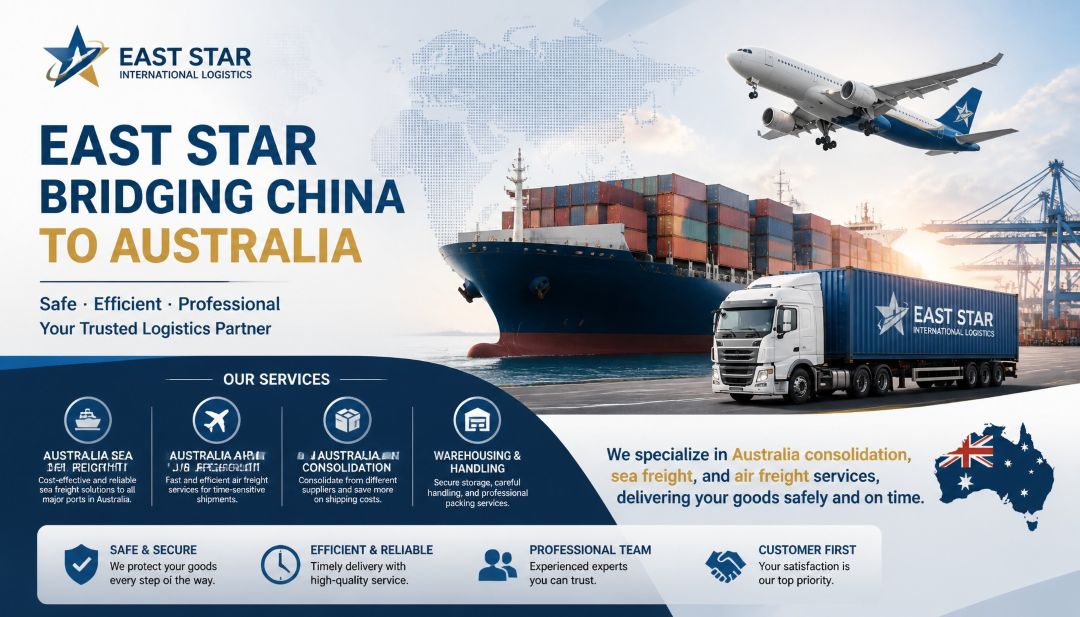
There are mainly two shipping methods for Australian consolidation shipping: sea freight and air freight. Each has its own advantages and disadvantages, and the choice depends on your specific needs.
Sea Freight
Cost - effective: Sea freight is generally much cheaper than air freight, making it a great option for large - volume or less - urgent shipments. For example, if you're shipping furniture or a large quantity of consumer goods, sea freight can significantly reduce your shipping cost.Longer Transit Time: The downside is that sea freight takes longer. The transit time for sea freight from China to Australia can range from 20 - 30 days, depending on the shipping line and the port of departure and arrival.
Air Freight
Fast Transit Time: Air freight is the way to go if you have time - sensitive goods. It can deliver your goods in as little as 3 - 5 days, which is crucial for urgent orders or perishable items.Higher Cost: But air freight comes with a higher price tag. If you choose air freight for large - volume shipments, it can quickly eat into your profit margin.
FAQ 2: How do I decide between sea freight and air freight? It all boils down to your priorities. If you're on a tight budget and time is not a critical factor, sea freight is your best bet. However, if you need your goods to arrive quickly, like for a last - minute restock in an e - commerce business, air freight is more suitable. Oriental Star Consolidation offers both sea and air freight options, and our team can help you analyze your needs and choose the most cost - effective method.
III. Packaging Optimization
Proper packaging is not only about protecting your goods but also about saving money. In shipping, the volume and weight of your package determine the shipping cost.
Reduce Package Size By optimizing the packaging design, you can reduce the overall volume of your shipment. For example, if you're shipping multiple small items, you can use nested packaging or custom - made boxes to minimize the empty space. This can help you avoid paying for unnecessary space in the shipping container.Use Lightweight Materials Choosing lightweight but strong packaging materials can also reduce the weight of your shipment. Instead of using thick wooden crates for some products, you can opt for corrugated cardboard boxes or plastic containers.
FAQ 3: How much money can I save through packaging optimization? The savings can be quite significant. In some cases, optimizing the packaging can reduce the shipping volume by 20 - 30%. This directly translates to lower shipping costs, especially for sea freight where volume is a major cost - determining factor. At Oriental Star Consolidation, we can provide you with advice on packaging optimization based on your specific goods.
IV. Partnering with a Reliable Shipping Agent
A reliable shipping agent can be your best ally in Australian consolidation shipping.
Expertise and Experience An experienced shipping agent like Oriental Star Consolidation has in - depth knowledge of the industry, including shipping routes, ports, customs regulations, and carrier networks. They can help you avoid common mistakes and find the most efficient shipping solutions.Negotiating Power Shipping agents often have better negotiating power with carriers. They can get you better rates and more favorable terms, which can save you a substantial amount of money.
FAQ 4: How do I choose a reliable shipping agent? Look for an agent with a good track record in the Australian market. Check their experience, customer reviews, and the range of services they offer. Oriental Star Consolidation has been in the business for years, with a core team having 13 years of logistics experience. We have a proven history of providing reliable and cost - effective shipping services to Australia.
V. Planning Ahead
Last - minute shipping can be expensive. By planning ahead, you can take advantage of better rates and more flexible shipping options.
Book in Advance For sea freight, booking your container well in advance can help you secure a lower rate. Shipping lines often offer early - bird discounts to fill their containers in advance.Forecast Your Shipping Needs If you're an e - commerce seller or a business, forecasting your shipping needs can help you plan your inventory and shipping schedule more effectively. This can prevent rush shipments and reduce unnecessary costs.
FAQ 5: How far in advance should I book my shipment? For sea freight, it's recommended to book at least 2 - 3 weeks in advance. For air freight, 1 - 2 weeks in advance is usually sufficient. Oriental Star Consolidation can help you with the booking process and provide you with the best time to book based on your specific situation.
In conclusion, avoiding pitfalls and saving money in Australian consolidation shipping in 2026 requires a combination of understanding policies, choosing the right shipping method, optimizing packaging, partnering with a reliable agent, and planning ahead. By following these tips, you can make your shipping process more efficient and cost - effective.
If you're looking for the latest quotes on Australian consolidation shipping, volume weight calculations, or channels for shipping sensitive goods, visit our official website: https://www.dfxgjwl.cn. You can also call us at + 86 - 18074611572. As a professional Australian consolidation shipping company, we offer one - stop logistics services with exclusive discounts for students and overseas Chinese. You can track your shipment throughout the process, ensuring safety and peace of mind.