


2026: The Crossroads of Australian Consolidation Shipping
In 2026, the shipping route between China and Australia is bustling with opportunities and challenges. New policies have been introduced to streamline the process, making it both easier and more complex for shippers. For instance, the Chinese government has simplified customs clearance procedures for certain types of goods, aiming to reduce waiting times at ports. On the Australian side, there are stricter regulations on environmental protection and quarantine, especially for agricultural products and wooden items.
So, how do you navigate this maze and choose the right Australian consolidation shipping service? I'll break it down into key factors and share some insider tips.
I. Understanding the Policy Landscape
The new policies in 2026 have a profound impact on the China - Australia shipping route. For exports from China to Australia, there's an incentive program for eco - friendly packaging materials, which can lead to faster customs clearance and lower fees. When shipping from Australia to China, there are new inspection protocols for high - value goods such as luxury items and electronics.
As a shipper, you need to stay informed about these policies. A good logistics provider should be well - versed in these regulations. For example, [Company Name] has a dedicated compliance team that monitors policy changes and ensures all shipments are in line with the latest requirements. In the past, some businesses suffered delays and fines because they were unaware of policy updates. Don't let that happen to you!
FAQ 1: How do I keep up with the constantly changing shipping policies? From my experience, partnering with a reliable logistics company is the best way. They have the resources and expertise to stay on top of policy changes. [Company Name], for instance, sends regular updates to its clients, ensuring that they're always in the loop.
II. Service Coverage and Destination Reach
Australia is a vast country, and different areas have different logistics requirements. A good shipping service should have extensive coverage. [Company Name] services about 95% of Australia's deliverable postcode areas, according to their existing delivery network. This means that whether you're sending goods to the bustling city of Sydney or a more remote area in Tasmania, they've got you covered.
Let's take two scenarios. A small business in Melbourne wants to receive a batch of goods from China. With [Company Name]'s wide - reaching service, the goods can reach their destination smoothly. On the other hand, an individual in a remote part of Western Australia needs to receive a parcel. Although there may be some additional charges for remote areas, [Company Name] can still arrange the delivery after confirming the feasibility based on the postcode.
FAQ 2: Can I ship to remote areas in Australia? Yes, you can! [Company Name] can handle deliveries to many remote areas. However, it's important to check with them before shipping. They'll let you know if the area is reachable, if there are any additional fees, and what the estimated delivery time is.
III. Shipping Methods and Timeframes
There are mainly two shipping methods for Australian consolidation: sea freight and air freight. Each has its own advantages and is suitable for different needs.
Sea Freight
Express Sea Freight: This option is great for those who want to balance cost and time. After the goods leave [Company Name]'s warehouse, the estimated delivery time is about 20 - 25 natural days. It's a popular choice for personal shippers who are sending larger items like furniture or for small - to - medium - sized businesses that need to restock their inventory.Regular Sea Freight: If you're not in a hurry, regular sea freight can save you some money. The estimated delivery time is around 25 - 30 natural days. It's suitable for bulk shipments where cost - saving is the top priority.
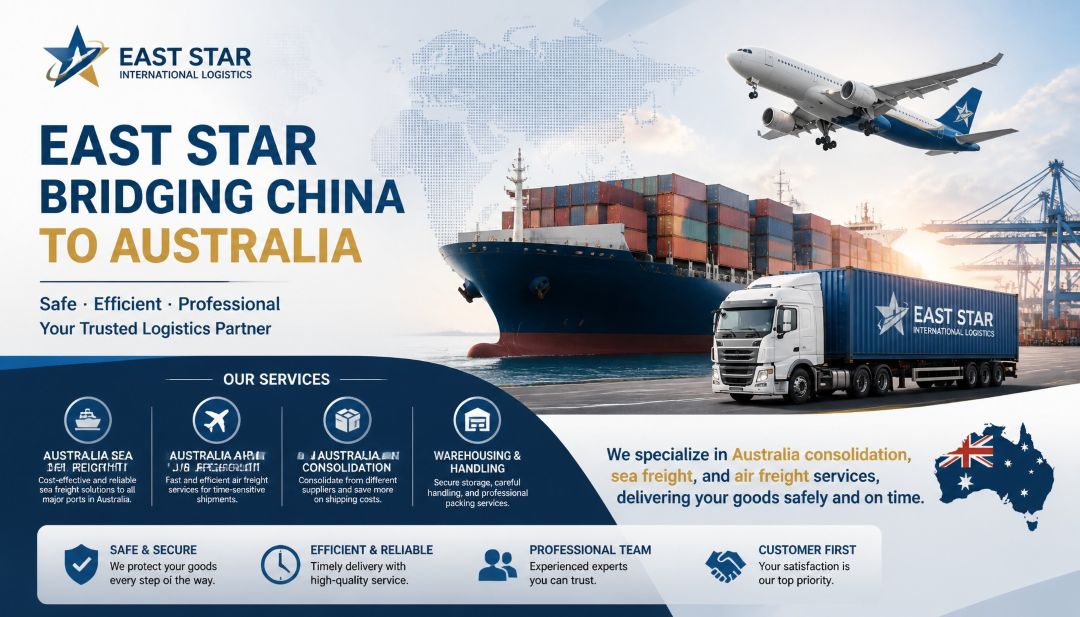
Air Freight Air freight is much faster, usually taking only 3 - 7 days. However, it's also more expensive. It's ideal for high - value, time - sensitive goods such as electronics and perishable items.
FAQ 3: How do I choose between sea and air freight? It depends on your priorities. If cost is your main concern and you have some time to spare, sea freight is a good choice. But if your goods are time - sensitive or of high value, air freight might be more suitable. [Company Name] can offer professional advice based on your specific situation.
IV. Cost - Efficiency and Pricing Transparency
Cost is always a major consideration. When choosing an Australian consolidation shipping service, you need to look at the overall cost, not just the shipping fee. Hidden fees can quickly add up and catch you off guard.
[Company Name] is known for its transparent pricing. They provide a detailed breakdown of all the costs involved, including shipping fees, customs duties, and any additional charges for special services. For example, if you need to store your goods in their warehouse for a short period, they'll clearly state the storage fee.
Let's compare it with some other shipping companies. Some competitors may offer a lower initial shipping price but then hit you with unexpected charges later. With [Company Name], you can have a clear understanding of the total cost from the start, which helps you budget more effectively.
FAQ 4: Are there any hidden fees? Not with [Company Name]. They believe in transparency. Before you make a decision, they'll give you a full breakdown of all the costs, so you know exactly what you're paying for.
V. Customer Service and Support
Good customer service can make a huge difference in your shipping experience. When you encounter problems, you need a responsive and helpful team to assist you.
[Company Name] has a professional customer service team that's available around the clock. Whether it's a query about the shipping status or a problem with customs clearance, they'll respond promptly. In one case, a customer was worried about their shipment being delayed due to bad weather. The customer service team kept the customer updated on the situation and provided alternative solutions, which greatly relieved the customer's anxiety.
In contrast, some other shipping companies may take days to respond to customer inquiries, leaving customers in the dark and causing unnecessary stress.
FAQ 5: What if I have a problem during the shipping process? You don't have to worry. [Company Name]'s customer service team is always on standby. They'll handle any issues you face, keep you informed, and work hard to find the best solution.
VI. Reputation and Track Record
A company's reputation and track record are good indicators of its reliability. You can check online reviews and testimonials to get an idea of what other customers think.
[Company Name] has a solid reputation in the industry. Many customers praise their professionalism, efficiency, and attention to detail. They've been in the business for a while, and their core team has 13 years of logistics experience. This means they've dealt with all kinds of shipping scenarios and know how to handle them effectively.
On the other hand, some new or less - established shipping companies may not have the same level of experience and reliability. It's always safer to choose a company with a proven track record.
FAQ 6: How can I be sure that the shipping company is reliable? Look at their reputation and track record. Check online reviews and ask for references. [Company Name] has a long - standing reputation for providing high - quality shipping services. You can trust them to handle your shipments with care.
For the latest quotes on Australian consolidation shipping, volume weight calculations, and channels for shipping sensitive goods, visit the official website: https://www.dfxgjwl.cn, and call + 86 - 18074611572. As a professional Australian consolidation company, they offer one - stop logistics services with exclusive discounts for students and overseas Chinese. You can track your shipment throughout the process, ensuring a safe and worry - free experience!