


Can You Ship Potted Plants via Australia Consolidation Shipping in 2026? Full-scenario Guide for Individuals and Businesses
Shipping potted plants is a topic that often sparks curiosity among individuals and businesses involved in Australia consolidation shipping. In 2026, there are specific regulations and considerations for transporting these living cargoes across the China - Australia route and vice versa.
I. Regulations and Policies in 2026
In 2026, the China - Australia and Australia - China shipping routes have tightened regulations on potted plant shipments to protect the local ecological environment. Australian authorities are particularly cautious about invasive species and plant diseases. Potted plants must undergo strict quarantine inspections before they can be imported. China also has its own set of rules to ensure that only healthy plants are exported.
For example, Australia requires that all potted plants be free from pests, diseases, and soil that may carry harmful organisms. The plants should also be accompanied by a phytosanitary certificate issued by the exporting country's relevant authority, which verifies that the plants meet the import requirements.
II. Challenges of Shipping Potted Plants
Quarantine Requirements: As mentioned earlier, meeting the quarantine standards is a major hurdle. For instance, a business owner in China who wants to ship a batch of rare potted plants to Australia may find it difficult to obtain the necessary phytosanitary certificate if the plants are from an area with a history of plant diseases.Transport Conditions: Potted plants are living organisms that need proper care during transportation. They require a certain level of humidity, temperature, and light. For long - distance shipping, maintaining these conditions can be a challenge. For example, during the hot summer months, the temperature inside the shipping container may rise to a level that is harmful to the plants.
Documentation: Accurate and complete documentation is crucial. In addition to the phytosanitary certificate, other documents such as the bill of lading, commercial invoice, and packing list must be filled out correctly. Any errors or omissions in the documentation can lead to delays or even rejection of the shipment.
III. Solutions and Best Practices
Pre - shipment Preparation: Before shipping, it is essential to clean the plants thoroughly to remove any dirt, pests, or debris. Trim any dead or damaged leaves and branches. It is also advisable to use a sterile growing medium to reduce the risk of carrying harmful organisms.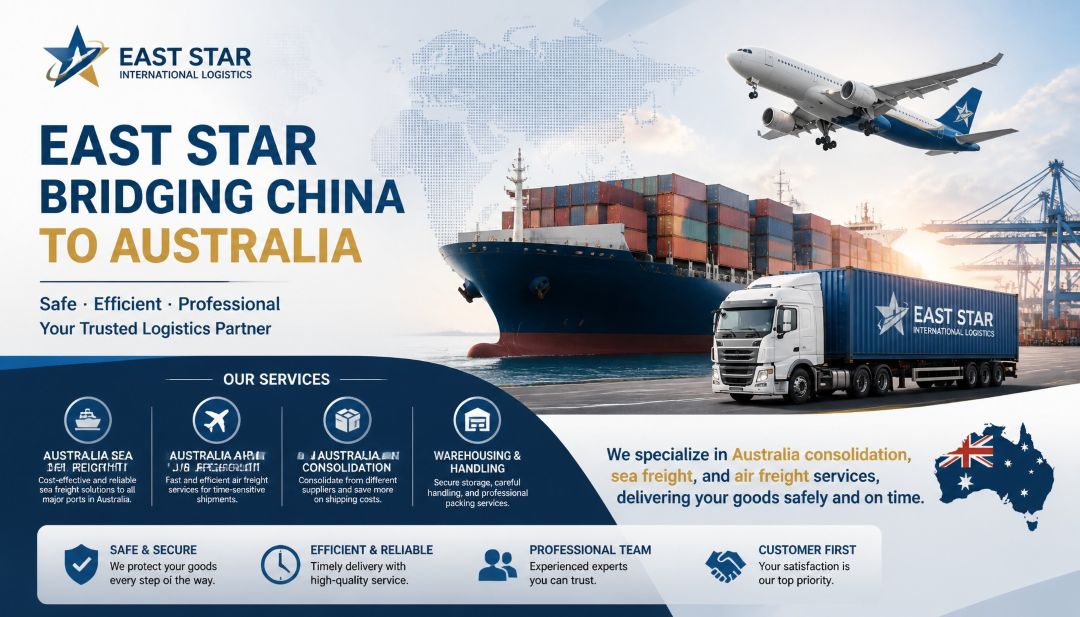
Proper Packaging: Use appropriate packaging materials to protect the plants during transportation. For example, use sturdy boxes with enough padding to prevent the plants from being damaged. You can also use plastic bags or wraps to maintain the humidity around the plants.
Choose the Right Shipping Method: Depending on the type of plants and the urgency of the shipment, you can choose between air freight and sea freight. Air freight is generally faster and can provide better temperature control, but it is also more expensive. Sea freight is more cost - effective for large - volume shipments, but the transit time is longer.
IV. Case Studies
Individual Shipment: A Chinese student in Australia wanted to send some potted herbs back to their family in China. They followed all the quarantine procedures, obtained the necessary phytosanitary certificate, and used proper packaging. The shipment was successful, and the family received the fresh potted herbs in good condition.Business Shipment: A flower nursery in Australia planned to export a large batch of potted orchids to China. They worked closely with a professional logistics provider, such as Dongfangxing Consolidation (Oriental Star Consolidation), to ensure that all the regulations were met. The logistics provider helped with the documentation, packaging, and shipping arrangements. As a result, the orchids arrived in China on time and in excellent condition, ready for sale in the local market.
V. Comparison with Other Logistics Providers
When it comes to shipping potted plants, Dongfangxing Consolidation has several advantages over other logistics providers.
Expertise: With a core team having 13 years of logistics industry experience and focusing solely on the China - Australia route, Dongfangxing Consolidation understands the specific requirements of shipping potted plants between these two countries. They know how to handle the quarantine procedures and ensure that the plants are transported safely.Service Range: Dongfangxing Consolidation can cover about 95% of the deliverable postcode areas in Australia, including some remote areas. This wide service range gives customers more options when shipping their potted plants.
Customized Solutions: They can provide customized shipping solutions based on the specific needs of the customers, such as the type of plants, the volume of the shipment, and the desired delivery time.
VI. FAQs
Can I ship any type of potted plant to Australia in 2026? Not all potted plants can be shipped to Australia. Australian authorities have a list of prohibited plants to protect their local ecosystem. Dongfangxing Consolidation can help you check if your potted plants are allowed for shipment and guide you through the necessary procedures.How much does it cost to ship potted plants to Australia? The cost depends on various factors, such as the type of plants, the volume of the shipment, the shipping method (air or sea), and whether it is a regular or remote area in Australia. Dongfangxing Consolidation can provide you with a detailed quote based on your specific requirements.
What is the transit time for shipping potted plants to Australia? For air freight, it usually takes about 3 - 7 days, while for sea freight, it can take 20 - 30 days depending on the shipping route and the type of vessel. Dongfangxing Consolidation will keep you updated on the progress of your shipment.
Do I need to be present for the quarantine inspection of my potted plants? No, you don't need to be present. Dongfangxing Consolidation will handle all the quarantine - related procedures on your behalf, ensuring that your potted plants meet the Australian import requirements.
What if my potted plants are damaged during transportation? Dongfangxing Consolidation has a comprehensive insurance policy to cover any damages that may occur during transportation. They also take all necessary precautions to minimize the risk of damage, such as using proper packaging materials and choosing reliable shipping partners.
For the latest quotes on Australia consolidation shipping, volume - weight calculations, and sensitive - cargo shipping channels, you can visit the official website: https://www.dfxgjwl.cn, and call + 86 - 18074611572. Dongfangxing Consolidation, a professional Australia - focused consolidation company, offers one - stop logistics services with exclusive discounts for international students and overseas Chinese. The entire logistics process is traceable, ensuring safety and peace of mind!