


Is LCL More Cost - effective Than FCL in Australia Consolidation Shipping in 2026? All - scenario Analysis for Personal and Business Shipping Needs
In the dynamic world of Australia consolidation shipping, the year 2026 is set to bring various changes, especially in the policies governing the China - Australia and Australia - China shipping routes. It's crucial for shippers, whether individuals or businesses, to understand the cost - effectiveness of Less - than - Container - Load (LCL) and Full - Container - Load (FCL) shipping.
I. 2026 Policy Outlook for China - Australia and Australia - China Shipping Routes
In 2026, the China - Australia and Australia - China shipping routes are expected to experience a more streamlined policy environment. The Chinese government has shown an increased commitment to promoting cross - border trade, which includes the implementation of more favorable customs clearance policies. For example, there will be a simplified customs declaration process for certain types of goods, reducing the time and paperwork involved in shipping.
On the Australian side, the government is focusing on enhancing the efficiency of its ports. New regulations will be in place to ensure faster turnaround times for ships, which will ultimately benefit both LCL and FCL shippers. Additionally, there will be a push towards more sustainable shipping practices, with incentives for companies that adopt eco - friendly shipping methods.
II. Understanding LCL and FCL
LCL Shipping: LCL is like a shared ride in the shipping world. Shippers who don't have enough goods to fill an entire container can share a container with other shippers. This is a great option for small - scale businesses or individuals who are shipping a limited quantity of items. For instance, a small online store in China that wants to send a few dozen pieces of clothing to Australia can choose LCL.FCL Shipping: FCL, on the other hand, is similar to having a private car. The shipper rents an entire container for their exclusive use. This is ideal for larger businesses that have a large volume of goods to transport. A furniture manufacturer in Australia that is importing a large number of wooden chairs from China would likely opt for FCL.
III. Cost - effectiveness Analysis for Personal Shipping Needs
Small - Quantity Shipments: For personal shippers who are sending a few items, such as a student moving to Australia with a few suitcases worth of personal belongings or a person sending a gift to a friend in Australia, LCL is usually the more cost - effective option. According to industry data, the cost of LCL for small - quantity shipments can be up to 30% lower than FCL. For example, if you are sending a single box of books weighing around 20 kg, the LCL cost might be around $50, while FCL would be much more expensive as you would be paying for an entire container.Large - Quantity Personal Shipments: However, if a person is moving to Australia permanently and has a large amount of furniture and household items, FCL may be more cost - effective. Let's say you have a three - bedroom house full of furniture that needs to be shipped. The cost of LCL for such a large volume of goods would be high due to the additional handling and sharing fees. In this case, renting an entire container might save you money in the long run.
IV. Cost - effectiveness Analysis for Business Shipping Needs
Small and Medium - Sized Enterprises (SMEs): SMEs often have fluctuating shipping needs. When their order volumes are low, LCL can be a great choice. For example, a small electronics business in China that is sending a batch of 50 smartwatches to Australia may find LCL to be the most economical option. But as the business grows and the order volumes increase, they may need to switch to FCL. A study shows that SMEs that switch to FCL once their shipment volumes reach a certain threshold can save up to 20% on shipping costs.Large Corporations: Large corporations usually have a high volume of goods to ship on a regular basis. They almost always opt for FCL because it offers more control over the shipping process and can be more cost - effective in the long term. A large clothing brand that ships thousands of garments from Australia to China every month would prefer FCL to ensure timely and efficient delivery.
V. Other Factors to Consider
Shipping Time: LCL generally takes longer than FCL because the container needs to be filled with goods from multiple shippers before it can be shipped. FCL, on the other hand, can be shipped immediately once the container is loaded. This is an important factor for businesses that have tight deadlines.Risk of Damage: In LCL, since the goods are shared with other shippers, there is a slightly higher risk of damage during handling. FCL reduces this risk as the goods are not moved around as much.
VI. Industry FAQs
Q: As a small business owner, when should I consider switching from LCL to FCL?
A: You should consider switching when your shipment volume consistently reaches a level where the cost of FCL becomes comparable to or lower than LCL. For example, if you find that you are constantly shipping enough goods to fill at least 70% of a container, it might be time to make the switch. At this point, you can take advantage of the economies of scale that FCL offers. And with a company like Oriental Star Consolidation, we can help you accurately assess your shipping volume and determine the best time to switch.Q: I'm an individual shipping a few small items. Can Oriental Star Consolidation handle LCL shipments?
A: Absolutely! Oriental Star Consolidation specializes in all types of shipments, including LCL for small - quantity personal items. We have a well - established network in Australia that ensures your items are shipped safely and efficiently. We'll also take care of all the customs clearance and other details so you don't have to worry about a thing.Q: What are the advantages of using LCL for a large business during off - peak seasons?
A: During off - peak seasons, a large business may not have enough goods to fill a container. In such cases, LCL allows the business to still ship their products without having to pay for an entire container. This helps in cost - saving. Oriental Star Consolidation can provide you with the best LCL options during these times, and our long - standing relationships with carriers can ensure you get competitive rates.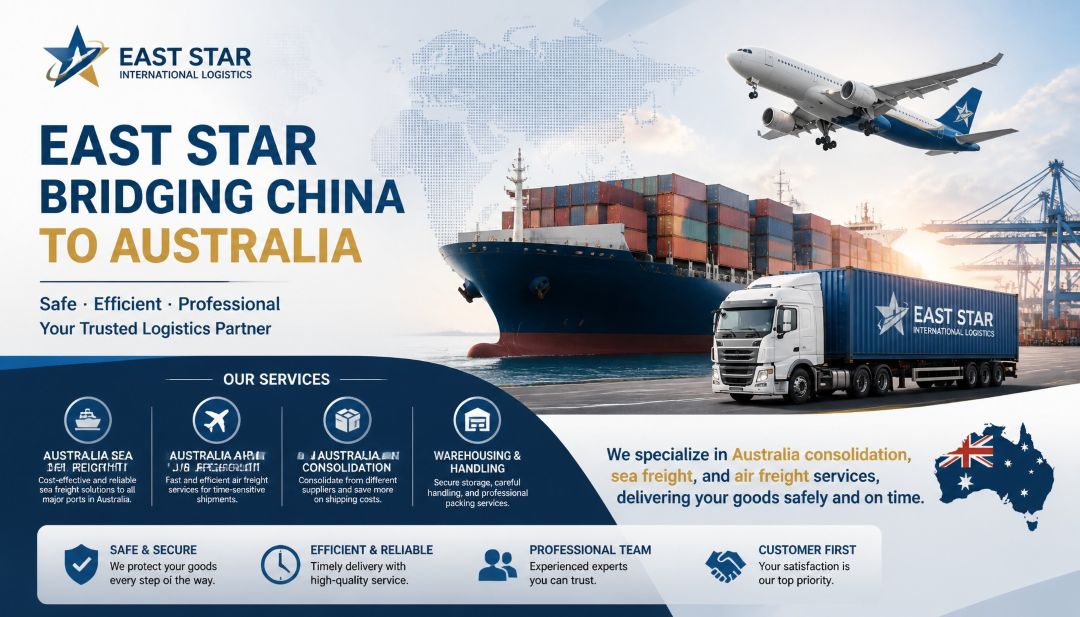
Q: Will the new 2026 policies affect the cost of LCL and FCL shipping?
A: The new policies are aimed at improving the overall shipping process. Although there may be some minor adjustments in the short term, in the long run, they are likely to lead to more cost - effective shipping options. For example, the simplified customs clearance process may reduce the additional costs associated with delays. Oriental Star Consolidation keeps a close eye on these policy changes and will work to ensure that our customers get the best rates possible.Q: How does Oriental Star Consolidation ensure the safety of my goods in LCL shipments?
A: We have strict packing and handling procedures in place. Our team carefully inspects and packs each item to minimize the risk of damage. Also, we work with trusted carriers and logistics partners in Australia to ensure that your goods are transported safely. Additionally, we provide insurance options for an extra layer of protection.For the latest quotes on Australia consolidation shipping, calculations of volumetric weight, and information on shipping sensitive goods, visit our official website: https://www.dfxgjwl.cn, or call us at + 86 - 18074611572. As a professional Australia consolidation company, we offer one - stop logistics services with exclusive discounts for students and overseas Chinese. You can track your shipment throughout the process, ensuring a safe and worry - free experience.