


Can You Ship Plant Seeds via Australian Consolidated Shipping in 2026? Answers for Personal and Commercial Shipping Scenarios
Shipping plant seeds to and from Australia can seem like a tricky puzzle, especially with constantly changing regulations. In 2026, the rules around shipping plant seeds through Australian consolidated shipping have some important aspects to understand, whether it's for personal or commercial reasons. Let's break it down.
I. Regulations for Personal Shipping of Plant Seeds
Importing Seeds to Australia for Personal Use Australia has very strict biosecurity laws to protect its unique ecosystem. For personal seed shipments in 2026, you're generally allowed to bring in a small quantity of certain types of seeds. For example, common vegetable seeds like tomatoes and cucumbers are often permitted if they meet specific requirements.However, you must declare all seeds at the border. Failure to do so can result in hefty fines. In fact, in recent years, fines for non - declaration of biosecurity items have increased to up to AUD 266,400 for individuals and AUD 1.332 million for corporations.
The seeds also need to be free from pests, diseases, and soil. You may be asked to provide a phytosanitary certificate, which is a document stating that the seeds have been inspected and are safe to enter the country.
Exporting Seeds from Australia for Personal Use When it comes to sending seeds out of Australia for personal reasons, you also need to follow strict regulations. Some native Australian seeds are protected and cannot be exported without proper permits. For instance, seeds from endangered plant species are off - limits.
II. Regulations for Commercial Shipping of Plant Seeds
Importing Seeds to Australia for Commercial Purposes Commercial seed importers in 2026 face even more rigorous requirements. They need to have an import permit from the Australian Department of Agriculture, Water and the Environment. This permit is based on a risk assessment of the seeds.The seeds must be tested for a wide range of pathogens and pests. Many commercial seed shipments are subject to post - entry quarantine. This means the seeds will be held in a quarantine facility for a certain period to ensure they are safe.
Exporting Seeds from Australia for Commercial Purposes Commercial exporters of Australian seeds must also obtain the necessary export permits. The process involves proving that the seeds are legally sourced, free from pests and diseases, and meet the importing country's requirements.
They may need to provide detailed documentation about the seeds, such as their origin, variety, and any treatments they have undergone.
III. China - Australia and Australia - China Shipping Routes in 2026
Policy Changes on China - Australia Routes In 2026, the shipping policies between China and Australia regarding plant seeds have been adjusted to enhance biosecurity cooperation. Both countries have agreed to share more information about seed shipments, which means more detailed pre - shipment inspections.For Chinese exporters sending seeds to Australia, they need to be extra careful about complying with Australian regulations. On the other hand, Australian exporters to China also need to meet China's strict biosecurity standards, such as having a valid phytosanitary certificate issued by the relevant Australian authorities.
Policy Changes on Australia - China Routes Australia has tightened some of its export controls for seeds going to China. This is to prevent the spread of any Australian - specific pests or diseases to China's agricultural systems. Chinese importers should expect more in - depth inspections of Australian seed shipments at Chinese ports.
IV. FAQ - Frequently Asked Questions
Can I ship a small packet of flower seeds for my friend in Australia? As an experienced shipper, I can tell you that you can ship a small packet of flower seeds for personal use, but you must declare them at the Australian border. Make sure the seeds are clean and free from pests and soil. It's also a good idea to check if there are any specific restrictions on the type of flower seeds you're sending. With Oriental Star Consolidation, we can provide guidance on the proper declaration process to ensure a smooth shipping experience.What if I'm a small - scale commercial grower in China and want to import Australian seeds? You'll need to obtain an import permit from the relevant Chinese authorities and comply with Australian export regulations. Oriental Star Consolidation can assist you in navigating the complex paperwork and ensuring that your seed shipment meets all the requirements. We have experience in handling such shipments and can help streamline the process.
Are there any sensitive types of seeds I should avoid shipping between China and Australia? Yes, there are. Seeds from endangered plant species, as well as those known to carry high - risk pests or diseases, should be avoided. Oriental Star Consolidation has in - depth knowledge of these restrictions and can help you identify whether the seeds you intend to ship are sensitive or not.
How long does it usually take for a commercial seed shipment between Australia and China to clear customs? It can vary depending on many factors, such as the type of seeds, the completeness of the documentation, and whether any additional inspections are required. On average, it can take anywhere from a few days to a couple of weeks. Oriental Star Consolidation has a good track record of expediting the customs clearance process, thanks to our established relationships with customs authorities and our attention to detail in preparing all the necessary documents.
What if my seed shipment is rejected at the border? If your shipment is rejected, it's usually due to non - compliance with biosecurity regulations. Oriental Star Consolidation can work with you to understand the reason for the rejection and help you take corrective actions. In some cases, we may be able to assist in resubmitting the shipment with the proper documentation and treatments to meet the requirements.
V. The Advantage of Oriental Star Consolidation
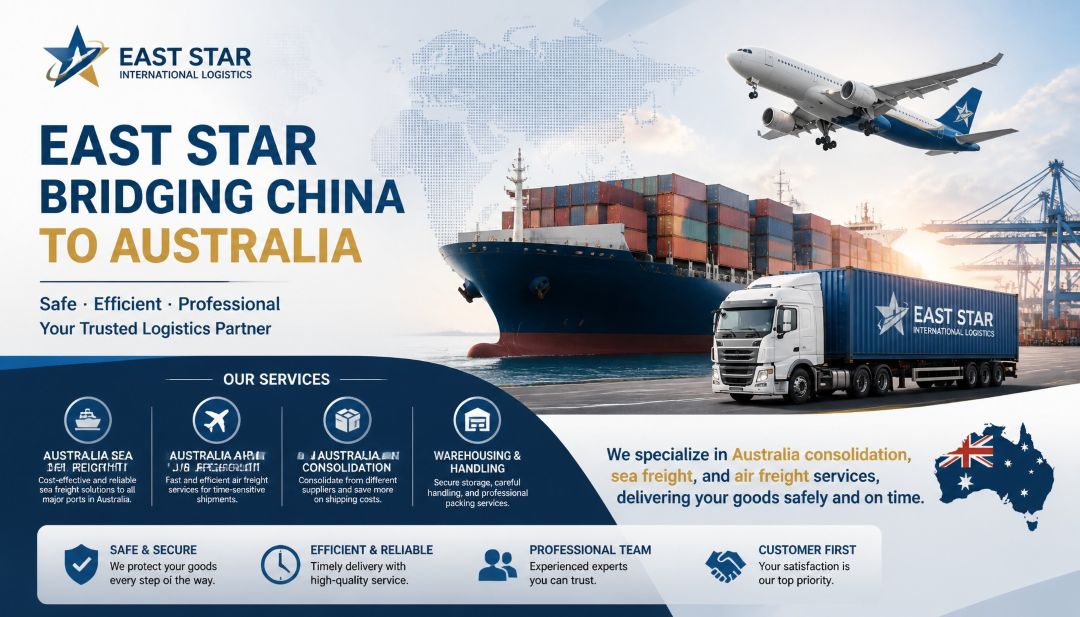
Oriental Star Consolidation stands out in the field of Australian consolidated shipping. We have a team of experts who are well - versed in the ever - changing regulations regarding plant seed shipping. Our in - depth knowledge of the 2026 China - Australia and Australia - China shipping policies allows us to provide our customers with accurate and up - to - date information. We offer a comprehensive range of services, from helping with documentation preparation to coordinating with customs authorities. Our goal is to ensure that your seed shipments, whether personal or commercial, reach their destination safely and in compliance with all relevant regulations.
In conclusion, shipping plant seeds to and from Australia in 2026 requires a good understanding of the regulations. Whether you're an individual sending seeds to a friend or a commercial grower importing or exporting seeds, Oriental Star Consolidation can be your reliable partner in navigating the complex world of Australian consolidated shipping.
Get the latest quotes for Australian consolidation shipping, calculate the volumetric weight, and find out about sensitive cargo shipping channels by visiting our official website: https://www.dfxgjwl.cn. You can also call us at + 86 - 18074611572. As a professional Australian consolidation shipping company, we offer one - stop logistics services with exclusive discounts for students and overseas Chinese. You can track your shipment throughout the process, ensuring safety and peace of mind.