


In the dynamic world of international shipping, especially the bustling Australia - China shipping routes, the question of "Pay on Delivery" (POD) is on the minds of many. In 2026, the rules and options for POD in Australia consolidated shipping vary depending on multiple factors, from the nature of the sender (personal or business) to the shipping policies in place between the two countries.
I. Personal Senders
Common Practices For personal senders shipping from China to Australia in 2026, POD is not as common as pre - payment. Most personal items are sent through courier services like DHL, FedEx, or through freight forwarders. According to industry data, only about 15% of personal shipments from China to Australia offer POD options. For example, a student in China sending personal belongings to their new place in Australia usually pays upfront to ensure the smooth processing of the shipment.
Reasons Behind Limited POD One of the main reasons is the higher risk associated with POD for carriers. There's a chance that the recipient may refuse the package, leaving the carrier with additional costs. Also, personal shipments often have a lower volume, and the administrative cost of setting up POD may not be worth it for the shipping companies.
When POD is Possible However, some smaller local carriers or niche shipping services may offer POD for personal senders. These services usually target specific regions or types of personal items. For instance, if you're sending a small, valuable item like a piece of jewelry, a local shipping service might agree to POD, but they'll likely charge a higher fee to cover the risk.
FAQ 1: As a personal sender, why can't I easily get a POD option? Well, shipping companies face a lot of uncertainties with POD. There's always a risk that the recipient won't pay, and then the carrier is left in a tough spot. Also, for small - scale personal shipments, the extra administrative work for POD isn't really cost - effective. At Oriental Star Consolidation, we understand these concerns, but in some special cases, we can help you explore POD possibilities.
II. Business Sellers
Large - scale Shipments Business sellers in China exporting goods to Australia in 2026 have more options for POD. For large - scale shipments, such as a furniture manufacturer sending a container full of products, POD can be negotiated. In fact, around 30% of business - to - business shipments from China to Australia in 2026 use some form of POD arrangement. This is because businesses have more established relationships with suppliers and are more likely to honor the payment.POD Agreements These agreements are usually based on long - term contracts between the seller and the buyer. The shipping company acts as an intermediary to ensure the goods are delivered safely and the payment is collected. For example, a clothing brand in China may agree with an Australian distributor that the payment will be made upon successful delivery of a new clothing line.
Impact of Policies The policies between China and Australia in 2026 also play a role. The new trade facilitation policies encourage more flexible payment methods, including POD, to boost bilateral trade. However, there are still regulations to ensure that both parties' rights are protected.
FAQ 2: As a business seller, what should I consider when choosing POD? You need to think about your relationship with the buyer. If it's a long - term and trustworthy partner, POD can be a great option. Also, understand the shipping company's POD process and any associated fees. Oriental Star Consolidation has a lot of experience in handling business - to - business shipments. We can guide you through the whole POD agreement process and make sure everything goes smoothly.
III. Australia - China Transport Routes Policies in 2026
Customs and Duties The 2026 policies for Australia - China transport routes have tightened the regulations on customs and duties. For shipments using POD, the customs clearance process still requires accurate declaration and payment of duties. The shipping company needs to work closely with the customs authorities to ensure compliance. For example, if a shipment of electronics is sent under POD, the value of the goods for customs assessment must be determined accurately before delivery.
Trade Protection There are also some trade protection measures in place to safeguard domestic industries. Goods subject to anti - dumping or counter -vailing duties may face stricter scrutiny when using POD. This is to prevent any potential abuse of the payment - on - delivery system.
Shipping Regulations The shipping regulations encourage more environmentally friendly practices. Shipping companies are required to meet certain emission standards, and this may impact the cost of POD services. For example, if a shipping company invests in more eco - friendly vessels, they may pass on some of the costs to the customers using POD.
FAQ 3: How do the 2026 policies affect POD for Australia - China shipping? The policies mainly focus on ensuring proper customs clearance and protecting domestic industries. For POD shipments, you need to be extra careful about declaring the right value of your goods. And with the new environmental regulations, the cost of shipping may go up a bit. Oriental Star Consolidation stays updated with all these policies to ensure your shipments are compliant and cost - effective.
IV. Factors Influencing POD Availability
Shipping Volume Generally, higher shipping volumes are more likely to have POD options. Large businesses shipping full containers or multiple pallets are more attractive to shipping companies for POD arrangements. For example, a food exporter sending a large batch of processed foods to Australia is more likely to get a POD deal compared to a small handicraft seller.Nature of Goods The nature of the goods also matters. Perishable goods may face more restrictions on POD as they need to be delivered and stored quickly. On the other hand, non - perishable and high - value items may have more flexibility. For instance, a shipment of luxury watches can be arranged for POD more easily.
Recipient's Creditworthiness The shipping company will also consider the recipient's creditworthiness. If the recipient has a good payment history and a solid financial background, the likelihood of getting POD increases. For example, a well - established Australian retailer is more likely to get POD for a large order from a Chinese supplier.
FAQ 4: Why does the nature of goods affect POD availability? Shipping companies have to manage different risks based on the type of goods. Perishable goods have a short lifespan, and if there are delays in payment or delivery, they can spoil. High - value non - perishable goods are more likely to be covered by insurance, which gives the shipping company more confidence in offering POD. Oriental Star Consolidation assesses these factors carefully to determine if POD is a viable option for your shipment.
V. Benefits and Risks of POD
Benefits for Personal Senders For personal senders, POD offers the security of seeing the goods before paying. It also allows them to avoid upfront costs, which can be helpful if they are on a tight budget. For example, if someone is sending a gift to an Australian friend, they can ensure the friend receives and is satisfied with the gift before the payment is made.Benefits for Business Sellers Business sellers can use POD as a marketing tool to attract new customers. It also helps in building trust with long - term partners. For instance, a new Australian distributor may be more willing to do business with a Chinese supplier who offers POD.
Risks The main risk for shipping companies is non - payment. If the recipient refuses to pay, the shipping company may be left with the cost of returning the goods. For personal senders, there may be additional fees if the POD option is not used properly.
FAQ 5: What are the main risks of using POD, and how can Oriental Star Consolidation help? The biggest risk is non - payment, which can be a headache for both the shipping company and the sender. At Oriental Star Consolidation, we have strict screening processes for recipients' creditworthiness. We also have contingency plans in case of non - payment, such as working with collection agencies or arranging for the return of goods at a reasonable cost.
VI. Oriental Star Consolidation's Approach to POD
Flexible Solutions Oriental Star Consolidation understands the diverse needs of personal senders and business sellers. We offer flexible POD solutions based on the specific situation of each shipment. For example, for a small business with a limited budget, we can negotiate with the carrier to find a cost - effective POD option.Risk Management We have a comprehensive risk management system in place to minimize the risks associated with POD. This includes verifying the recipient's information, having clear terms and conditions in the POD agreement, and working closely with insurance providers to cover potential losses.
Customer Support Our customer support team is always available to answer any questions about POD. Whether you're a personal sender in China or a business seller exporting to Australia, we can guide you through the process step by step.
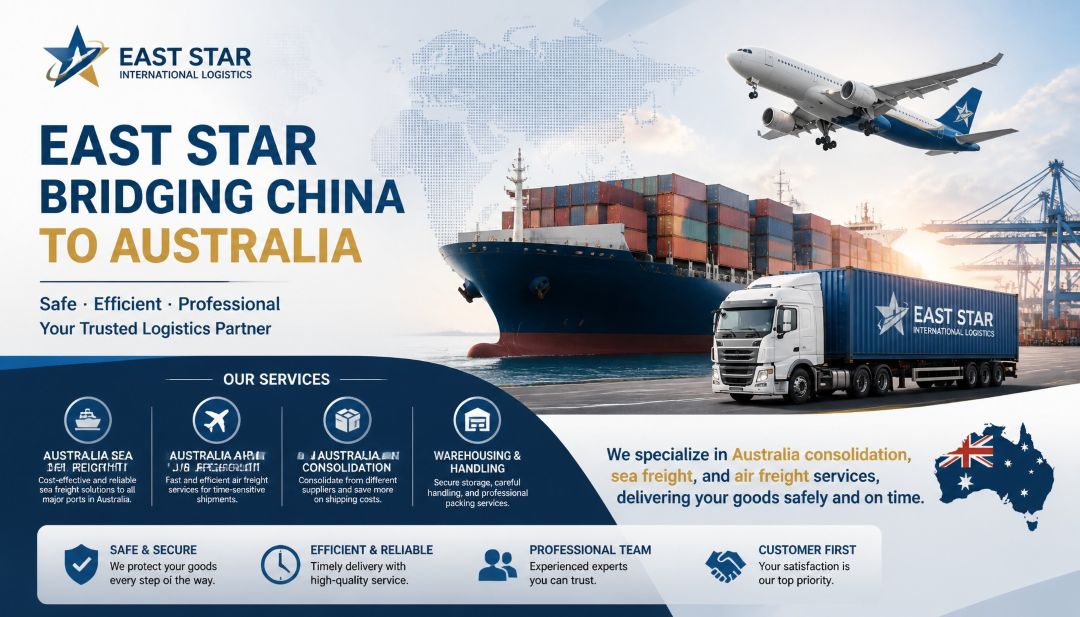
Australia consolidation shipping latest quotes, Australia consolidation shipping volume weight calculations, and sensitive goods shipping channels can be found by visiting the official website: https://www.dfxgjwl.cn, phone: + 86 - 18074611572. As a professional Australia consolidation shipping company, we offer one - stop logistics services, exclusive discounts for international students and overseas Chinese, and provide full - track logistics information, ensuring safety and peace of mind!