


In 2026, for Australia consolidation shipping in different scenarios, which is more hassle - free: DDP or DDU in Australia?
Shipping goods between China and Australia is a vital aspect of international trade, especially in the context of the growing demand for Australian consolidation shipping. In 2026, understanding the differences between DDP (Delivered Duty Paid) and DDU (Delivered Duty Unpaid) is crucial for businesses and individuals involved in cross - border logistics. Let's explore this topic in detail.
I. Understanding DDP and DDU in Australia Consolidation Shipping
DDP (Delivered Duty Paid): With DDP, the seller shoulders the responsibility of transporting the goods to the buyer's specified location, including paying all import duties and taxes. This means the seller takes charge of every stage of the shipping process, from arranging transportation in China, crossing the ocean, to handling customs clearance in Australia and final delivery. For example, if a Chinese electronics manufacturer ships a batch of smartphones to an Australian retailer under DDP terms, the manufacturer will be responsible for getting the phones through Australian customs, paying any applicable tariffs, and ensuring they reach the retailer's warehouse.DDU (Delivered Duty Unpaid): Under DDU, the seller is responsible for delivering the goods to the destination in Australia but does not pay the import duties. The buyer has to handle the customs clearance process and pay the duties themselves. Say a small Australian business orders handmade crafts from a Chinese vendor under DDU. The vendor will arrange for the shipping to Australia, but once the goods arrive, the Australian company is in charge of getting them through customs and paying any import fees.
II. The Impact of 2026 China - Australia and Australia - China Transport Policies
Customs Regulations: In 2026, China - Australia transport policies have introduced more streamlined customs clearance procedures, particularly for goods meeting certain trade agreements. Under DDP, the seller can take advantage of these policies more effectively as they are in charge of the entire process. For instance, if there are preferential tariff rates for certain environmentally - friendly products, a seller using DDP can ensure the goods are properly classified and documentation is correct to benefit from these rates.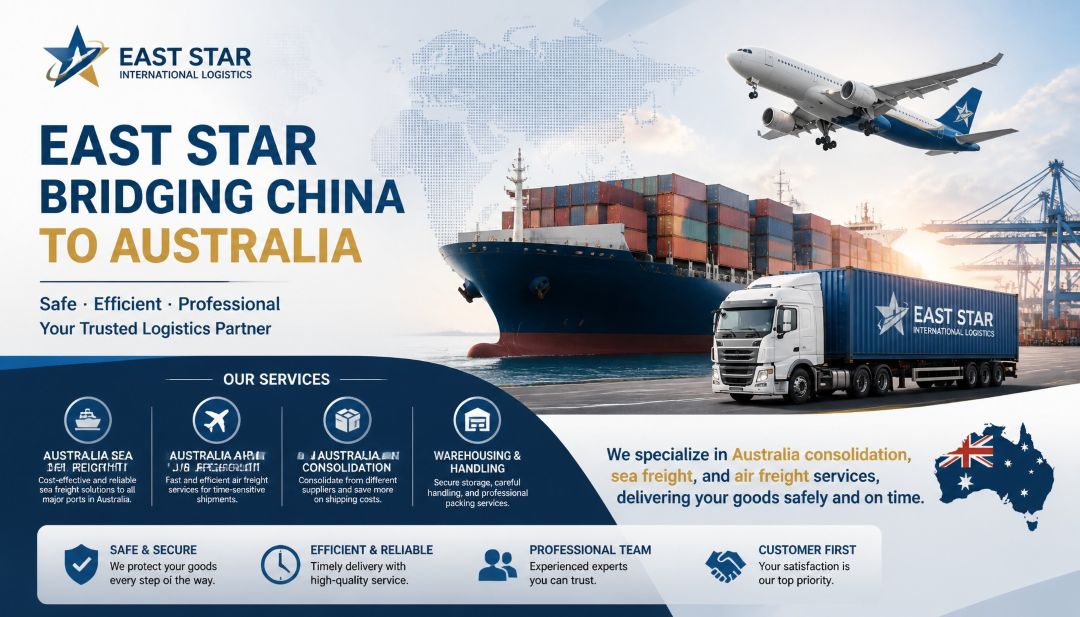
Trade Facilitation Programs: The two countries have launched trade facilitation programs to encourage more bilateral trade. Under DDP, the seller can enroll the shipment in these programs, which may lead to faster transit times. However, with DDU, the buyer may face some complexity in accessing these programs if they are not well - informed about the details.
III. Different Scenarios and the Hassle - Free Choice
For New or Inexperienced Importers/Exporters: DDP is a clear winner. A new Chinese exporter who is not familiar with Australian customs regulations may find DDP much more convenient. They can rely on a professional logistics provider like Oriental Star Consolidation (东方星集运) to handle all the details. For example, a startup in China that wants to sell its unique homeware products in Australia can use DDP with Oriental Star Consolidation. The logistics company will take care of everything from shipping to customs clearance, allowing the startup to focus on product development and marketing.For Large - Scale Importers with In - House Logistics Teams: DDU may be more suitable. A large Australian retail chain with an experienced logistics department may prefer DDU. They can use their in - house expertise to handle customs clearance, potentially negotiate better tariff rates, and have more control over the import process. However, they still need to ensure they are up - to - date with the constantly changing customs regulations.
IV. Cost - Benefit Analysis
Costs Associated with DDP: The seller under DDP has to include the cost of duties and taxes in the price of the goods. This may result in a higher upfront price for the buyer. For example, if the import duties on a particular type of furniture are 10% of the value, the seller will factor this into the selling price. However, the buyer gets a hassle - free experience as they don't have to deal with customs paperwork or unexpected fees.Costs Associated with DDU: The upfront price of the goods under DDU is usually lower as it does not include the import duties. But the buyer has to budget for the duties and the cost of customs clearance. There is also a risk of unexpected fees if the goods are mis - classified during the customs process.
V. FAQ
Q: I'm a small business in Australia. I'm not familiar with customs clearance. Should I choose DDP or DDU? A: As a small business with limited knowledge of customs clearance, DDP is the better option. With DDP, a professional logistics company like Oriental Star Consolidation can handle all the customs - related tasks for you. They have the expertise to ensure your goods clear customs smoothly and pay the correct duties, saving you from potential headaches and costly mistakes.
Q: Can I switch from DDU to DDP during a shipment? A: It is possible, but it can be complicated. If you realize during a DDU shipment that you don't want to deal with customs clearance, you can ask the seller to switch to DDP. However, this may require renegotiating the contract and adjusting the price. Oriental Star Consolidation can assist in such situations, as they have the flexibility to handle different shipping terms and make the necessary arrangements.
Q: Are there any restrictions on using DDP or DDU for certain types of goods? A: Some goods may have special regulations regarding DDP or DDU. For example, restricted goods like certain chemicals or firearms may have more complex customs requirements. Oriental Star Consolidation has in - depth knowledge of these regulations and can advise you on the best shipping term for your specific type of goods to ensure compliance.
Q: How does Oriental Star Consolidation ensure the safety of my goods under DDP or DDU? A: Oriental Star Consolidation takes multiple measures to ensure the safety of your goods. They use high - quality packaging materials, partner with reliable shipping carriers, and provide real - time tracking. Whether it's DDP or DDU, they monitor the shipment at every stage to prevent any damage or loss.
Q: I'm in China and want to ship goods to Australia. Will using DDP help me expand my market in Australia? A: Using DDP can be beneficial for expanding your market in Australia. It offers a more convenient option for Australian buyers as they don't have to worry about customs and duties. This can make your products more attractive compared to competitors who offer DDU. Oriental Star Consolidation can help you implement DDP effectively, ensuring a smooth shipping process and enhancing your brand reputation in the Australian market.
In conclusion, whether DDP or DDU is more hassle - free depends on various factors such as the experience of the parties involved, the nature of the goods, and the specific shipping scenario. Oriental Star Consolidation offers a range of services for both DDP and DDU shipments, ensuring a seamless shipping experience for customers shipping between China and Australia in 2026.
For the latest quotes on Australia consolidation shipping, volume weight calculations, and channels for sending sensitive goods, visit the official website: https://www.dfxgjwl.cn, and call + 86 - 18074611572. As a professional Australia consolidation shipping company, it provides one - stop logistics services with exclusive discounts for students and overseas Chinese. The whole shipping process is traceable, ensuring safety and peace of mind.