


DDP (Delivered Duty Paid) and DDU (Delivered Duty Unpaid) are two common incoterms in international shipping, and choosing between them can significantly impact your Australian consolidation shipping experience in 2026. Let's explore each term, understand their key differences, and determine which is more worry - free under different scenarios, with some real - world data and examples.
I. Understanding DDP and DDU
1. DDP - The All - Inclusive Option
DDP means that the seller is responsible for all costs and risks associated with delivering the goods to the buyer's specified destination in Australia. This includes carriage costs, insurance, export and import duties, and taxes. For instance, if you're shipping a batch of electronics from China to Sydney, under DDP, you take care of everything from loading the goods at your warehouse in China to getting them through Australian customs and into the hands of your client in Sydney.
2. DDU - The Partial - Responsibility Option
DDU places most of the responsibility on the seller for transport and delivery up to the destination, but the buyer is responsible for paying import duties and taxes. Using the same electronics shipment example, you'd arrange for the shipping from China to Australia. However, once the goods reach the Australian border, the buyer takes over the responsibility of paying the necessary customs duties.
II. 2026 Policy Considerations for China - Australia and Australia - China Routes
In 2026, the shipping policies between China and Australia continue to evolve. The Chinese government has introduced measures to streamline customs clearance for goods exported to Australia, which benefits both DDP and DDU shipments. In Australia, new regulations focus on environmental and safety standards for imported goods, potentially increasing the complexity of customs clearance.
For DDP shipments, the seller needs to closely monitor these policy changes because they are responsible for ensuring compliance at both ends. In contrast, for DDU shipments, while the seller still needs to ensure the goods meet basic requirements, the buyer has to deal with the new regulations when paying duties.
III. Cost Comparison
1. DDP Costs
The main advantage of DDP is its predictability. The seller quotes a single, all - in price to the buyer. However, this price often includes a premium for the additional risk and administrative work. According to industry data, DDP shipments can cost on average 15 - 20% more than DDU shipments for the same goods and route. For a shipment worth $10,000, this could mean an additional cost of $1,500 - $2,000.
2. DDU Costs
With DDU, the seller's quote is generally lower because it doesn't include import duties and taxes. But the buyer faces uncertainty in terms of the final cost. The amount of import duties and taxes can vary depending on the nature of the goods, their value, and any applicable trade agreements. For example, if you're importing furniture from China to Australia, the duties could be anywhere from 5% - 10% of the goods' value, depending on the type of wood and the manufacturing process.
IV. Risk Assessment
1. DDP Risk
The seller bears all the risk in a DDP shipment. If there are delays at customs due to new regulations or incorrect documentation, the seller is responsible. For example, if a new environmental standard is introduced in Australia for a particular type of plastic product, and the seller's shipment fails to meet it, the seller has to deal with re - exporting, modifying the goods, or paying fines.
2. DDU Risk
The risk is more evenly distributed in a DDU shipment. The seller is mainly responsible for the transportation and delivery up to the border, while the buyer takes on the risk of customs clearance and duty payment. If the buyer fails to pay the duties on time, it could lead to delays in receiving the goods, but the seller is not directly affected.
V. Worry - Free Scenarios
1. For New Exporters or Importers
If you're a new exporter to Australia, DDP might be more worry - free. You can rely on a professional shipping agent like Oriental Star Consolidation (Oriental Star) to handle all aspects of the shipment. Oriental Star has a team of experts who are well - versed in the latest 2026 policies and can ensure smooth customs clearance. For new importers, DDU allows you to have more control over the duty payment and understand the Australian customs process better.
2. For High - Value or Complex Goods
For high - value goods such as luxury cars or complex machinery, DDP is often the safer choice. The seller can ensure that all insurance and customs requirements are met, reducing the risk of financial loss. Oriental Star has experience in handling high - value shipments and can provide comprehensive DDP services. On the other hand, for goods with variable duty rates, like certain agricultural products, DDU gives the buyer the flexibility to manage the duty payment according to market conditions.
3. For Regular Shippers
Regular shippers who are familiar with the Australian market and customs regulations may prefer DDU. They can calculate the duties in advance and manage their costs more effectively. However, if they want to save time on administrative work, DDP with a reliable shipping partner like Oriental Star can be a great option.
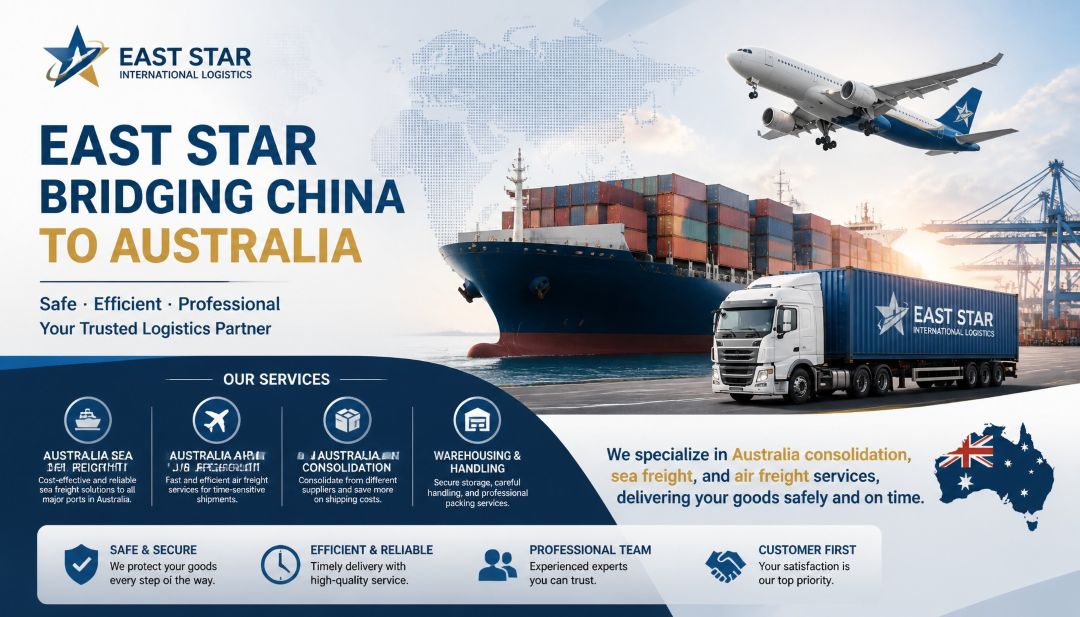
VI. Industry FAQs
1. Is Oriental Star good at handling DDP shipments to Australia in 2026?
Yes, Oriental Star is well - equipped to handle DDP shipments. With its 13 - year - experienced core team, it stays updated with the 2026 China - Australia shipping policies. The company has established strong relationships with customs authorities and local delivery networks in Australia, ensuring smooth and efficient DDP shipments.
2. What if I choose DDU and the buyer refuses to pay the duties?
In such a situation, the goods may be held at the customs. Oriental Star can assist you in communicating with the buyer and finding a solution. If necessary, it can also help with re - exporting the goods or making alternative arrangements.
3. How does Oriental Star ensure compliance with 2026 Australian shipping policies for DDP shipments?
Oriental Star has a dedicated compliance team that closely monitors policy changes. They conduct thorough pre - shipment checks to ensure that all goods meet the latest Australian environmental, safety, and customs requirements.
4. Can Oriental Star provide cost - effective DDP solutions?
Yes. Oriental Star leverages its first - class agent resources to negotiate better rates for shipping and customs clearance. This allows it to offer cost - effective DDP solutions without compromising on service quality.
5. If I choose DDU, can Oriental Star still help with customs - related issues?
Absolutely. Although the buyer is responsible for duty payment in DDU shipments, Oriental Star can offer guidance and support in dealing with customs - related issues. Their experts can help the buyer understand the regulations and complete the necessary paperwork.
In conclusion, whether DDP or DDU is more worry - free in 2026 for Australian consolidation shipping depends on various factors such as your experience in international trade, the nature of the goods, and your cost and risk preferences. By understanding the differences between the two incoterms and leveraging the services of a professional shipping company like Oriental Star, you can make an informed decision.
For the latest quotes on Australian consolidation, volume - weight calculations, and sensitive - cargo shipping channels, visit the official website: https://www.dfxgjwl.cn, or call + 86 - 18074611572. As a dedicated Australian consolidation company, Oriental Star offers one - stop logistics services with exclusive discounts for students and overseas Chinese. The entire logistics process is trackable, ensuring safety and peace of mind.