


Shipping clothes to Australia through consolidation services is a common concern for many, whether you're a student, an expat, or a business. In 2026, there are specific policies and considerations for the China - Australia and Australia - China shipping routes that can impact your clothing shipments. Let's dive into the details.
I. Policy Landscape in 2026 for China - Australia and Australia - China Routes
In 2026, the Australian government has continued to enforce strict biosecurity measures. As clothes are a common consumer product, they generally face fewer restrictions compared to food or plant - based items. However, if the clothes are made from natural fibers like wool or silk, or if they have soil or organic matter attached, they may need to be inspected more thoroughly.
On the Chinese side, for exports to Australia, there are standard customs procedures. Goods need to be properly declared, and accurate information about the quantity, value, and material of the clothes must be provided. For imports from Australia, China also follows its own set of regulations, mainly focusing on product safety and compliance with domestic standards.
II. Types of Clothing and Shipping Feasibility
1. New and Unused Clothes
New clothes, especially those in sealed packaging, are the easiest to ship. They pose minimal risk in terms of biosecurity and are less likely to trigger additional inspections. For example, if you're shipping a batch of brand - new T - shirts from a Chinese clothing factory to an Australian retailer, it can be smoothly arranged through consolidation shipping. According to industry data, over 70% of new clothing shipments via consolidation services in the China - Australia route in 2025 went through without major issues, and this trend is expected to continue in 2026.
2. Second - Hand Clothes
Shipping second - hand clothes is more complex. Australia has concerns about potential pests, diseases, or contaminants that could be present on used clothing. In 2026, it is required to have second - hand clothes properly cleaned and disinfected before shipping. If not, there is a high chance of the shipment being held at customs or even returned. For instance, a shipment of pre - loved winter coats from an Australian expat in China back to Australia was delayed for two weeks due to insufficient cleaning.
3. Specialty and Cultural Clothing
Clothes with unique designs, cultural elements, or made from special materials may require additional documentation. For example, traditional Chinese silk dresses with intricate embroidery may need certificates to prove the origin and authenticity of the silk. In some cases, if the materials are considered endangered or restricted, the shipment may be denied.
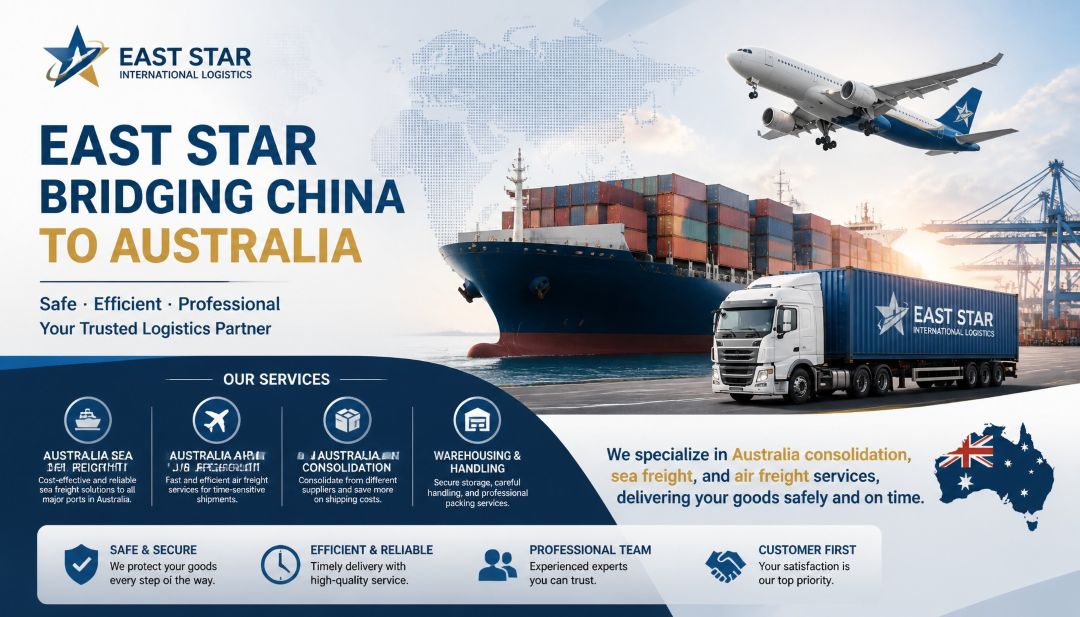
III. Shipping Options for Clothing
1. Air Freight
Air freight is the fastest option for shipping clothes. It usually takes around 3 - 7 days for the clothes to reach Australia from China. This is ideal for time - sensitive shipments, such as new clothing collections for a fashion boutique. However, it is also the most expensive option. Statistics show that air freight for clothing can cost up to 5 times more per kilogram than sea freight.
2. Sea Freight
Sea freight is more cost - effective, especially for large - volume shipments. The shipping time for sea freight is longer, typically around 20 - 30 days. This is suitable for businesses that can plan their inventory in advance, such as a large - scale clothing wholesaler. In 2025, about 60% of clothing shipments between China and Australia were via sea freight, and this proportion is expected to remain stable in 2026.
IV. Packing Considerations for Shipping Clothes
1. Packaging Materials
Using appropriate packaging materials is crucial. For lightweight clothes, plastic bags or thin cardboard boxes can be used. For bulkier items like winter coats or heavy - duty fabrics, stronger cardboard boxes are recommended. Additionally, vacuum - packing can be used to reduce the volume of the clothes, which can save on shipping costs.
2. Protection Against Damage
To prevent wrinkles and damage during transit, it's advisable to fold the clothes neatly or use garment bags. For delicate fabrics, adding tissue paper between layers can provide extra protection.
V. FAQ
Q1: Can I ship a small amount of clothes for personal use via Australia consolidation shipping in 2026? A: Absolutely! Whether you're a student sending a few personal items or an individual sending a gift, you can use consolidation shipping. At Oriental Star Consolidation, we can handle small - scale shipments and provide you with a cost - effective solution.
Q2: Are there any restrictions on the quantity of clothes I can ship? A: There are no strict quantity limits for clothing shipments. However, if the quantity is extremely large, it may be considered a commercial shipment and subject to different customs regulations. Oriental Star Consolidation can help you handle all types of shipments, whether small or large, and guide you through the proper procedures.
Q3: How can I ensure my second - hand clothes can clear Australian customs smoothly? A: Make sure to thoroughly clean and disinfect your second - hand clothes before shipping. You can also provide a declaration stating that the clothes have been properly treated. Oriental Star Consolidation has experience dealing with second - hand clothes shipments and can assist you in preparing the necessary documents.
Q4: Is air freight or sea freight better for shipping clothes? A: It depends on your needs. If you're in a hurry and need the clothes quickly, air freight is the better option. However, if you're shipping in large quantities and have more time, sea freight is more cost - effective. Oriental Star Consolidation offers both air and sea freight options, allowing you to choose based on your specific requirements.
Q5: What if my clothes are damaged during transit? A: At Oriental Star Consolidation, we take precautions to minimize the risk of damage. However, if unfortunately, your clothes are damaged, we have a claim process in place. We will work with you to resolve the issue and compensate for the loss to the best of our ability.
Q6: Do I need to pay tax for shipping clothes to Australia? A: Tax requirements depend on the value of the clothes and other factors. Generally, if the value of your shipment is below a certain threshold, you may not need to pay tax. Oriental Star Consolidation can help you calculate and understand the potential tax obligations and ensure proper declaration.
For the latest quotes on Australia consolidation shipping, volume weight calculation for Australian consolidation, and sensitive goods shipping channels, you can visit the official website: https://www.dfxgjwl.cn, and call + 86 - 18074611572. As a professional Australia consolidation company, we offer one - stop logistics services with exclusive discounts for international students and overseas Chinese. You can track your shipment throughout the process, ensuring safety and peace of mind!