


Shipping goods between China and Australia is a significant aspect of international trade and personal logistics. In 2026, new policies and regulations govern the China - Australia and Australia - China shipping routes, which have an impact on the choice between DDP (Delivered Duty Paid) and DDU (Delivered Duty Unpaid) in Australian consolidation shipping. These policies aim to streamline customs clearance and ensure the smooth flow of goods across the border.
Let’s take a deep dive into different shipping scenarios to figure out which option is more hassle - free.
I. Understanding DDP and DDU in Australian Consolidation Shipping
1. DDP: A One - Stop Solution
DDP is like a full - service package. When you choose DDP for your Australian consolidation shipping, the shipper takes on almost all the responsibilities. They handle everything from the origin in China, including packing, shipping, customs clearance in both countries, and paying all the duties and taxes in Australia. It's as if you're getting a turn - key solution, and you don't have to worry about a thing once the goods are handed over to the shipper.
For example, a small Australian business importing a batch of handmade crafts from China via DDP doesn't have to deal with the complex customs procedures in Australia. The shipper takes care of calculating the correct duties, filing the necessary paperwork, and getting the goods through customs smoothly.
2. DDU: More Uncertainty but Potential Cost Savings
DDU, on the other hand, is a bit more of a do - it - yourself option. The shipper is responsible for delivering the goods to the destination in Australia, but the buyer has to handle the customs clearance and pay the duties and taxes. This can be a bit of a headache as customs requirements can be complex and unpredictable. However, it can also lead to cost savings as the buyer may be able to manage the customs process more cost - effectively in some cases.
A large Australian manufacturer importing raw materials from China via DDU might find that by handling customs clearance themselves, they can take advantage of certain tax - exemption policies, which could result in significant cost savings.
II. Personal Consolidation Shipping Scenarios
1. Shipping Personal Belongings
For individuals shipping personal belongings to Australia, DDP is often the hassle - free choice. Many people who are moving to Australia or sending personal gifts don't have the time or knowledge to deal with Australian customs. With DDP, they can relax knowing that the shipping company will handle all the formalities.
For instance, if an Australian expat living in China is moving back home and wants to ship their furniture, clothes, and other personal items, choosing DDP means they don't have to worry about understanding the Australian customs regulations regarding used goods. The shipper will ensure that everything is cleared smoothly.
2. Shipping Small Online Purchases
When it comes to small online purchases, DDP can also be a great option. Many online shoppers in Australia who buy from Chinese e - commerce platforms don't want to deal with the surprise of having to pay duties and go through customs clearance when their package arrives. With DDP, the cost of duties is included in the shipping cost, and the package is delivered straight to their door. For example, if someone in Australia buys a pair of shoes from a Chinese online store with DDP shipping, they just have to wait for the shoes to arrive, no additional hassle.
However, if a buyer wants to have more control over the customs process and is familiar with the regulations, DDU might be a consideration. For example, a collector who is importing a rare Chinese antique might want to handle customs clearance himself to ensure that the item is properly classified and taxed.
III. E - commerce Shipping Scenarios
1. High - Volume, Regular Shipments
For e - commerce businesses that have high - volume, regular shipments to Australia, DDP can simplify the process significantly. They don't have to deal with the administrative burden of customs clearance for each shipment. Instead, they can focus on their core business of selling products.
Take, for example, a large Chinese e - commerce company that sells electronics to Australian customers. By choosing DDP, they can ensure a consistent and hassle - free delivery experience for their customers. This can lead to higher customer satisfaction and more repeat business.
2. New or Small E - commerce Sellers
New or small e - commerce sellers might find DDU more appealing initially. Since they may have lower profit margins, they might want to avoid the higher upfront costs associated with DDP. However, they need to be aware that handling customs clearance in Australia can be a steep learning curve. They may need to invest time in understanding the regulations or hire a customs broker, which can also add to the cost.
For instance, a new Chinese seller of handmade jewelry might choose DDU at first to keep the shipping costs down. As their business grows and they encounter more customs - related issues, they might consider switching to DDP for a more hassle - free experience.
IV. Business - to - Business (B2B) Shipping Scenarios
1. Large - Scale Importers
Large - scale importers in Australia often prefer DDP. They have high - value shipments and strict delivery schedules. With DDP, the shipping company takes on the responsibility of ensuring that the goods are delivered on time and cleared through customs without any delays.
A large Australian car manufacturer that imports auto parts from China, for example, needs to have a reliable and seamless supply chain. By choosing DDP, they can ensure that the parts arrive on time, which is crucial for their production line.
2. Small - to - Medium - Sized Enterprises (SMEs)
SMEs may have different preferences based on their resources and experience. Some SMEs with limited knowledge of customs regulations may choose DDP to avoid potential customs - related problems. Others with more in - house expertise may opt for DDU to have more control over the cost of duties and taxes.
A small Australian furniture store that imports custom - made pieces from China might decide to use DDU if they have a knowledgeable logistics manager who can handle the customs process effectively. On the other hand, if they don't have such expertise, DDP would be the safer option.
V. 2026 China - Australia and Australia - China Shipping Route Policies Impact
In 2026, the new policies on the China - Australia and Australia - China shipping routes have made customs clearance more standardized. For DDP shipments, the shipping companies need to comply with more detailed regulations, which means they have to be more accurate in calculating duties and taxes. However, this also makes the process more reliable for customers.
For DDU shipments, buyers need to be more aware of the new policies. The Australian customs may conduct more thorough inspections, and there could be stricter penalties for non - compliance. This increases the importance of having a good understanding of the regulations if choosing DDU.
FAQ Section
Q1: As an individual, I'm shipping some personal items to Australia. I'm not familiar with customs. Should I choose DDP or DDU?
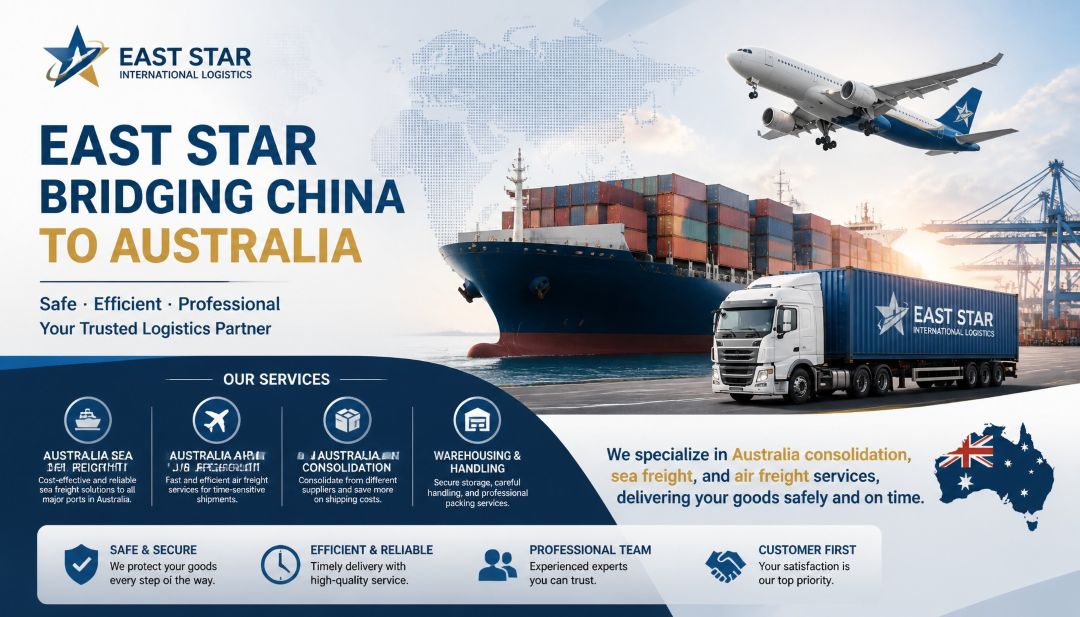
A: If you're not familiar with customs, DDP is definitely the way to go. It's hassle - free. At Eastern Star Shipping (Orient Star Consolidation), we take care of all the customs formalities, so you don't have to stress about a thing. We have the experience and resources to ensure your personal items are cleared smoothly in Australia.
Q2: I'm a small e - commerce seller. Will choosing DDP increase my shipping costs too much?
A: While DDP does have higher upfront costs as it includes duties and taxes, it can save you a lot of time and potential headaches. At Eastern Star Shipping, we work with a large network of carriers and partners, which allows us to offer competitive DDP rates. This way, you can enjoy the convenience of DDP without breaking the bank.
Q3: Can DDU shipments still be delivered on time with the new 2026 policies?
A: It's possible, but it depends on your ability to handle customs clearance efficiently. The new policies in 2026 involve more scrutiny. At Eastern Star Shipping, we can offer some guidance if you choose DDU. But for a more guaranteed on - time delivery, DDP might be a better option as we take full responsibility for the entire process.
Q4: I'm an SME importing high - value goods. Should I choose DDP or DDU?
A: For high - value goods, DDP is often a safer choice. There's less risk of goods being held up at customs due to incorrect documentation or unpaid duties. Eastern Star Shipping has a proven track record in handling DDP shipments of high - value goods. We ensure that your goods are delivered smoothly and securely.
Q5: Does Eastern Star Shipping cover all areas in Australia for both DDP and DDU shipments?
A: Yes, we do. We have a wide - reaching service area. Currently, our service covers about 95% of the deliverable postcode areas in Australia, including some remote areas. Whether you choose DDP or DDU, we can handle your shipment and get it to your destination in Australia.
Get the latest quotes for Australian consolidation shipping, calculate the volumetric weight, and explore sensitive goods shipping channels on the official website: https://www.dfxgjwl.cn. Call us at + 86 - 18074611572. As a professional Australian consolidation shipping company, we offer one - stop logistics services with exclusive discounts for international students and overseas Chinese. You can track your shipment throughout the process, ensuring a safe and worry - free experience!