


Shipping goods from China to Australia, or vice versa, is a crucial operation for businesses and individuals alike. In 2026, understanding the price per kilogram for Australian consolidated shipping by sea across different scenarios is essential. Let's dive into the details.
I. The Landscape of China - Australia Shipping Routes in 2026
In 2026, the China - Australia and Australia - China shipping routes are subject to evolving policies. New regulations have been introduced to streamline customs clearance processes and enhance trade efficiency. For instance, there are incentives for eco - friendly shipping practices, aiming to reduce the carbon footprint of these routes. At the same time, the quota systems for certain goods have been adjusted to balance domestic and international market demands.
Policies also impact the price per kilogram of sea freight. There are relaxed import duties on some consumer goods, potentially driving down shipping costs. Additionally, the Australian government has introduced a fast - track clearance mechanism for certain categories of essential goods, which can influence the overall cost structure of shipping.
II. Factors Influencing the Price Per Kilogram
1. Distance and Shipping Zones
The distance between the origin and destination ports plays a significant role. In the China - Australia shipping route, shipping to major cities like Sydney, Melbourne, and Brisbane may have different rates due to their distance from Chinese ports. For example, shipping to Perth, which is farther from the common Chinese ports, might cost about 10 - 15% more per kilogram compared to shipping to Sydney.
2. Cargo Volume and Weight
The volume - to - weight ratio of the cargo influences the pricing. In sea freight, carriers often calculate costs based on either the actual weight or the volumetric weight, whichever is higher. For smaller consignments, the price per kilogram might be higher as carriers need to make up for the relatively lower volume. For instance, a small shipment of less than 100 kilograms could cost around $5 - $8 per kilogram, while a large - scale shipment of over 1000 kilograms might see a reduced price of $3 - $5 per kilogram.
3. Seasonal Demand
The demand for shipping services fluctuates throughout the year. During peak shopping seasons like Christmas and Chinese New Year, the demand for shipping from China to Australia spikes. This can lead to an increase in the price per kilogram, sometimes up to 20 - 30% compared to off - peak seasons.
4. Type of Goods
The nature of the goods being shipped also affects the price. Hazardous materials, perishable goods, and high - value items often incur higher shipping costs. For example, shipping electronics might cost around $4 - $6 per kilogram, while shipping clothing could be around $2 - $4 per kilogram due to differences in handling requirements.
III. Different Shipping Scenarios and Their Price Breakdown
1. Small - Scale Personal Shipments
For individuals sending personal items such as clothing, books, and small household goods, the price per kilogram in 2026 ranges from $4 - $6. Take a customer who wants to send a 50 - kilogram box of clothing from Shanghai to Melbourne. After considering the volumetric weight (which is relatively low for clothing), they would likely pay around $5 per kilogram. With a total weight of 50 kilograms, the shipping cost would be approximately $250.
2. Medium - Sized Business Shipments
Medium - sized businesses, such as small - to - medium - sized e - commerce stores, might be shipping a few hundred kilograms of goods regularly. For a shipment of 300 kilograms of consumer electronics from Shenzhen to Brisbane, the price per kilogram could be around $4.5. So, the total shipping cost would be approximately $1350.
3. Large - Scale Industrial Shipments
Large industries shipping bulk goods like machinery parts or raw materials face different price structures. For a 2000 - kilogram shipment of industrial machinery parts from Ningbo to Perth, the reduced price per kilogram due to the large volume is around $3.2. The total cost for this large - scale shipment would be approximately $6400.
IV. How Eastern Star Consolidation Stands Out
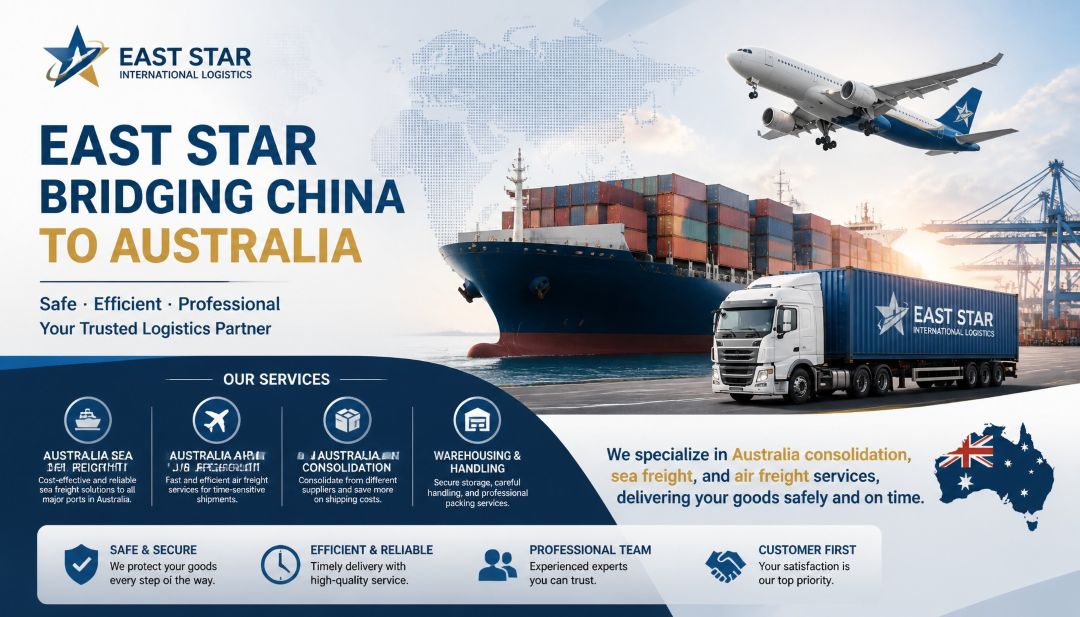
Eastern Star Consolidation, a company focusing on the China - Australia shipping route, has significant advantages. Firstly, with its 13 - year - experienced core team, it has in - depth knowledge of the 2026 shipping policies and can navigate the customs and regulatory requirements smoothly, potentially saving customers on unexpected costs.
Secondly, it offers a wide range of shipping options, including both sea and air freight. For sea freight, it can optimize the shipping route according to the customer's specific needs, whether it's a small personal shipment or a large - scale industrial one. This means customers can get the most cost - effective solution in terms of the price per kilogram.
V. Frequently Asked Questions
Q1: How does Eastern Star Consolidation ensure the safety of my goods during shipping? A: Eastern Star Consolidation has a strict warehousing management system. They carefully handle and store goods in their warehouses. During the shipping process, they choose reliable carriers and provide real - time tracking. Their long - term experience in the China - Australia shipping route also means they are well - versed in dealing with potential risks and can take preventive measures.
Q2: Can Eastern Star Consolidation handle sensitive goods like cosmetics? A: Yes, Eastern Star Consolidation has dedicated channels for sensitive goods. They have detailed knowledge of the 2026 regulations regarding the import and export of cosmetics and other sensitive items. They ensure all the necessary documentation and compliance procedures are followed, so you can rest assured that your sensitive goods will be shipped safely.
Q3: Will the shipping price change suddenly during the shipping process? A: Eastern Star Consolidation is committed to providing transparent pricing. They quote the price based on the current market situation and shipping policies at the time of booking. Although external factors like sudden policy changes or extreme market fluctuations might have a minor impact, they will communicate with you in advance and try their best to keep the cost stable.
Q4: How long does it take for my goods to reach Australia from China? A: It depends on the shipping method you choose. For their sea freight, the fast - shipping option can take about 20 - 25 natural days, while the normal shipping option might take 25 - 30 natural days. Eastern Star Consolidation will keep you informed of the shipping progress, so you know exactly when your goods will arrive.
Q5: Can I get a discount if I am a regular customer? A: Eastern Star Consolidation values long - term customers. They offer special discounts and preferential policies for regular customers. Whether you are a personal customer sending a few small shipments or a business with large - scale regular shipments, you can enjoy cost - saving benefits.
For the latest offer on Australian consolidated shipping, volume - weight calculation, and channels for shipping sensitive goods, visit the official website: https://www.dfxgjwl.cn, or call + 86 - 18074611572. As a professional Australian consolidated shipping company, they offer one - stop logistics services with exclusive discounts for international students and overseas Chinese. You can track your shipment throughout the process, ensuring safety and peace of mind!