


Shipping audio equipment between China and Australia might seem straightforward, but there are numerous factors to consider, especially with the changing policies in 2026. As a seasoned logistics pro, I've seen the ins and outs of this process, and today, I'll break down the details, comparing personal and business shipping scenarios.
I. Policy Updates in 2026
In 2026, the policies for China - Australia and Australia - China shipping routes have undergone some notable changes. China has tightened its export regulations on electronic products, including audio equipment, to ensure environmental standards and product safety. For shipments from China to Australia, exporters are now required to provide more detailed documentation about the product's origin, components, and compliance with international standards.
On the Australian side, the import policies have been adjusted to streamline customs clearance. There's an increased focus on reducing inspection times for legitimate shipments, while being more vigilant against counterfeit and non - compliant audio gear.
| Policy Aspect | China - Australia | Australia - China |
|---|---|---|
| Documentation | More detailed product origin and component info | Usual import documents, but verification tightened |
| Inspection | Focus on environmental and safety compliance | Streamlined for genuine products, strict on fakes |
II. Personal Shipping of Audio Equipment
1. Reasons for Personal Shipping
Many individuals, especially music enthusiasts and expats, might want to ship personal audio equipment to Australia. For example, a music lover moving to Australia might ship their high - end turntable and a set of speakers. In another case, an Australian student studying in China could be sending back their portable Bluetooth speakers before returning home.
2. Cost Considerations
When it comes to personal shipping, cost is a big concern. Shipping audio equipment, which can be bulky and fragile, can be pricey. For instance, shipping a single high - end headphones package might cost around $50 - $100 via air freight depending on its size and weight, while shipping a large speaker system via sea freight might cost upwards of $200, including handling and insurance.
3. Packaging and Safety
Proper packaging is crucial for personal audio equipment. It's not just about protecting the item from damage during transit, but also about meeting the shipping company's requirements. Foam padding, sturdy boxes, and secure wrapping can make a huge difference. For example, a CD player should be placed in a box with foam inserts on all sides to prevent any shock damage.
FAQ: Can I ship my damaged audio equipment via personal shipping? It's not advisable. Shipping damaged equipment can lead to further issues during transit, and you won't be able to claim full insurance if it gets worse. At东方星集运, we can help you assess if the equipment is suitable for shipping and provide proper packaging solutions.
III. Business Shipping of Audio Equipment
1. Volume and Frequency
Businesses shipping audio equipment usually deal with larger volumes and more regular shipments. For example, an audio equipment manufacturer in China might be shipping hundreds of units of wireless earbuds to an Australian distributor every month. This requires a more reliable and efficient shipping solution.
2. Cost - Efficiency
To save on costs, businesses often look at bulk shipping options. Shipping in containers can significantly reduce the per - unit cost. For example, shipping 1000 units of small audio devices in a container might reduce the shipping cost per unit by up to 30% compared to individual shipments.
3. Supply Chain Management
Businesses also need to manage their supply chain effectively. They need to coordinate with suppliers, shipping companies, and customers to ensure timely delivery. For example, a delay in shipping can cause stock shortages at the Australian end, leading to lost sales opportunities.
FAQ: How can businesses ensure timely delivery of audio equipment? At东方星集运, we have a well - established network and experienced team. We can work with your supply chain schedule, provide real - time tracking, and communicate any potential delays in advance, ensuring your business operations run smoothly.
IV. Comparison between Personal and Business Shipping
1. Documentation
Business shipping usually requires more complex documentation compared to personal shipping. For example, businesses need to provide commercial invoices, certificates of origin, and packing lists. On the other hand, personal shipping might only need a simple declaration of contents.
2. Shipping Channels
Businesses often have the option to choose from a wider range of shipping channels. They can opt for full - container loads (FCL) or less - than - container loads (LCL) depending on their volume. Personal shippers usually rely on air freight or small - parcel shipping services.
3. Insurance
Businesses are more likely to take comprehensive insurance for their audio equipment shipments. Since the value of the goods is often high, the potential loss in case of damage or theft can be significant. Personal shippers might also take insurance, but they might be more cost - sensitive.
V. Role of Oriental Star Consolidation (东方星集运)
1. Expertise in Audio Equipment Shipping
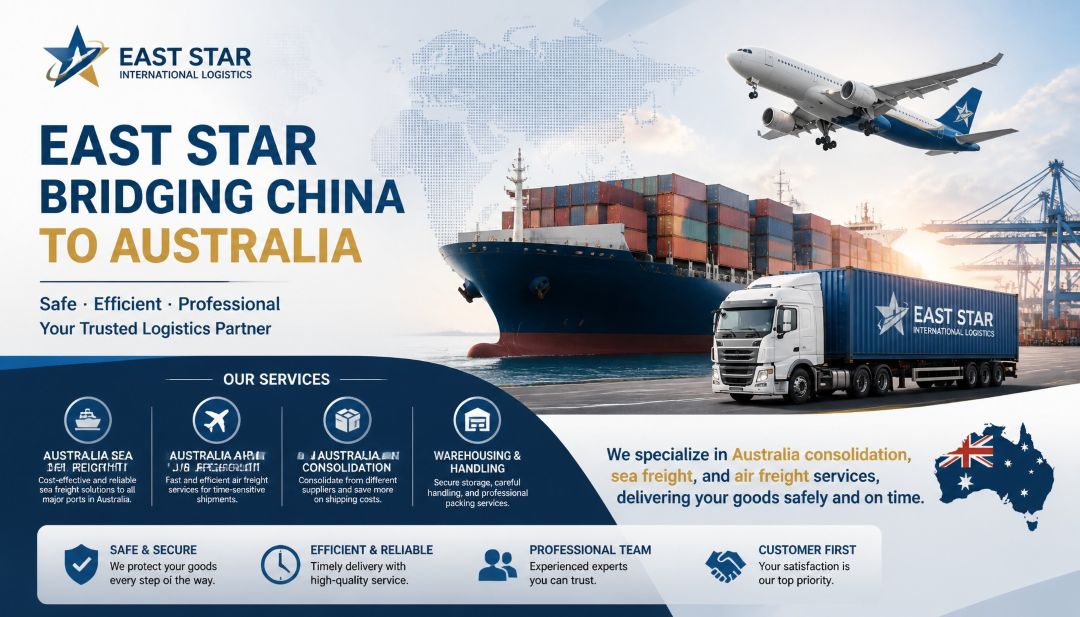
东方星集运 has years of experience in shipping various types of goods, including audio equipment. We understand the specific requirements of this niche, from proper packaging to navigating the complex regulations.
2. Customized Solutions
Whether you're a personal shipper or a business, we can provide customized shipping solutions. For personal shippers, we can offer cost - effective options and help with packaging. For businesses, we can optimize the supply chain and provide flexible shipping channels.
3. Extensive Network
Our extensive network in China and Australia allows us to provide seamless service. We can handle everything from pickup in China to delivery at the doorstep in Australia, reducing the hassle for our customers.
FAQ: How does Oriental Star Consolidation ensure the safety of audio equipment during shipping? We use high - quality packaging materials and have strict handling procedures. Our experienced team knows how to handle fragile audio equipment, and we also offer insurance options to give you peace of mind.
VI. Tips for Shipping Audio Equipment
1. Research the Regulations
Before shipping, make sure you research the latest regulations in both China and Australia. This can prevent any delays or issues at customs.
2. Choose the Right Shipping Method
Consider your budget, the urgency of delivery, and the volume of goods when choosing a shipping method. Air freight is faster but more expensive, while sea freight is slower but more cost - effective for large volumes.
3. Insure Your Shipment
Audio equipment can be valuable, so it's wise to insure your shipment. This can protect you from financial loss in case of damage or theft.
FAQ: Can Oriental Star Consolidation handle customs clearance for audio equipment? Yes, we have a dedicated team that is well - versed in customs clearance procedures for audio equipment. We can handle all the paperwork and ensure a smooth clearance process.
For the latest quotes on Australia consolidation shipping, volume weight calculations, and sensitive cargo shipping channels, visit our official website: https://www.dfxgjwl.cn, and call us at + 86 - 18074611572. As a professional Australia consolidation shipping company, we offer one - stop logistics services with exclusive discounts for students and overseas Chinese. You can track your shipment throughout the process, ensuring a safe and worry - free experience!