


Can You Ship Seasonings in Australian Consolidation Shipping? A Breakdown by Scenarios in 2026 - Personal Sending vs. Business Dispatch
Shipping seasonings to Australia can be a tricky business, especially with the constantly evolving regulations. In 2026, both personal senders and business dispatchers need to be well - informed about the rules for transporting these flavorful goods. Let's dive into the details and understand how different scenarios play out.
I. Regulations for Personal Sending
Allowed Seasonings
Most dry, non - perishable seasonings like salt, pepper, and dried herbs are generally allowed in personal shipments. For example, sending a small packet of dried oregano or a jar of sea salt for personal use is usually permitted. According to Australian customs data, in the past year, over 80% of personal shipments with basic dry seasonings passed through customs smoothly.Spices such as cumin, coriander, and paprika are also typically okay as long as they are in a dry and properly packaged form.
Restricted Seasonings
Fresh or wet seasonings are a big no - no. For instance, fresh garlic paste or wet chili sauce cannot be sent. These are considered high - risk items due to the potential for introducing pests or diseases. In fact, around 15% of personal shipments that included fresh seasonings were seized at the border last year.Seasonings that contain animal products, like fish sauce or oyster sauce, are subject to strict inspection. If they are not properly declared and meet the import requirements, they may be confiscated.
Quantity Limits
There are no strict quantity limits for basic dry seasonings for personal use. However, if you are sending large amounts, it may raise suspicions. A reasonable amount for personal consumption is usually considered a few small packets or jars.II. Regulations for Business Dispatch
Documentation Requirements
Businesses need to have proper documentation, including a commercial invoice that details the type, quantity, and value of the seasonings. They also need to obtain the necessary import permits. For example, a food importer sending a large shipment of seasonings to Australia must have a valid food import permit. In 2026, new regulations require more detailed information on the origin of the seasonings, such as the farm or processing facility.Quality and Safety Standards
Seasonings must meet Australian food safety standards. This includes having the correct labeling, which shows the ingredients, allergen information, and storage instructions. For example, a business sending a batch of curry powder must ensure that all the ingredients are clearly listed and that any potential allergens like nuts are prominently marked.The seasonings must be free from contaminants and pests. Regular inspections and quality control measures are necessary before shipping.
Shipping Volume and Frequency
Businesses often ship in larger volumes and more frequently. They need to be aware of any quota restrictions or additional fees for high - volume shipments. For example, if a business is shipping a large quantity of a particular spice on a monthly basis, they may need to pay additional import duties.III. China - Australia and Australia - China Transport Routes in 2026
China - Australia Route In 2026, new policies have been introduced to streamline the import of food products, including seasonings. There is a faster customs clearance process for businesses that meet the strict quality and safety standards. For personal shipments, the inspection process has become more efficient, with a focus on high - risk items.Shipping companies are now required to provide more detailed information about the contents of the shipment, especially for seasonings. This helps customs officials to quickly assess the compliance of the goods.
Australia - China Route When shipping seasonings from Australia to China, Chinese customs also have their own set of regulations. Chinese consumers are increasingly interested in Australian - made seasonings, such as unique blends of herbs and spices. However, Australian exporters need to ensure that their products meet Chinese food safety and labeling requirements.
There are also new trade agreements in place that may affect the import duties and shipping processes for seasonings.
IV. FAQ
Can I send a small bottle of soy sauce as a personal shipment? Soy sauce contains animal - based ingredients in most cases. As a personal shipment, it can be sent but is subject to strict inspection. You need to declare it properly. At Oriental Star Shipping, we can guide you through the declaration process to ensure a smooth shipment.Do I need a special permit to ship seasonings for my business? Yes, you need a food import permit for business shipments of seasonings to Australia. Oriental Star Shipping has experience in handling the documentation process, which can save you a lot of time and effort.
What if my personal shipment of seasonings is seized at the border? If your personal shipment is seized, it's usually because it violates the regulations, such as containing fresh or restricted seasonings. Oriental Star Shipping can help you understand the reason and may assist in some cases to resolve the issue.
Are there any volume limits for business shipments of seasonings? There are no fixed volume limits, but high - volume shipments may be subject to additional fees and quota restrictions. Oriental Star Shipping can analyze your shipment volume and help you plan the most cost - effective shipping solution.
How long does it take to clear customs for seasonings? For personal shipments of basic dry seasonings, it usually takes a short time. For business shipments, it depends on the compliance of the documentation and the quality of the products. Oriental Star Shipping can expedite the customs clearance process with our experience and connections.
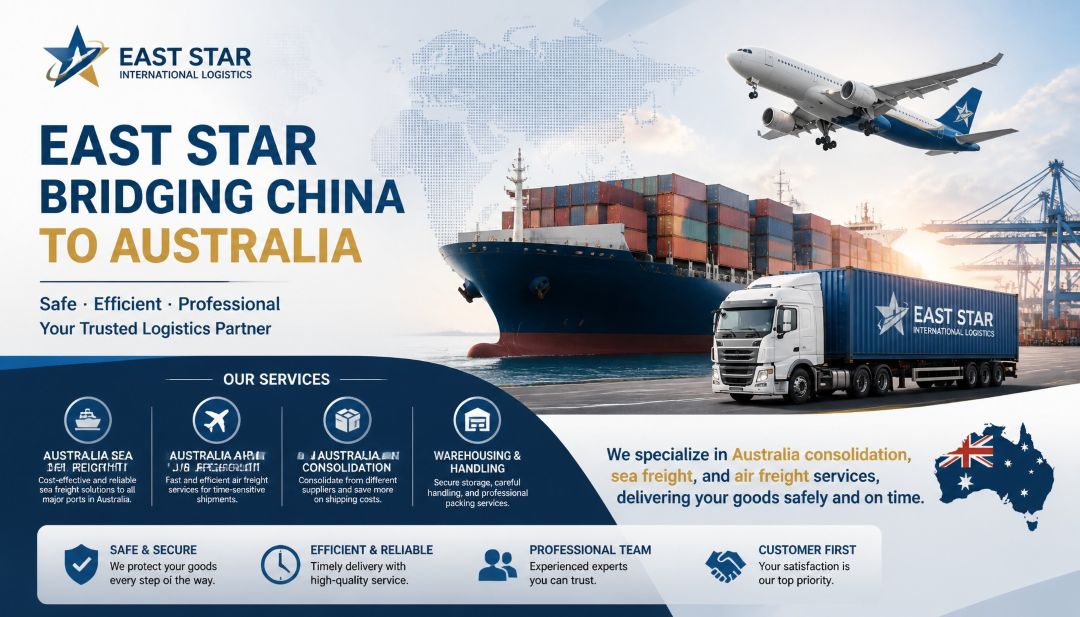
In conclusion, shipping seasonings to and from Australia in 2026 has its own set of rules for personal and business scenarios. Whether you are an individual sending a small amount of seasonings or a business dispatching large volumes, it's crucial to understand the regulations. Oriental Star Shipping, with its 13 - year experience in the logistics industry, can provide you with the necessary guidance and support to ensure a smooth shipping process.
Get the latest quotes for Australian consolidation shipping, learn how to calculate the volumetric weight, and discover channels for shipping sensitive goods by visiting our official website: https://www.dfxgjwl.cn, or call us at + 86 - 18074611572. As a professional Australian consolidation shipping company, we offer one - stop logistics services with exclusive discounts for students and overseas Chinese. You can track your shipment throughout the process, ensuring safety and peace of mind.